


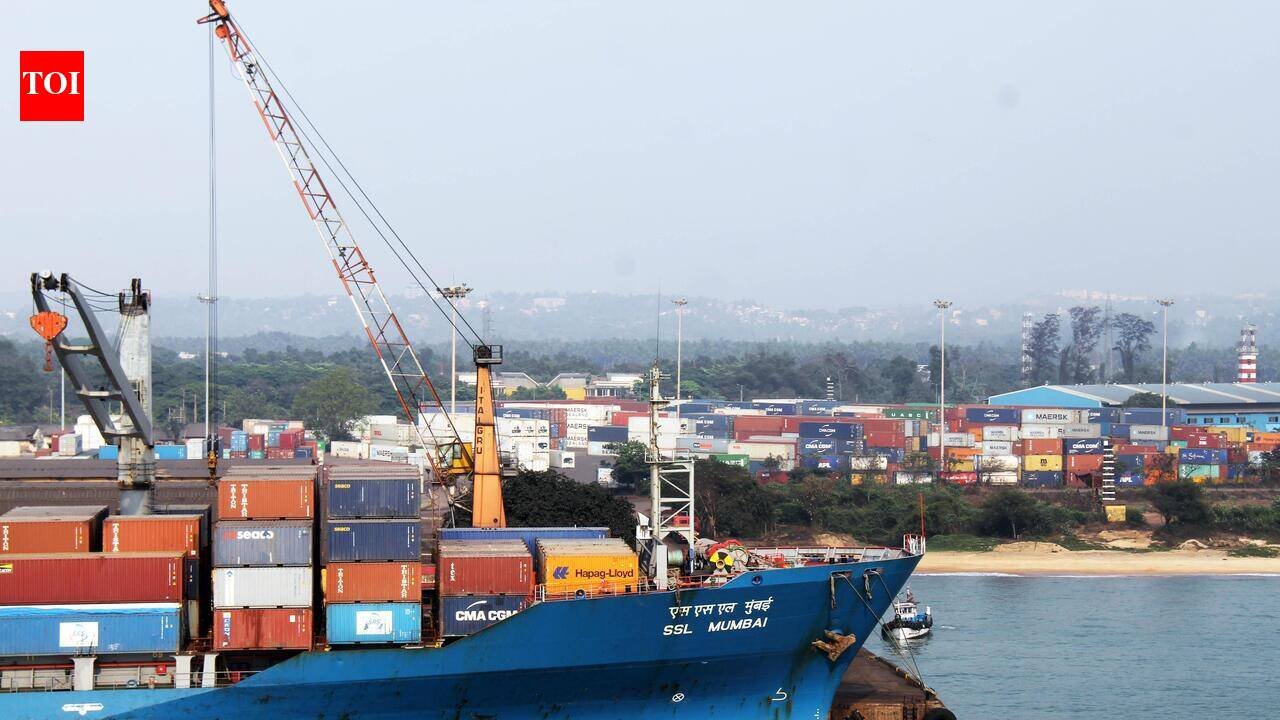
Mangaluru: Surging global ocean freight charges amid tensions in West Asia is impacting importers and exporters in the city, particularly those in the timber, cashew, and fishing sectors.Vinod Bhai Patel, the president, Karnataka Timber Importers Association, said rising freight rates, shipment delays, and a stronger US dollar have significantly affected timber imports. A container that used to cost around $1,000 now costs between $1,400 and $1,600.Additional war-related surcharges and higher oil prices have further pushed up costs. Imports have reportedly declined by around 40% compared with last year because of higher costs and delay, he said.Timber imports to Mangaluru come from Ghana, Nigeria, Ivory Coast, Benin, Togo, Ecuador, Brazil, Malaysia, and Tanzania.Mohammed Mukhtar, the managing partner at Reem Dates and Nuts, said several products sourced from Iran and Afghanistan, including dates, pistachios, green raisins and figs, are transported through critical trade hubs where disruptions have halted supplies.“No fresh consignments have arrived from Iran since March,” he said.Iranian dates account for a significant share of the Indian market. In view of the war, only limited quantities are now being sourced from the UAE and Saudi Arabia through alternative routes.Mukhtar said importers are struggling with unpredictable delivery timelines, frequent rescheduling, high freight rates and difficulties in managing inventories and planning orders ahead of the festive season. Shipping companies have increased war-risk premiums, while marine insurance costs have also risen, affecting prices and supply reliability, he added.Amith Pai P, the secretary of Karnataka Cashew Manufacturers’ Association, said exporters are cutting volumes in response to the situation. While imports come pre-booked with costs loaded from Africa, exports have become highly unviable due to rising freight charges.Earlier, a Mangaluru-Dubai container freight was available for around $700. Now, it has increased to nearly $5,000, making cashew exports extremely unviable. Exporters are now considering selling in the domestic market instead of exporting. On the import side, costs have risen by 2-3% due to price inflation.Riaz Bawa of Bawa Fishmeal and Oil Co, who exports to South America, Korea, Vietnam, China, and Europe, said exporters are unable to pass on rising freight costs to buyers.“Typically, we quote CFR (cost and freight) prices, which means the delivered price at the destination port. Any increase in freight charges must be absorbed by us, as buyers are unwilling to share the burden,” he said.Sri Ganesh Shipping Agency CEO Karthik Shetty said export freight charges have increased by 3-4%, especially for Middle East-bound shipments, due to higher wartime insurance and related charges.According to Balakrishna Kottari of ETA Logistics, disruptions at transshipment hubs and poor feeder vessel connectivity have stalled cargo movements. “Cargo that was expected last month has still not arrived. This has disrupted the entire cycle,” he said.
