






Germany is holding its breath this weekend as there is a seismic election in the country’s east.
The Alternative für Deutschland party is aiming to secure a majority in the regional parliament of Saxony-Anhalt.
An outright win would mark the first time a far-right party has held state-level power in the nation’s post-war era.
For the AfD’s opponents, this is a point of serious peril. But the party sees it as a stepping stone towards its dreams of nationwide power.
This is an election that could change German history.
The result could also spell fresh trouble for embattled conservative (CDU) Chancellor Friedrich Merz, as rumours persist about whether he can see out his term in office.
Booed during recent public appearances, Merz is hardly seen as an electoral asset.
Perhaps the chancellor regrets a pledge to halt the rise of the far right, given that the exact opposite has happened.
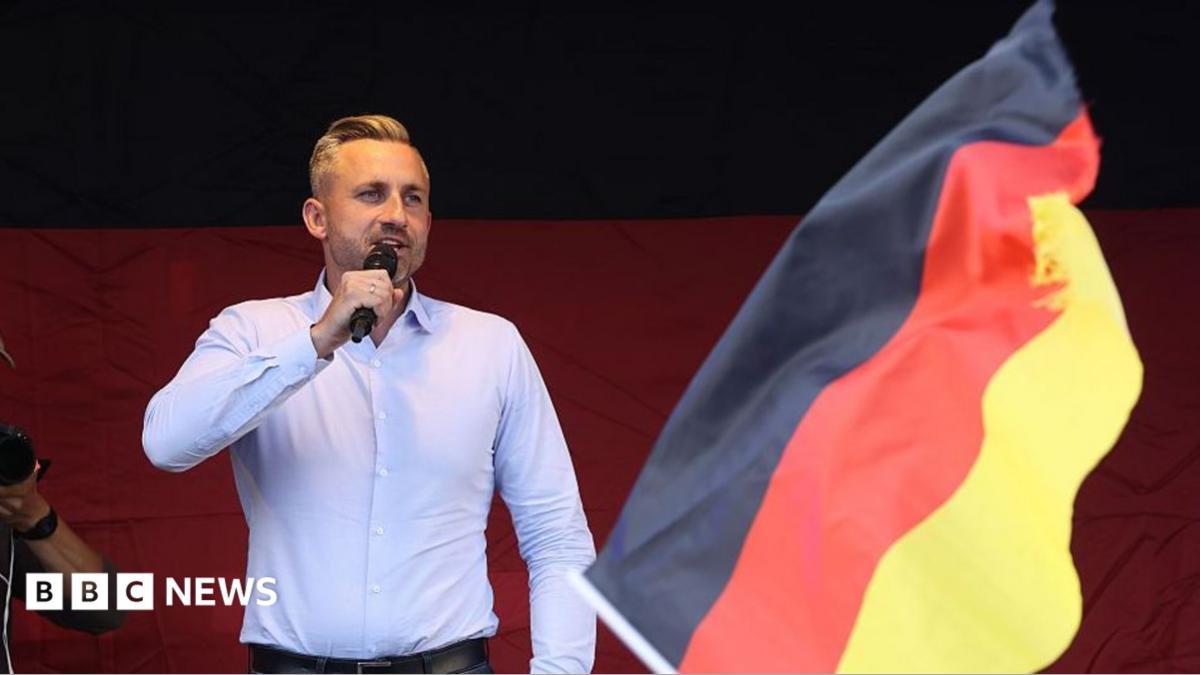
By contrast, the charismatic AfD lead candidate in the state – Ulrich Siegmund – appears to have enjoyed dominating discussion and media coverage.
Dubbed “Germany’s Most Dangerous Man” by Der Spiegel magazine, he has brushed off reports that people previously in the neo-Nazi scene are among those to hold influential roles around him.
The 35-year-old can often be seen, including in his own many social media posts, amongst adoring crowds or happily riding a retro East German scooter.
A lingering nostalgia for the past, alongside an acute dissatisfaction with the present, has fed the party’s popularity in its eastern strongholds.
Voters voice frustration with immigration, public safety, Germany’s struggling economy, high energy costs and aid being sent abroad to countries like Ukraine.


