


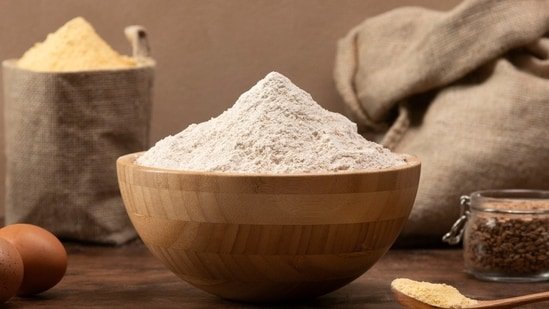
Amaranth, commonly known as rajgira, has long been associated with fasting meals in India. But this ancient pseudograin is much more than a festive staple. Packed with high-quality protein, fibre and essential minerals, amaranth is increasingly being recognised for its impressive nutritional profile and potential health benefits, earning it a place among today’s emerging superfoods. (Also read: Best and worst cooking oils revealed: Hyderabad oncologist gives ghee 9/10, refined sunflower oil gets a ‘big zero’ )
In his June 26 Instagram post, Dr. Shubham Vatsya, gastroenterologist at the Institute of Gastroenterology & Hepatobiliary Sciences at ISIC Multispeciality Hospital, Delhi, urged people to look beyond the grain’s traditional image. Calling amaranth “India’s next superfood,” he explained how its unique combination of nutrients can support health.
Why amaranth deserves a place in your diet
He explained that a one-cup serving of cooked amaranth provides around 9 grams of protein and 5 grams of dietary fibre, making it an excellent choice for improving overall nutrition. “Amaranth is naturally gluten-free and contains lysine, an amino acid that’s crucial for collagen formation, calcium absorption, tissue repair and muscle recovery,” he added.
According to Dr Vatsya, “Its high fibre content supports gut motility, helps relieve constipation, promotes satiety and can prevent overeating. Fibre also slows down carbohydrate absorption, helping reduce sudden spikes in blood sugar levels.”
He further highlighted the grain’s rich micronutrient profile, saying, “Amaranth is packed with calcium, magnesium, iron, phosphorus and manganese. Together, these nutrients support bone health, muscle function, haemoglobin production and energy metabolism.”
How to include amaranth in your everyday meals
Dr Vatsya also pointed to its heart-health benefits. “The phytosterols and fibre naturally present in amaranth may help lower LDL, or ‘bad’ cholesterol, making it beneficial for cardiovascular health,” he said.
For those looking to include it in their diet, he recommended mixing amaranth flour with regular wheat flour for rotis or using the grain to prepare porridge, chillas or khichdi.
He concluded with a reminder: “Amaranth isn’t just a food for fasting. It’s a future superfood that deserves a place in your everyday diet.”
Note to readers: This article is for informational purposes only and not a substitute for professional medical advice. Always seek the advice of your doctor with any questions about a medical condition.
This report is based on user-generated content from social media. HT.com has not independently verified the claims and does not endorse them.
