



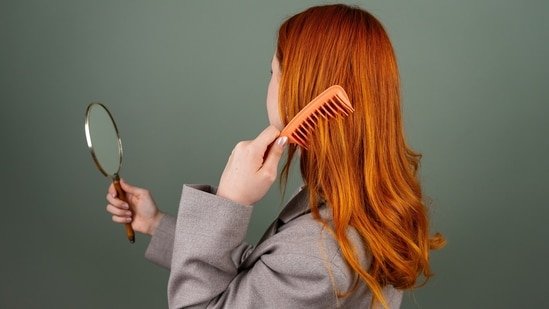
Every monsoon, the same complaints resurface: more hair fall, more frizz, duller strands, an oilier scalp. Most of us treat these as separate problems needing separate fixes. Science suggests otherwise. They are usually different symptoms of the same underlying issue: how structurally sound the hair fibre already was before the season began. In an interview with HT Lifestyle, Navneet Misra, hair expert and the founder of Xtovia, shared hair care myths we should stop believing.
Also read | From split ends to heat damage: Dermatologist reveals why a low-heat hair routine makes sense for summer 2026
Myth 1: Monsoon causes hair fall
“Monsoon doesn’t create hair fall, it creates hygral fatigue,” said Navneet Misra. When hair repeatedly absorbs moisture and dries out, it swells and contracts, weakening its internal structure over time. Hair that was already fragile snaps more easily under this cycle. What looks like new hair fall is often breakage in fibres that were compromised long before the rains began.
Myth 2: Humidity causes frizz
According to Navneet Misra, humidity doesn’t cause frizz; it exposes it. Frizz appears when the cuticle, the outer layer of overlapping scales that normally lie flat, is already lifted. Moist air simply reacts with that existing damage. A cuticle that lies flat stays smooth regardless of the weather.
Myth 3: Oiling heavily before a wash prevents monsoon damage
Oiling genuinely conditions and cushions hair against everyday wear. What it doesn’t do is rebuild broken bonds inside the cortex or reposition an already lifted cuticle. It protects, it doesn’t repair.
Myth 4: Anti-frizz serums fix frizz
According to Navneet Misra, serums smooth hair for a few hours by coating the shaft, but the moment humidity rises again, the same lifted cuticle is exactly where it was. Managing frizz daily instead of repairing it is why the problem never actually goes away.
Myth 5: Skip conditioner when the scalp feels oily
Scalp oil and hair fibre moisture are two different things. Sebum barely travels past the first few inches from the root, so mid-lengths and ends stay just as dry and vulnerable, whatever the scalp feels like. Withdrawing conditioning during monsoon usually leaves hair more exposed, not less.
“Across hair fall, frizz and dullness, the pattern repeats: symptoms differ, but the root cause is whether the cortex and cuticle are structurally intact. So the only choice monsoon hair really comes down to is this: keep reacting to whatever shows up, or finally address what’s causing it,” said Navneet Misra.
Note to readers: This article is for informational purposes only and not a substitute for professional medical advice. Always seek the advice of your doctor with any questions about a medical condition.


