



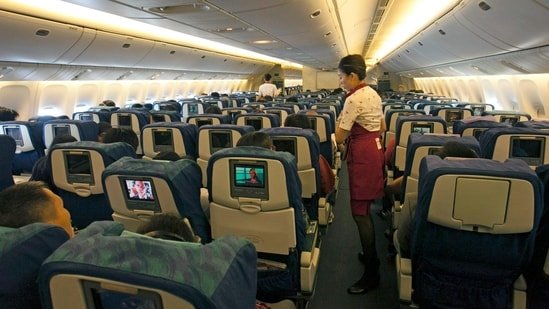
At 35,000 feet, the calm voice guides passengers through turbulence, helping during a medical situation, or stepping in during a security concern, which may appear natural and effortless. In reality, these moments go far beyond just instinct. Each cabin crew member goes through rigorous training and preparation to develop these qualities in themselves. Here’s a glimpse into the journey of becoming a cabin crew professional.
Also read | Paying too much for flights? Experts reveal 8 key hacks on how to save without compromising comfort
What cabin crew are trained for?
Cabin crew are trained to be first responders, crowd management professionals, and crisis communicators, who also happen to serve customers. Aviation is a highly regulated sector across the globe, and like all other aspects, even the minimum standards for cabin crew are defined by the respective regulators covering safety and emergency procedures, handling dangerous goods, first aid certification, and aviation security.
What does training really look like?
The training, spanning a minimum of twelve weeks, is structured around several disciplines. The foundation is laid by acquainting trainees with aviation regulations, aircraft systems, emergency equipment, and the legal and operational frameworks. This is followed by aircraft-type specific training, where the crew are qualified on the aircraft they will operate.
Prepared for emergencies
Emergency preparedness is the most demanding component. They are trained to manage fires onboard, decompressions, medical events, evacuations, bomb threats, and hijack situations. They learn dangerous goods regulations, first aid for CPR, asthma attacks, panic episodes, epilepsy, childbirth, and water evacuation and survival, including deployment of rafts and other survival equipment.
This training does not happen in classrooms alone. It is delivered through mock aircraft cabins, firefighting drills, water survival exercises, and full slide evacuation practice. The goal is to ensure that in a crisis, responses are quick and natural.
Sheetal Rana, lead cabin attendant with IndiGo, said, “I thought the role was about service. I was amazed to learn that service is only a small part; we are trained to step up when it matters most, which may be in any kind of situation. We shoulder a lot of responsibility when we step into that aircraft.”
Neha Pancholi, another cabin crew member at IndiGo, describes her first firefighting drill: “The cabin was filled with smoke, instructions were rapid, and we had to act instantly. It was intense. But it taught me how to stay focused under pressure.”
The human factor
Apart from the practical hands-on training, the cabin crew members are all taught interpersonal skills, which include communication, empathy, and presence. Emotional intelligence, communication, and composed presence are central to cabin safety. Cabin crew members interact with passengers from different backgrounds, sometimes even in stressful situations. Training in active listening, cultural sensitivity, inclusive language, and tone of voice ensures that interactions are handled with both professionalism and warmth.
Imtinaro Jamir, lead cabin attendant, IndiGo, highlighted, “During training, we’re taught structured ways to handle difficult situations — starting with listening and acknowledging the passenger’s concern, then responding with empathy before moving towards a solution. These techniques help us manage our own emotions and stay calm, even when someone is frustrated or overwhelmed.”
Note to readers: This report is based on user-generated content shared by Indigo. HT.com has not independently verified the claims and does not endorse them. This article is for informational purposes only.


