



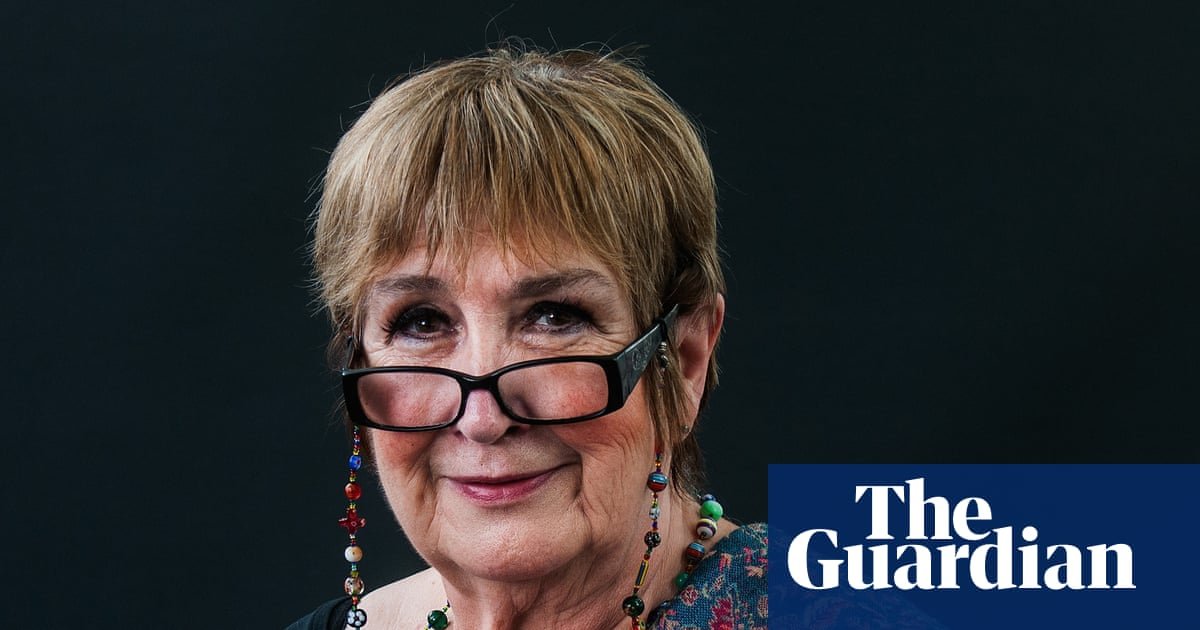
Jenni Murray, the broadcaster who hosted BBC Radio 4’s Woman’s Hour for more than 30 years, has died at the age of 75.
Murray joined the programme in 1987 and presented it until 2020, departing as its longest-serving presenter. She was awarded a damehood in 2011 in recognition of her contribution to broadcasting.
During her three decades fronting the show, the presenter interviewed a wide variety of influential women, including Margaret Thatcher, Hillary Clinton, the writer Margaret Atwood and actor Bette Davis.
In 2006, Murray announced on air that she had been diagnosed with breast cancer. She returned to the programme after undergoing surgery and treatment. During her career, she won two Sony Awards and entered the Radio Academy Hall of Fame.
Tim Davie, the BBC’s outgoing director general, said Murray was “simply put, a broadcasting icon”.
“Throughout her three groundbreaking decades on Woman’s Hour, Jenni created a safe space for her audience thanks to her warmth, intelligence and courage,” he said. “Her legacy endures in the countless conversations she started, the many issues she championed and the lives she touched.”
Mohit Bakaya, controller of BBC Radio 4, said she was a “formidable voice in British broadcasting who was warm, fearless and beloved by listeners”.
Murray, who went to grammar school in her home town of Barnsley, South Yorkshire, joined the BBC aged 23 at her second attempt. She had gone for a job as a studio manager in London, but eventually joined a local radio newsroom in Bristol.
She began broadcasting in Bristol in 1973, before presenting the BBC’s South Today local news programme between 1978 and 1983.
She worked on BBC Two’s Newsnight and Radio 4’s Today programme before presenting Woman’s Hour, replacing Sue MacGregor. Murray said that she had realised “very early on that girls did not have it as easy as boys did”.
During her episode with Thatcher, she challenged the late former prime minister over her childcare policies. Thatcher said that the dislike of some of her MPs to work under a woman and opposition to her policies “coalesced together” during her time in government.
Thatcher told Murray that she had been asked what it was like being a female prime minister, but had replied: “I’ve no idea, because I’ve never experienced the alternative.”
Murray also asked former US presidential candidate Clinton about whether she could forgive her husband, Bill, for his infidelity. She signed off her final programme with Helen Reddy’s feminist anthem, I Am Woman.
Sally Feldman, a former editor and producer of Woman’s Hour, said Murray “didn’t have any fear at all about asking people things and they always found themselves replying”.
In 2018, Murray withdrew from an Oxford University talk after a backlash over her views about transgender people.
Murray also became a campaigner for much tighter laws on pornography as it had become easily accessible to children online.
She criticised the BBC in recent years. In her Daily Mail column last year, she said her views on “the trans question” had resulted in her departure from Woman’s Hour. “I would never be allowed to talk about it on the programme,” she wrote.
She also said that she hoped the next BBC director general after Davie’s departure would be a woman. “It’s staggering that this 103-year-old organisation has had 17 director-generals and they were all guess what? Ah yes. Men,” she wrote.


