



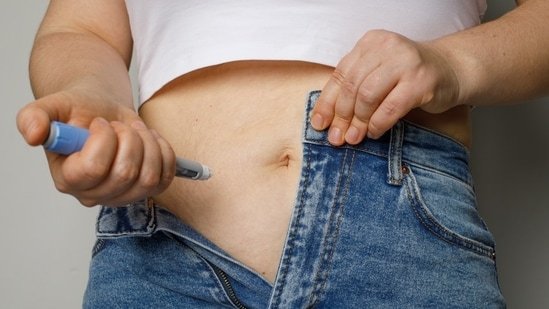
The market for diabetes and weight-loss drugs is set for a transformation starting Friday as Danish drugmaker Novo Nordisk’s patent on semaglutide expires, triggering the launch of a multitude of cheaper generic versions.


More than 50 branded versions of semaglutide, the active ingredient in Novo’s diabetes drug Ozempic and weight-loss treatment Wegovy are expected to enter the Indian market, making it one of the most crowded drug launches in recent years. The influx is likely to sharply reduce prices and improve access for diabetes and obesity patients, but experts warn it could also lead to misuse.
Sun Pharma, Mankind Pharma, Dr. Reddy’s , Zydus, Lupin and Alkem are among the companies expected to launch generic versions.
According to industry estimates, the new versions are likely to be priced at a third to a fifth of the innovator drug, bringing the monthly cost of the once a week injectable down to around ₹3,000 to ₹4,000. At present, Ozempic costs between ₹8,800 and ₹11,175 per month, while Wegovy ranges from ₹10,850 to ₹16,400, depending on dosage.
“Diabetes and obesity management is long term and expensive, so cheaper options will help families and improve adherence. It can also help doctors start treatment earlier,” said Dr Sandeep Kharb, senior consultant, endocrinology, Asian Hospital.
However, experts caution that increased access may also lead to inappropriate use. “These drugs have already been widely promoted and used for weight loss without prescription. With cheaper options entering the market, misuse may increase if not regulated,” said Dr Vivek Bindal, senior director at Max Healthcare, adding that there is a need to prevent promotion for cosmetic use and improve public awareness.
ALSO READ | ‘Say no to drugs; use technology well’: V-P tells students of Tripura University
Adding to this, Dr Saptarshi Bhattacharya, senior consultant, endocrinology, Indraprastha Apollo Hospitals, said the patent expiry marks a significant shift in chronic disease management. “Improved affordability and wider availability of generics will allow many more people, especially outside metro cities, to access a therapy that has proven benefits in blood glucose control and weight management. From a public health perspective, this could help reduce long term complications such as cardiovascular and liver disease,” he said.
However, he stressed that the drug must be used with caution. “Unsupervised use can lead to side effects and poor outcomes, especially in patients with eye disease, gastrointestinal issues, gall bladder disease or a history of pancreatitis,” he said. He also warned against viewing the drug as a quick fix.
“Obesity is a complex, chronic condition and cannot be addressed by medication alone. Without changes in diet, physical activity and lifestyle, the benefits may not be sustained. There is also a risk of weight regain once the drug is stopped,” he added.
Experts further warned that semaglutide’s potential side effects include nausea, vomiting, abdominal pain and, in rare cases, pancreatitis. The dosage needs to be gradually adjusted based on patient response.
Doctors also flagged concerns around safety and quality.
ALSO READ | Panjab University faculty get patent for lantibiotic drug
“When multiple brands enter the market, quality may vary and patients may not know which one to trust. There is also a risk of over promotion and people using it without proper medical advice,” Dr Kharb said. He added that such drugs should not be recommended by gyms or weight loss centres and must only be taken under medical supervision.
The entry of generics will also challenge Novo and U.S. rival Eli Lilly, which launched blockbuster diabetes and obesity drugs in India last year, as they seek to cement their position in the country.
Lilly’s Mounjaro became India’s top-selling drug by value within months of launch, according to data from Pharmarack, a research firm. India, the world’s most populous nation, has the second-highest number of adults with diabetes after China and could have more than 440 million overweight or obese people by 2050, according to The Lancet, a medical journal, and the International Diabetes Federation.
India’s obesity drug market could grow to ₹8,000 crore ($856.6 million) by 2030 from about ₹15 billion today, according to Pharmarack estimates. Even as prices fall, analysts say the winner in the market will depend not just on cost, but also on doctor confidence.
India’s pharmaceutical market is heavily driven by physician prescriptions and uptake will depend on doctors’ familiarity and confidence in individual brands.
An initial glut of products is likely to overwhelm prescribers, analysts said, with uneven experiences and aggressive marketing.
Many generic drugmakers are opting for brand names that incorporate “sema,” which could also add to confusion.
Over time, analysts expect doctors’ trust to consolidate around a handful of players offering reliable supply, quality delivery devices and consistent outcomes.
(With inputs from Reuters)


