










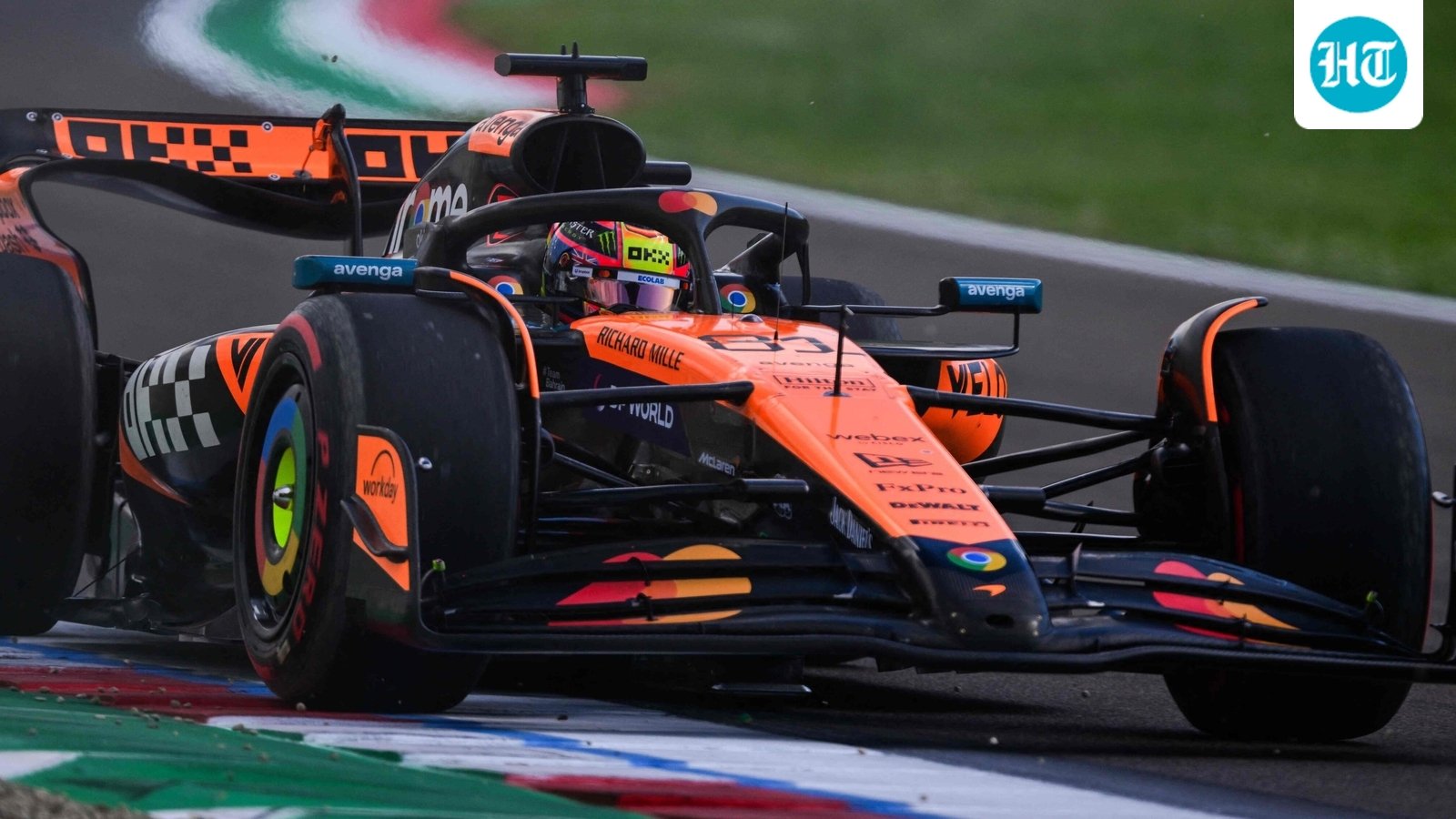
A government task force examining the revival of Formula 1 and motorsports in India could give a further boost to the real estate ecosystem around the Buddh International Circuit (BIC) and the Yamuna Expressway corridor.

A return of recurring F1 events could drive demand for hotels, serviced apartments, short-term accommodation, retail and F&B, while also supporting commercial real estate such as office and event spaces and facilities for automotive, motorsport and allied businesses, real estate experts said.
Improved connectivity and the return of a recurring international event are likely to benefit hospitality, serviced apartments and F&B. The larger opportunity, however, lies in leveraging the circuit as a year-round destination for motorsport activities, automotive and EV testing, brand experiences and MICE events. This could support sustained demand for commercial and event-led real estate while further expanding the region’s business ecosystem, they say.
India is exploring the return of Formula 1, with the government constituting a task force under NITI Aayog to assess the feasibility of hosting a Formula One Grand Prix and draw up a roadmap for the development of the country’s motorsports ecosystem. The task force will examine challenges facing the sector, including taxation-related issues, and assess measures required for its sustainable development. It will also evaluate the international, economic, tourism and investment benefits of hosting motorsport events, identify infrastructure and operational requirements, examine the need for a comprehensive policy framework and recommend suitable public-private partnership (PPP) models, media reports said.
The Indian Grand Prix was held at the BIC from 2011 to 2013, with Red Bull Racing’s Sebastian Vettel winning all three editions. The inaugural race took place on October 30, 2011, as part of the 2011 Formula One season. F1 has not returned to India since 2013. India also hosted a MotoGP round at the BIC in September 2023, although the event has not returned since.
For the Yamuna Expressway region, a renewed international motorsport calendar could add another demand driver to a corridor that has already undergone significant transformation, experts said.
How is Formula One’s likely to impact real estate in the Yamuna Expressway region?
In 2013, media reports said property prices along the Yamuna Expressway had risen 50% over the two-and-a-half years since the first quarter of 2011. This was before the Yamuna Expressway and the Noida International Airport became operational.
In the July-August period of 2011, prices stood at ₹3,132 per sq ft, compared with ₹2,077 per sq ft in the first quarter of that year. The first Indian Grand Prix was held in October 2011, prompting developers to capitalise on the opportunity. The promise of a three-hour drive to the Taj Mahal also helped attract buyers to the region, which was then affected by farmers’ protests and court cases.
It is also worth noting that Jaypee Golf Spa and Resort, which hosted F1 drivers and other VIP visitors in 2011, typically charged around ₹11,000 per person per day. During the F1 season, when hotel rooms became scarce, ₹37,000″>the tariff reportedly rose to ₹37,000 per person per day.
Cut to 2026, the Yamuna Expressway corridor has evolved significantly, supported by infrastructure developments such as the Noida International Airport, upcoming metro and rail connectivity, improved road links across NCR, and investments in electronics manufacturing, data centres, logistics, media and entertainment.
“The return of Formula 1 could further strengthen the region’s positioning, complementing the infrastructure and economic drivers already shaping its growth trajectory,” said Supriya Chatterjee, Managing Director, North, Cushman & Wakefield.
Improved connectivity, combined with the return of a recurring international event, could benefit hospitality, serviced apartments and F&B. The larger opportunity, however, lies in developing the circuit as a year-round destination for motorsport activities, automotive and EV testing, brand experiences and MICE events. This could support demand for commercial and event-led real estate and expand the region’s business ecosystem, Chatterjee said.
“Any long-term impact on property values will continue to be driven by infrastructure delivery, economic activity and quality development. Formula 1 can serve as a catalyst, accelerating a growth story that is already underway,” Chatterjee said.
Manoj Gaur, CMD, Gaurs Group, told Hindustan Times Real Estate that the government’s decision to constitute a NITI Aayog-led task force to examine the revival and development of Formula 1 and motorsports in India is a positive development for the Yamuna region.
“Formula 1 is more than a sporting event; it is a global platform that only a handful of countries can claim to host. Its revival would put India back on the global F1 map and create significant opportunities across business, tourism, hospitality and recreational activity. For the Yamuna Expressway and the wider Noida-Greater Noida region, this could further strengthen the investment case, bringing greater international visibility and supporting demand across real estate, retail, leisure and allied sectors,” he said.
“Its revival will surely give a fillip to the already buoyant Yamuna Expressway real estate market. With the Noida International Airport and continued infrastructure development, the region is well placed to benefit from the broader economic ecosystem that a global sporting event of this scale can create,” he added.


