


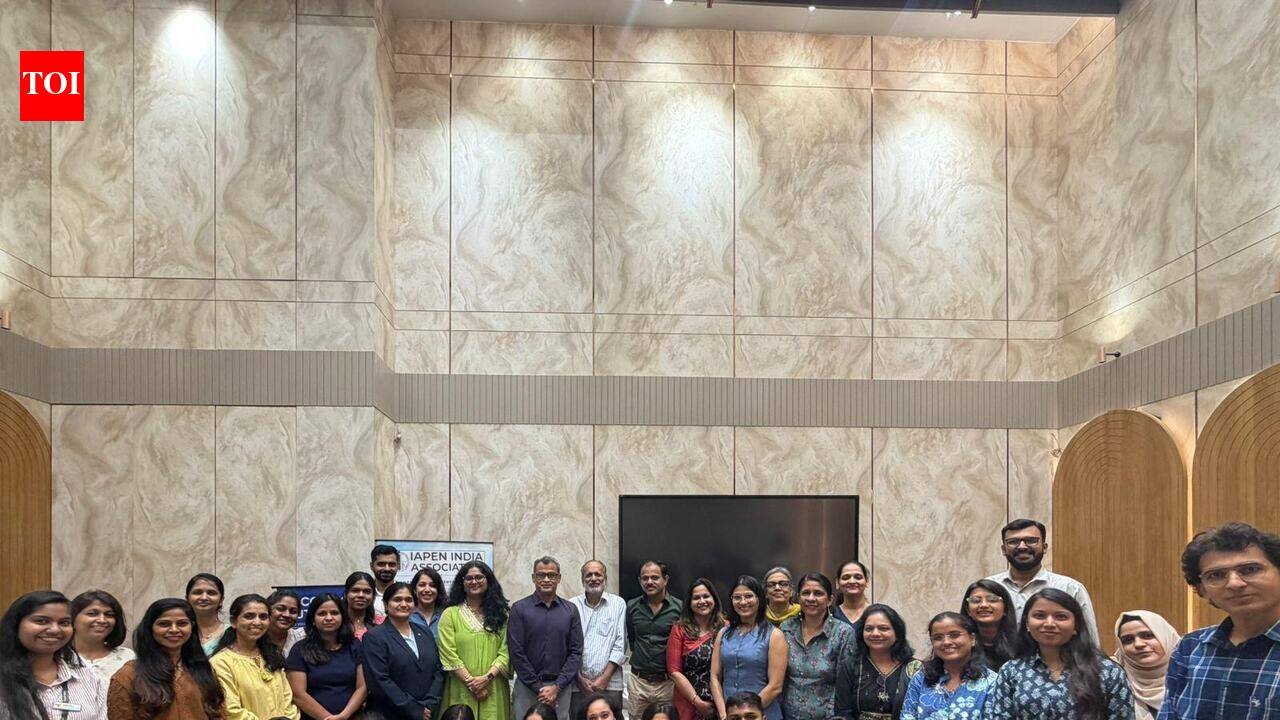
Pune: The future of healthcare lies not merely in treating disease but in preserving health through a deeper understanding of the human gut ecosystem and the science-driven use of probiotics, experts said at a conference on Fermentation and Microbiome Therapeutics.The conference was organised by The Gut Lab (TGL) in association with the Pune chapter of the Indian Association for Parenteral and Enteral Nutrition (IAPEN India) on June 21.The event brought together clinicians, microbiologists, dietitians and nutrition experts to discuss how advances in microbiome science are transforming approaches to disease prevention, nutrition and personalised healthcare.A recurring theme throughout the conference was the need for the evidence-based application of emerging microbiome science.Rahul Saini, senior microbiologist at The Gut Lab, emphasised the importance of simplifying complex microbiome science for routine clinical practice.Abhishek Mukherjee, senior microbiome expert and co-founder of The Gut Lab, cautioned that the rapidly expanding probiotic industry must remain guided by scientific evidence rather than marketing claims.“The future lies in strain-specific, indication-based therapeutic interventions,” Mukherjee said.Shivshankar Timanpayati, president of IAPEN India and chief dietitian at Tata Memorial Hospital, Mumbai, noted that nutrition therapy is increasingly moving towards precision-based approaches.“Microbiome science offers exciting opportunities, but clinical decisions must always remain evidence-driven,” Timanpayati added.Experts also highlighted the growing recognition of nutrition as a core therapeutic tool rather than merely supportive care. Discussions explored the role of traditional fermented foods, personalised nutrition, preventive healthcare and microbiome-informed interventions in improving long-term health outcomes and quality of life.Dr Milind Patole, former scientist at the National Centre for Cell Science (NCCS) and laboratory director at JCDC, emphasised the inclusion of traditional fermented foods in daily diets.“Traditional fermented foods represent centuries of practical wisdom. Modern science is now helping us understand the microbial and nutritional mechanisms behind their health benefits,” Patole said.The Gut Lab’s chief dietitian, Ankita Ghag, stressed the importance of improving health span.“The future of nutrition is personalised, data-driven and microbiome-informed. By understanding the root causes of dysfunction, we can create targeted interventions that improve both health span and quality of life,” Ghag said.
