


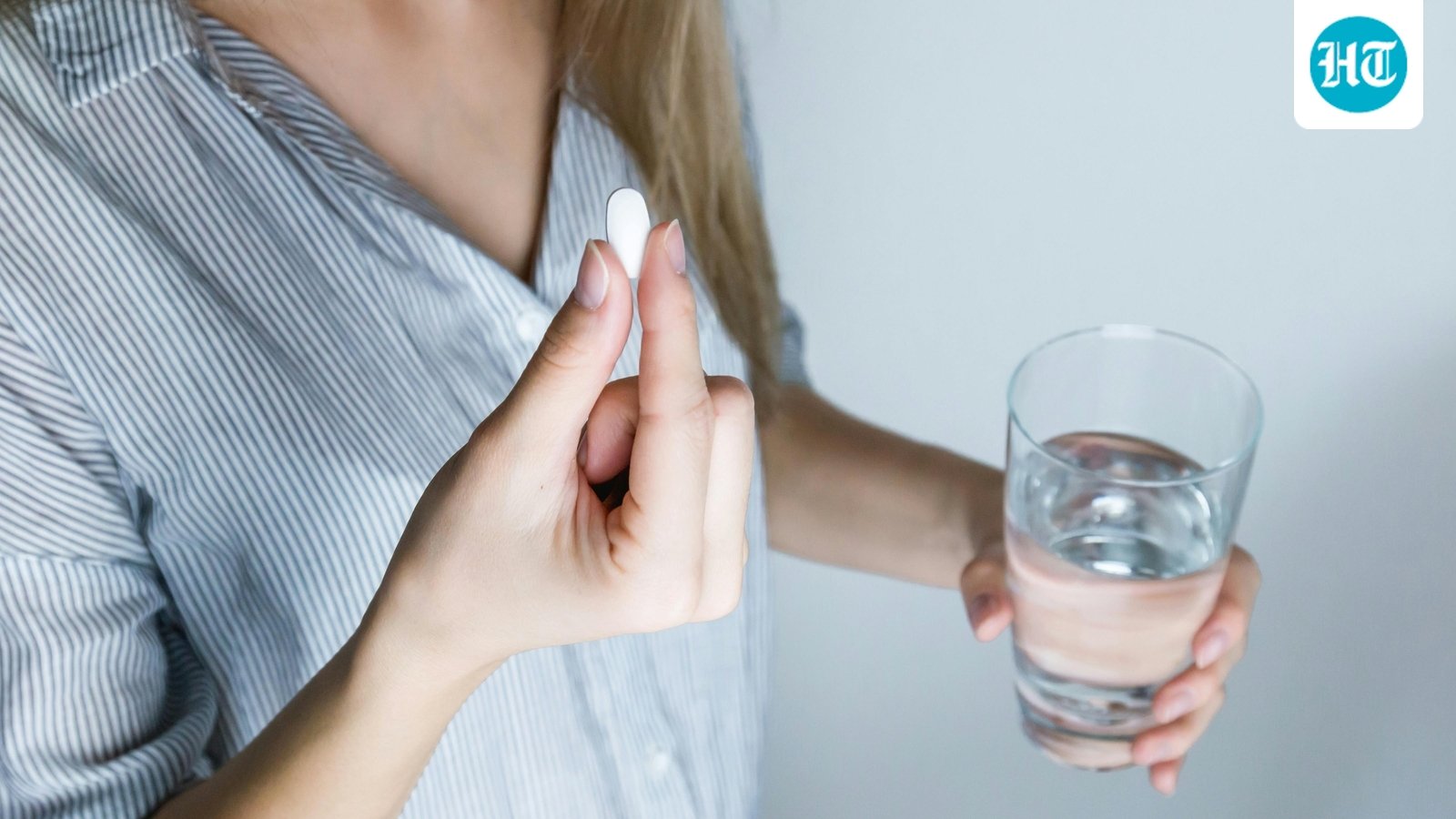
There are many things in life that you accept as they are, by default, mostly because you grew up hearing about them or seeing them and never really paused to ask why. Medicine expiry dates are one such thing. It is widely recommended to check the expiry date before consuming any medicine, but have you ever asked why behind it? Why do medicines have expiry dates in the first place?
ALSO READ: Everyday explained: Why do the panels on an airplane wing open mid-air before landing?
For today’s Everyday explained, we take a look at this doubt. Why do medicines expire? When and why do they become toxic? After some time, what happens to the medicines that, the same tablets which help you recover, fail to help you and sometimes may worsen your ailing state?
Dr Anima Sharma, consultant in endocrinology at Narayana Hospital, Gurugram, helped resolve this common doubt, delving into the science behind why medicines expire. She also responded to other questions associated with medicine longevity.
Here are the questions the endocrinologist answered for us, all related to medicine and their expiry dates:
1. Why do medicines expire?
As per the expert, medicine won’t have an indefinite shelf life because the ingredients react to environmental triggers. They can degrade and lose effectiveness.
Dr Sharma elaborated on this point, decoding the science, “No medicines are meant to never change. Active ingredients can gradually degrade over time due to exposure to oxygen, moisture, heat, and light. This may cause the medicine to be weaker and less effective.”
Next, she addressed what companies actually mean when they mention the term ‘expiry date’. From a manufacturing perspective, Dr Sharma reasoned, “The expiry dates are basically the time up to which the manufacturer assures the medicine’s quality, stability, safety, and effectiveness if it is stored properly.”
2. What happens if you eat expired medicine by accident?
Does a medicine become poisonous if you take it after the expiry date? The endocrinologist confirmed and assured that it does not become toxic on the same day.
But she also shared a prominent caveat, “There is no guarantee that it will function correctly. Though decreased effectiveness may be a specific worry with certain medicines. For instance, if a person takes a medicine that has become less effective for an important health condition or to treat an infection, then the timely treatment of the infection may be delayed.”
3. What are the signs that your medicine is not safe to use?
Medicines won’t show any explicit sign of damage, but that does not mean you pop that pill anyway. The endocrinologist especially warned about this. “Chemical changes are changes that cannot be observed by just looking at a medicine.”
But there are still some subtle changes. Dr Sharma believed one can easily detect via weird colour, smell, texture, cracks, swelling, powdering, or leakage. Then it means your medicine is not safe to use.
4. How should you check your medicine’s expiry date?
On a medicine strip, how do you check for the expiry date? And what to do if it is not properly readable?
The endocrinologist shared clear instructions for you to follow: “Check the blister, bottle, or label for the ‘EXP’ or expiry date. Don’t use memory or the outside carton, especially when the strips have been removed from their carton. If the date has been rubbed out, illegible, or unclear, it is better to consult a pharmacist than to make an educated guess.”
Above all, the expert firmly advocated for developing the habit of checking medicines before taking them, or even before purchasing them. Occasionally, also try to clean out your first aid box, discarding all the expired medicines and replace with fresh ones; otherwise, during an emergency, you won’t be able to take the medicine, or worse, end up consuming the expired ones in a state of panic.
5. How should you store medicine?
Medicine’s longevity is not solely determined by the expiry date! Improper storage will prematurely ruin your medicine, even before the expiry date. Where are these locations?
Dr Sharma warned about these locations:
- Hot car
- Near kitchen stove
- Moist bathroom
What is the correct storage then? Are there any measurements of a correct medicine storage environment? The endocrinologist agreed that there are indeed some non-negotiable conditions. She recommended that common medicines be kept as directed on their labels, typically in a cool, dry location out of direct sunlight.
6. What happens once you open a liquid medicine?
When you open a liquid medicine, what happens to the expiry date? What is the distinction? Dr Sharma settled this doubt by clearly explaining that once you open cough syrup or any liquid medicine, the usability period shrinks, despite having a longer expiry date. This is why it is best to check the instruction label on the medicine, as many times, you will spot instructions that say best before 24 months from manufacturing.
Lastly, the specialist’s parting advice is that you need to keep old and new medicines separate and neatly label them.
Note to readers: This article is for informational purposes only and not a substitute for professional medical advice. Always seek the advice of your doctor with any questions about a medical condition.
