



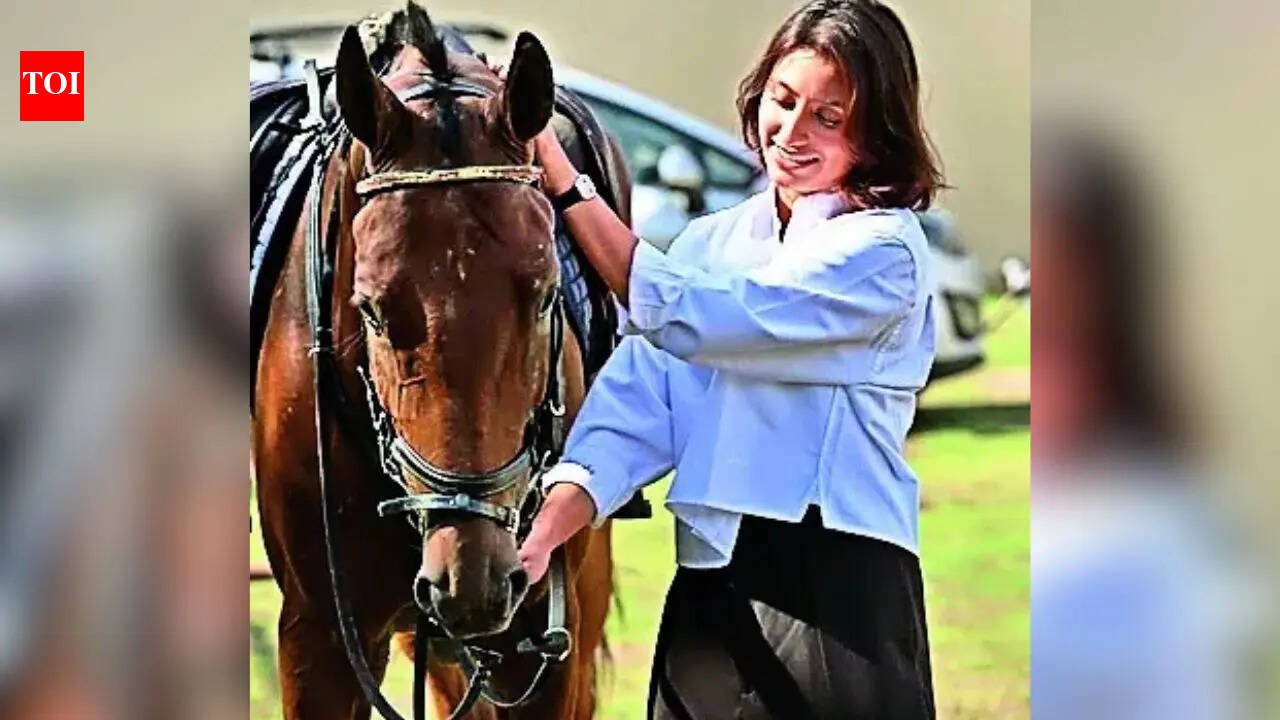
PUNE: Gayatri Karad is emerging as a voice in reshaping India’s equine ecosystem. The 22-year-old, through The Equine Collective, has created a platform for riders, breeders, veterinarians, and policymakers to address gaps in training, regulation, and infrastructure.The Equestrian Forum 2026, which concluded on Sunday in Pune highlighted this vision, with strong government backing. Her upcoming skill development centre in Daund will train grooms and youths with global standards while reconnecting them with nature and discipline.Karad’s initiative blends heritage, education, and employment, positioning the equine sector as a potential driver of rural growth and global opportunity for India.For Karad, the idea of the collective grew from lived experience. She witnessed early on the gaps that defined the sector which included informal training, lack of structure, and a disconnect between grassroots workers and institutional systems.Even as she trained and studied in Britain, including exposure to global certification systems like those of the British Horse Society, one question stayed constant: Why doesn’t India have a unified platform for its equine ecosystem?“India has polo, racing, indigenous breeds, and a deep cultural connection with horses-but these worlds operate in silos. We wanted to build a space where they could come together, learn from each other, and grow collectively,” Karad said on the sidelines of the event on Sunday.The forum concluded on Sunday and had participation from national and international experts, the conversations ranged from policy reform and disease control to skill development and global competitiveness.The skill centre is designed not just as a training facility for equine skills, but also as an immersive learning space. Students from educational institutions can spend time there engaging in hands-on experiences such as caring for horses, understanding agriculture, practising discipline through simple living, and reconnecting with nature.“It is also a response to a pressing gap. A large number of Indian grooms, especially from regions like Punjab and Rajasthan, work internationally but lack formal certification. By building structured training aligned with global standards, we hope to elevate both employability and dignity in the sector,” Karad added.India’s indigenous breeds, such as the Marwari horse, hold global appeal but remain under-leveraged due to regulatory and export constraints.“The equine sector could generate rural employment, boost exports, and even position India competitively in global equestrian sports,” she said.Govt’s openness to institutional partnerships, announced at the forum, is an early signal that such efforts are being taken seriously, she said.


