



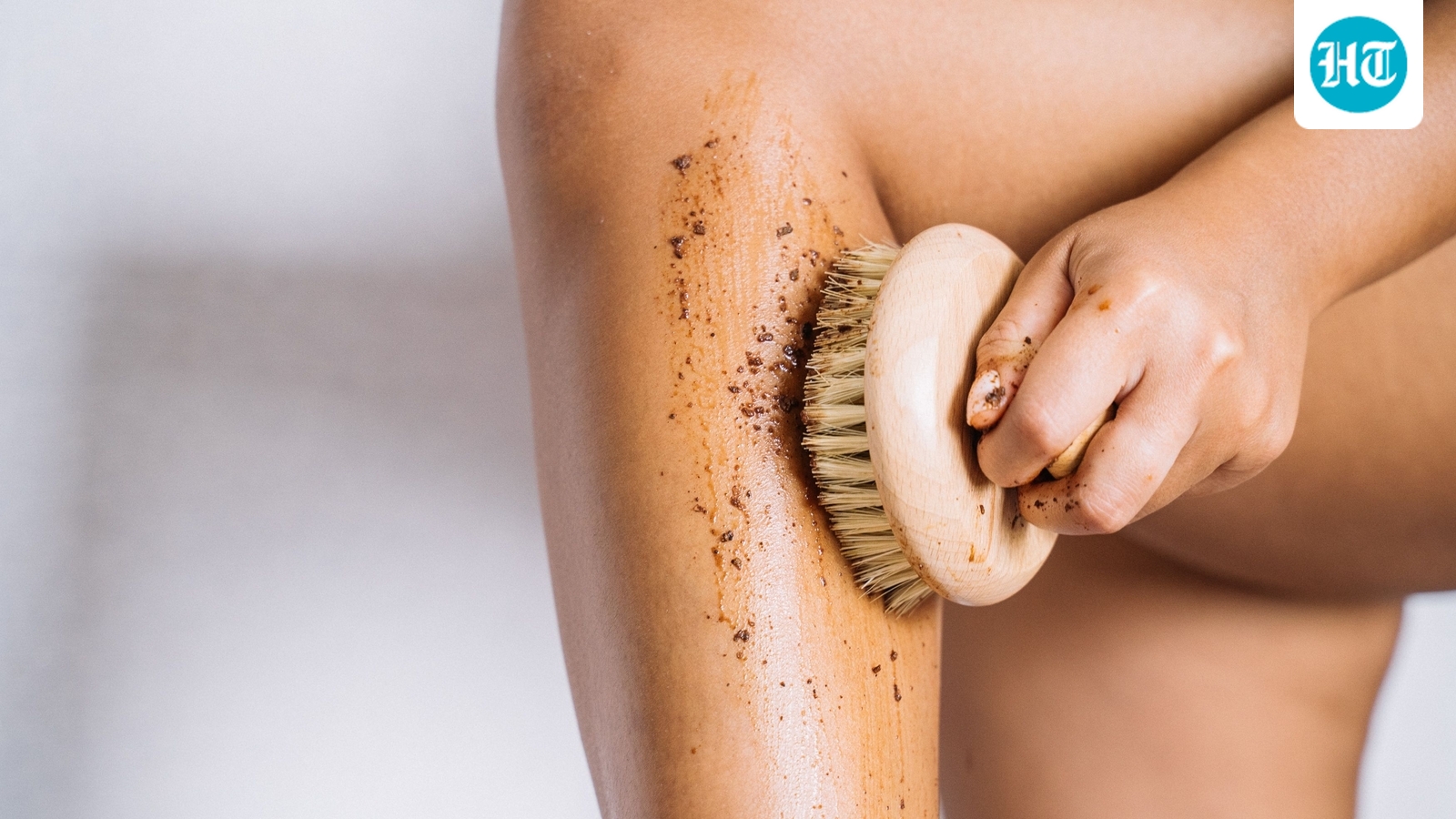
Dry brushing is gaining popularity as a skincare ritual, with many embracing it for its potential skin benefits. However, like any other social media trend, trying it without understanding its purpose, benefits, and risks may do more harm than good. In this edition of HT Lifestyle’s ‘Is It Worth It’ series, we spoke to Dr Swetha Sridhar, medical director at Dr Swetha’s Skin Sutra Clinic, to decode the benefits and limitations of dry brushing and whether it is worth adding to your skincare routine.
Also read | Is it actually worth it? Should you drink lemon water every morning? Expert breaks down the real benefits and myths
Is dry brushing worth adding to your routine?
Dr Swetha highlighted that dry brushing can be included in a skincare routine, but it is important to keep its benefits realistic. “From a dermatological perspective, the main benefit of dry brushing is physical exfoliation,” she added. The bristles can help loosen and remove some dead skin cells from the surface, leaving the skin temporarily smoother and softer. It may also give the skin a temporary flushed appearance because of increased superficial blood flow caused by friction.
However, there is limited scientific evidence to support many of the broader claims associated with dry brushing, particularly claims that it detoxifies the body, significantly improves lymphatic drainage, reduces cellulite, or produces lasting changes in skin texture. The body already has efficient mechanisms for eliminating waste, primarily through the liver and kidneys, so dry brushing should not be considered a detox treatment.
Technique matters
According to Dr Swetha, the technique also matters. Excessive pressure, brushing too frequently, or using very stiff bristles can damage the skin barrier, causing irritation, dryness, redness, and microscopic abrasions. People with sensitive skin, eczema, psoriasis, active acne, rashes, cuts or other inflammatory skin conditions should generally avoid brushing over affected areas because friction can aggravate the condition.
For those who want to try it, gentle brushing on intact skin is preferable, followed by a moisturiser to restore hydration. It should complement rather than replace evidence-based skincare such as regular moisturising and appropriate sun protection.
“So, dry brushing can be a pleasant exfoliation ritual for some people, but it is not an essential skincare step,” highlighted Dr Swetha. Its value lies primarily in superficial exfoliation, and expectations should remain modest. If brushing causes persistent redness, burning, itching, or irritation, it should be discontinued.
Note to readers: This article is for informational purposes only and not a substitute for professional medical advice. Always seek the advice of your doctor with any questions about a medical condition.
