



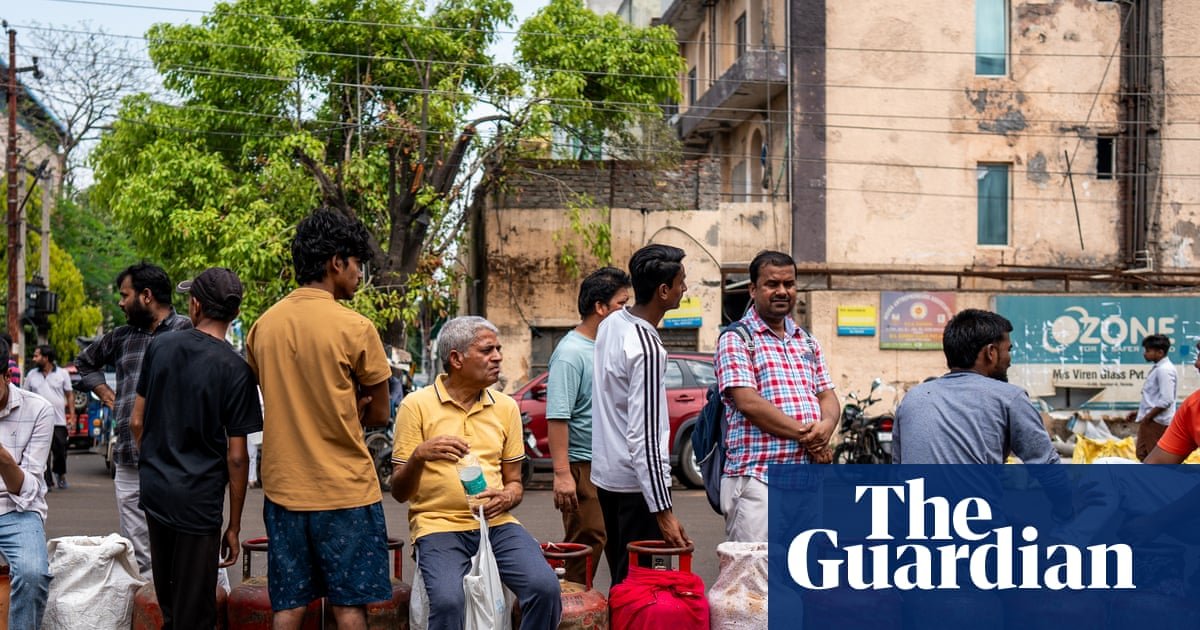
Shrinking fuel stocks and soaring prices are leading countries around the world to burn coal, ration fuel, shorten work weeks and tell citizens to stay at home.
Fossil fuel supplies have reduced since the war against Iran led to the closure of the strait of Hormuz, a crucial shipping route for oil and seaborne gas. The shortfall has prompted emergency measures as government’s attempt to halt rising costs that have thrown economies into chaos.
The International Energy Agency (IEA), whose members sought to calm markets by releasing 400m barrels of oil from their strategic reserves last month, has called for actions such as flying less and driving slower.
Here is how the world is responding as the Iran war oil crisis deepens.
The United States
The US, which, with Israel, bombed Iran in late February, has threatened further blows to Iranian oil infrastructure that may prolong the war and raise fuel prices further. On Tuesday, Donald Trump lashed out at allies who have not joined the campaign – including the UK and France – by telling them to first buy from the US and then “go get your own oil” from the Gulf.
The federal government has not moved to increase subsidies or support households struggling to pay bills, but it has continued its “drill, baby, drill” policy of expanding fossil fuel production while blocking renewable projects. Last week, the Trump administration announced it would pay the French company TotalEnergies $1bn of taxpayer money to kill plans to construct windfarms off the US east coast, and instead direct investments into oil and gas.
The UK, Australia, New Zealand and Canada
The UK has encouraged people to stay calm as fuel prices rise, steering clear of calls to curb demand and limiting its action to financial support for people who use oil to heat their homes. The chancellor, Rachel Reeves, is considering plans to put extra cash into a council-run fund to help vulnerable people during financial crises, but has ruled out the universal support offered during the last energy crisis.
The IEA has warned governments against providing blanket subsidies in response to the crisis and advised them to instead target support to those who need it most. New Zealand has announced weekly cash payments to nearly 150,000 families “in the squeezed middle” as part of a fuel relief package.
Australia has introduced a 50% cut to the fuel excise for three months and released a national fuel security plan. At its current danger level, it encourages motorists to “only buy the fuel you need” and says voluntary choices will help avoid the impact of higher prices. Canada, meanwhile, has refrained from intervening to offset rising prices.
The European Union
The EU has called for a faster shift to a clean economy – powered mainly by domestic renewables – even though some of its member states are slowing it down. Last week, Italy delayed its plan to phase out coal by more than a decade, while the German chancellor, Friedrich Merz, mooted keeping coal plants online for longer and called to hasten the construction of gas-fired power plants. Several EU governments have announced fuel subsidies and tax cuts to shield consumers from price spikes.
On Wednesday, the European Commission proposed weakening its flagship carbon price by ending the automatic cancellation of extra permits in a buffer pool. It has also promised to mandate lower taxes on electricity than fossil fuels, which would reduce reliance on imports by speeding the shift away from petrol cars and gas boilers.
Dan Jørgensen, the EU’s energy commissioner, urged member states on Tuesday to save energy in line with IEA recommendations. Most countries have been reluctant to impose hard measures to cut demand, but Slovenia has begun rationing fuel at the pump and Lithuania has halved domestic train ticket prices for the next two months.
Asia
Coal is coming back across Asia, which has been hit hardest by the energy crisis. India has ordered coal-fired power plants to be run at full capacity and avoid planned outages, while Japan is allowing less-efficient coal plants back on to the electricity market. South Korea has lifted caps on electricity from coal and announced a delay to its planned phaseout. Bangladesh, Thailand and the Philippines are also increasing electricity output from the dirtiest fossil fuel.
China, the world’s second-largest economy, is less exposed to the crisis than its neighbours. In recent years, it has greatly increased energy production – from fossil, nuclear and renewable sources – and built up a vast strategic oil reserve. Its state-run refineries have avoided Iranian crude oil imports for fear of being cut off from international markets, but independent “teapot” refineries have continued to process it for domestic consumption.
South and south-east Asian countries have taken the greatest steps to reduce energy demand. Sri Lanka has introduced fuel rationing and a four-day working week. Vietnam has urged employers to let staff work from home. News anchors in Thailand took off their jackets on air, as the government called on people to use less air conditioning and told officials to wear short-sleeved shirts without neckties. It has also reduced temperatures in government offices to 26-27C and joined other countries in the region in calls to drive less, use more public transport and promote car-sharing.
Africa
Most African countries are net importers of refined oil products and the continent’s high share of farmers means it is particularly vulnerable to the surge in fertiliser prices, which have been hit by increased energy costs and shortfalls in exports from the Gulf.
A handful of countries have introduced emergency measures to deal with the shock. On Tuesday, South Africa reduced its fuel levy for one month. Tanzania directed its energy ministry last month to strengthen its strategic fuel reserves, and has since set a new petrol price cap in Dar es Salaam. Ethiopia has introduced a special fuel subsidy and Zimbabwe plans to increase the blending of fuel with ethanol. South Sudan has begun to ration electricity in the capital, Juba, while Mauritius has curbed grid power for non-essential uses.
South America
Across South America, which has a long history of state-subsidised fuel, rightwing governments have largely resisted calls to suppress price rises. Chile’s new president, José Antonio Kast, has hiked fuel prices just weeks after entering office to bring them in line with global prices. The government announced measures to ease the pain, such as freezing public transport fares for the rest of the year.
On Wednesday, Argentina’s government delayed a scheduled increase in taxes on liquid fuels and carbon dioxide. The move comes days after the administration of Javier Milei, the climate-denying president, said it would allow local firms to voluntarily blend up to 15% ethanol into gasoline.
Brazil, meanwhile, is partly protected from price shocks by a large vehicle fleet that can run on any combination of ethanol and petrol. Drivers can fill their tanks with ethanol from homegrown sugarcane instead of relying on imported fossil fuel.
Reuters and AP contributed to this report.


