



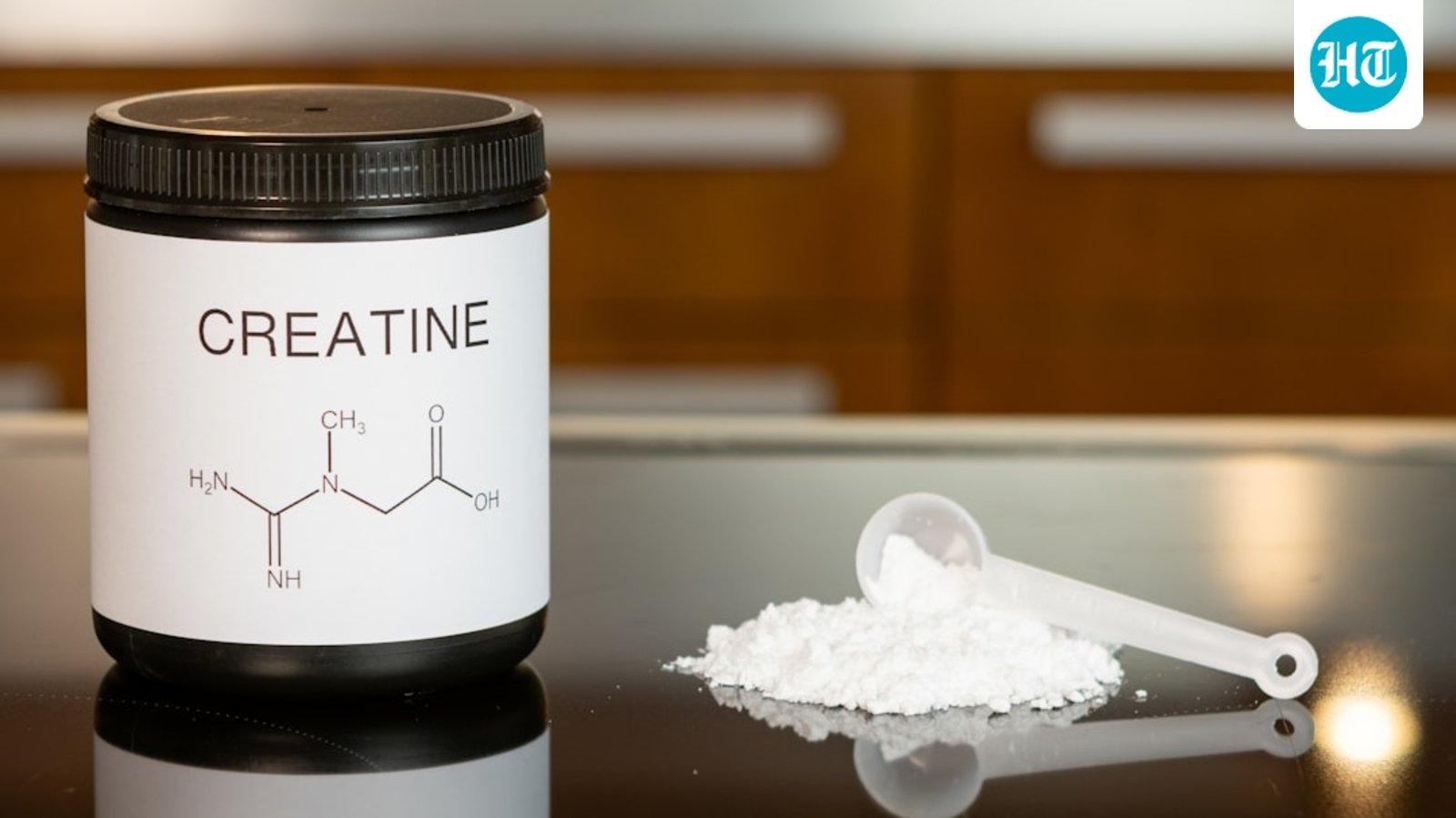
If you’ve spent any time in the gym, chances are you’ve heard creatine hailed as the gold standard of sports supplements. Backed by decades of research, it’s known to boost energy, enhance strength and performance during high-intensity workouts, and support muscle growth.
But like any supplement, it works best when used correctly – including staying well-hydrated. However, while creatine is supposed to leave your muscles looking fuller and more defined, some people end up feeling bloated instead, often because of a few common usage mistakes.
Eric Roberts, a fitness coach with eight years of experience who has trained over 25,000 clients, is breaking down why creatine can leave some people feeling bloated. In an Instagram video shared on August 1, he explains how creatine works inside the body, the role it plays in water retention, and why bloating may occur in some cases.
The mechanism of creatine
Creatine works by helping regenerate ATP (adenosine triphosphate), the body’s primary source of rapid energy for heavy lifting and short bursts of high-intensity exercise. It does this by increasing phosphocreatine stores in your muscles, allowing them to produce energy more efficiently. According to Eric, creatine draws water into muscle cells, creating an environment that supports improved energy production and performance.
However, does this increased water retention leave you feeling bloated? According to the fitness coach, the answer is no – at least not in the way most people think. He explains, “Will taking creatine actually make you bloated? Well, it will make you store water, just not where you think. Water in your body can sit in one of two places. Inside your muscle cells or outside of it underneath your skin. Creatine works by pulling water inside your muscle cell. This is what lets your muscles produce more energy and it means the number on the scale might go up a few pounds in the first week, but you won’t look puffier. Your muscles would actually look more full and defined.”
When does creatine cause bloating?
While creatine is generally expected to make your muscles appear fuller and more defined, some people do report feeling bloated after taking the supplement. According to Eric, this usually comes down to two key factors: the amount of creatine you’re consuming and the type of creatine you’re using.
The fitness coach elaborates, “Why do some people report bloating as a side effect in their stomach? Usually, one of two reasons. First, the amount of creatine they’re taking. Some people do a ‘loading phase’, which is 20 grams per day. This causes bloat because your body has a tough time digesting it, and it pulls a lot of water into your gut to digest it. Second is the type of creatine they take. If it’s not a micronised version of creatine, it can be harder to digest and absorb in your stomach. So to avoid this, just take 5 grams of a micronised creatine monohydrate per day.”
Note to readers: This article is for informational purposes only and not a substitute for professional medical advice. It is based on user-generated content from social media. HT.com has not independently verified the claims and does not endorse them.
Eric Roberts is a Northern Virginia-based fitness coach and the founder of fitness platform ericrobertsfitness.com which focuses on strength training, fat loss and performance. Certified by ISSA in Personal Training and Fitness Nutrition, and holding a Precision Nutrition (PN1) certification, he advocates a practical, research-backed approach to fitness, emphasising consistency, hard work and sustainable, long-term results over quick fixes.


