


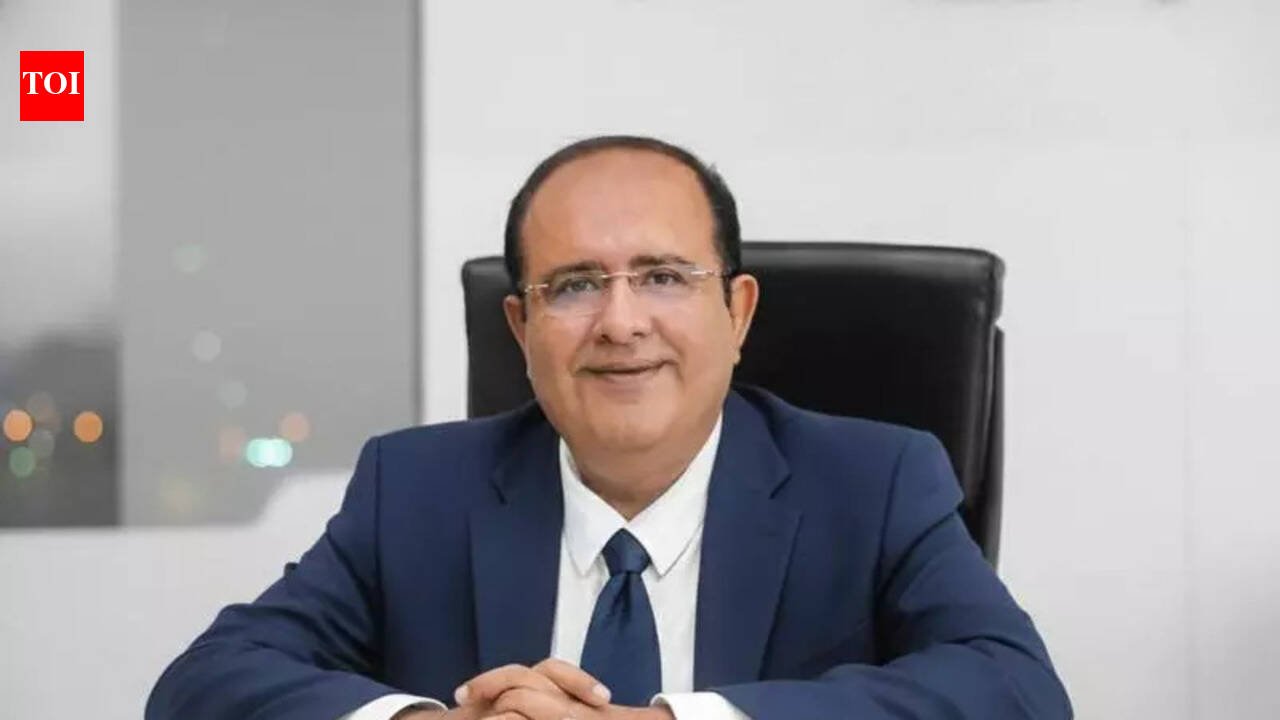
Sterling Holiday Resorts India, a subsidiary of Thomas Cook India, has emerged as one of the top leisure hospitality players in the country. The city-headquartered company has achieved a record of 24 consecutive profitable quarters. Vikram Lalvani, MD & CEO, spoke about tourism trends and expansion plans. Excerpts:How is travel behaviour evolving, and how is Sterling responding?Travel behaviour has shifted significantly. Customers now take more frequent, shorter trips and often book just 48-72 hours in advance as against a few months earlier. Demand is strongest during peak holiday periods, but managing occupancy during the remaining days is critical. Sterling is targeting diverse segments including senior citizens, solo travellers, corporate offsites, weddings, pet-friendly travellers, and emerging trends. Corporate travel and MICE (meetings, incentives, conferences and exhibitions) are becoming increasingly important contributors, particularly during weekdays.How are your occupancy and room rates?In the leisure hospitality segment, 65% occupancy is considered strong. We are currently operating at around 60–62% annual occupancy. Tier-2 and tier-3 markets often provide better stability due to blended business and leisure demand. On average, an ARR (average room rate) of ₹6,500–₹7,000 is healthy. In certain segments, we see potential to reach ₹8,500–₹9,000. Our primary focus is maintaining EBITDA margins above 30%, which we have consistently achieved.How have you diversified footprint beyond traditional leisure destinations?The company has expanded across different segments. It now has over 14 wildlife resorts and around 15–16 pilgrimage destinations, including new properties in Ayodhya and Guruvayur. It is also expanding into tier-2 and tier-3 cities such as Dehradun, Karwar, Madurai and Bokaro, which offer a mix of leisure and business demand. This diversification helps mitigate risks arising from disruptions in specific regions such as Himachal Pradesh, Uttarakhand or Kerala. Our footprint has grown from around 30 resorts in 27 destinations four years ago, to 77 hotels and resorts across more than 60 destinations, with further expansion in the pipeline.How do you decide which destinations to enter?Destination selection is driven by circuit integration, accessibility, and proximity to key source markets. Drive-to destinations have become particularly important, with around 70-75% of our business now coming from road travellers, compared with about 30% before COVID. Improved highways, increased car ownership, and shorter booking lead times have accelerated this shift. Sterling focuses on emerging destinations, entering early and helping build the local tourism ecosystem through jobs, supply chains, and curated travel experiences.What is your expansion outlook over the next few years?Over the past two years, we’ve been ramping up about 15 hotels and resorts a year. We expect to reach around 70 destinations. The total number of resorts could touch 90–100 in the near term. We have a strong pipeline, and the company follows an asset-right strategy, selectively owning strategic assets while also developing resorts with partners. It focuses on destinations that integrate well into travel circuits and have long-term demand potential rather than pursuing rapid expansion for its own sake.How has the company performed financially in recent years?We recently crossed ₹5 billion in consolidated turnover for the first time. Including managed properties, total turnover exceeded ₹6 billion. Our growth has been in the double digits, and we have consistently generated net profits. Sterling ONE, our proprietary distribution platform, is one of the bedrocks for this growth. Importantly, we are completely debt-free. If we raise debt in the future, it will be for expansion purposes—not for working capital.How important is organizational culture and local hiring?Culture is one of our biggest strengths. We emphasize respect, openness, and local empowerment. Around 70–80% of employees at each property are hired locally, which strengthens community engagement and enhances authenticity. Through our ESG initiative, Sankalp, we also support healthcare access in remote regions. For example, we helped establish dialysis facilities in 7 locations across 3 states, reducing the need for patients to travel long distances.


