



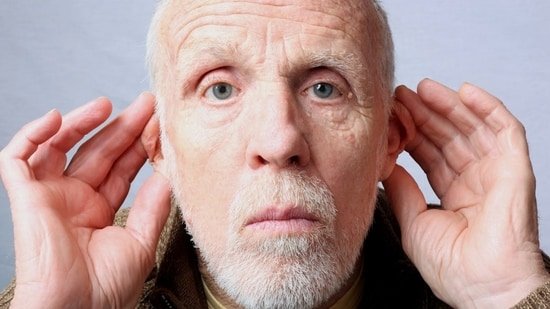
Did you know that something as common as hearing loss has been linked to a higher risk of dementia? Brain health is central to everything we do – from memory and decision-making to regulating essential bodily functions – yet many everyday habits can quietly accelerate its decline without us realising. Factors like poor sleep, chronic stress, and even unmanaged health conditions can gradually impact cognitive function, making it all the more important to understand what’s affecting your brain over time.
Dr Kunal Sood, an anaesthesiologist and interventional pain medicine physician, has shared five key facts about brain health that you should know. In an Instagram video shared on March 31, he explains how factors like poor sleep, chronic stress, and high blood sugar can impact the brain, along with supplements that may help support cognitive function.
Poor sleep can shrink parts of your brain
According to Dr Sood, sleep deprivation is linked to a reduction in grey matter volume in key areas responsible for memory and learning. Even short-term sleep loss can lead to changes in brain structure, while chronic sleep deprivation may accelerate brain ageing.
He explains, “Sleep deprivation is associated with reduced grey matter volume and hippocampal atrophy, key areas for memory and learning. Even short-term sleep loss can alter brain structure, while chronic poor sleep may accelerate brain ageing through impaired neurogenesis, synaptic disruption, and reduced clearance of metabolic waste like β-amyloid.”
Chronic stress impairs memory and focus
Chronic stress keeps cortisol levels elevated, which can disrupt neurogenesis and synaptic signalling, impairing attention, working memory, and decision-making. It also increases inflammation in the brain and contributes to oxidative damage.
Dr Sood highlights, “Persistent HPA-axis activation raises cortisol, which directly affects the hippocampus and prefrontal cortex. Over time this reduces neurogenesis, disrupts synaptic signaling, and impairs attention, working memory, and decision-making. Chronic stress also increases neuroinflammation and oxidative damage.”
High blood sugar accelerates brain ageing
Chronically high blood sugar is linked to faster cognitive decline, reduced brain volume, and microvascular brain injury, notes the physician. He explains that it also heightens oxidative stress, increases inflammation, and contributes to insulin resistance in the brain.
Dr Sood highlights, “Chronic hyperglycemia is linked to faster cognitive decline, smaller brain volumes, and microvascular brain injury. Mechanisms include oxidative stress, inflammation, insulin resistance in the brain, and damage to small cerebral vessels, leading to impaired blood flow and neuronal function.”
Hearing loss is linked to higher dementia risk
According to Dr Sood, some studies suggest that hearing loss is linked to a higher risk of dementia. This may be due to increased cognitive load, reduced auditory stimulation leading to structural brain changes, and the cognitive effects of social isolation.
He emphasises, “Longitudinal studies and meta-analyses show hearing loss is associated with higher dementia risk. Proposed mechanisms include increased cognitive load, reduced auditory stimulation leading to structural brain changes, and social isolation that reduces cognitive engagement.”
Omega-3s and creatine can support brain function
Dr Sood points out that omega-3s are healthy fats that support brain cell function, reduce neuroinflammation, and may enhance memory and cognition. Creatine, on the other hand, supports brain energy metabolism and helps maintain cognitive performance, especially under stress and fatigue.
The physician explains, “Omega-3s support neuronal membrane integrity, synaptic function, and reduce neuroinflammation, with studies showing modest improvements in memory and cognition. Creatine supports brain energy metabolism by increasing phosphocreatine stores, helping maintain cognitive performance under stress or fatigue.”
Note to readers: This article is for informational purposes only and not a substitute for professional medical advice. It is based on user-generated content from social media. HT.com has not independently verified the claims and does not endorse them.


