



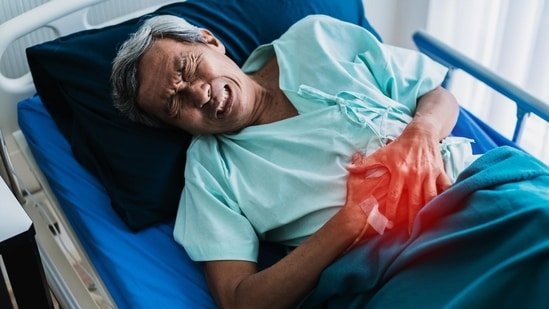
Post-surgical complications following a gallbladder removal frequently include sudden and urgent digestive distress. If you have had a removal surgery and suffered from diarrhoea, you are not alone. According to gastroenterologist Dr Joseph Salhab, this happens because bile in your body no longer gets stored and released in a controlled way.
Also Read | Doctor explains why food poisoning cases rise during summer and monsoon; shares safety guidelines
Diarrhoea after gallbladder removal
On June 5, Dr Salhab shared in an Instagram reel why this happens and what you can do to alleviate the symptoms. According to him, when the gallbladder is removed, bile no longer gets stored and released in a controlled way. Instead, bile can drip into the intestines more continuously, and for some people, that can irritate the colon and trigger urgent, loose stools – especially after fatty meals.
He explained, “If this happens to you and you’ve had your gallbladder removed before, then you’re not alone. The gallbladder normally sits right under the liver to store something called bile. Bile is made by the liver, and it’s stored in the gallbladder. When your gallbladder is removed, it doesn’t act as a reservoir anymore. So, when you eat something, the body leaks a whole lot more bile, and bile in itself is a very potent stimulant of your gastrointestinal tract to move.”
Here’s what may help
So, here’s what you can do about it, according to Dr Salhab
- Fortify your diet with prebiotics and some probiotics to help get things back to normal over time. “Support the gut with prebiotics and probiotics. Prebiotic foods help feed good gut bacteria, while probiotics may help restore balance in the gut microbiome,” he shared.
- Take a relatively low-fat diet. “Start with a lower-fat diet, especially in the beginning. Greasy, fried, and high-fat meals can worsen symptoms,” he explained.
- Take some psyllium husk, maybe a few grams with every meal, to see if that helps. He recommends, “Add soluble fibre like psyllium husk. Try 3–5 grams mixed in water before meals to help bind stool and improve consistency. Start low and increase slowly.”
- Limit alcohol and coffee intake.
- Doctors can also prescribe something called a bile acid sequester. This binds to bile, so it doesn’t trigger that bowel movement urgency right away.
Lastly, the gastroenterologist noted that for many people, this improves over time as the body adjusts after surgery. However, if diarrhoea is severe, persistent, waking you up at night, associated with weight loss or blood, or not improving, talk to your doctor. “Some people need evaluation for bile acid diarrhoea or other causes, and prescription bile acid binders may help,” he adds.
Note to readers: This article is for informational purposes only and not a substitute for professional medical advice. Always seek the advice of your doctor with any questions about a medical condition.
This report is based on user-generated content from social media. HT.com has not independently verified the claims and does not endorse them.


