



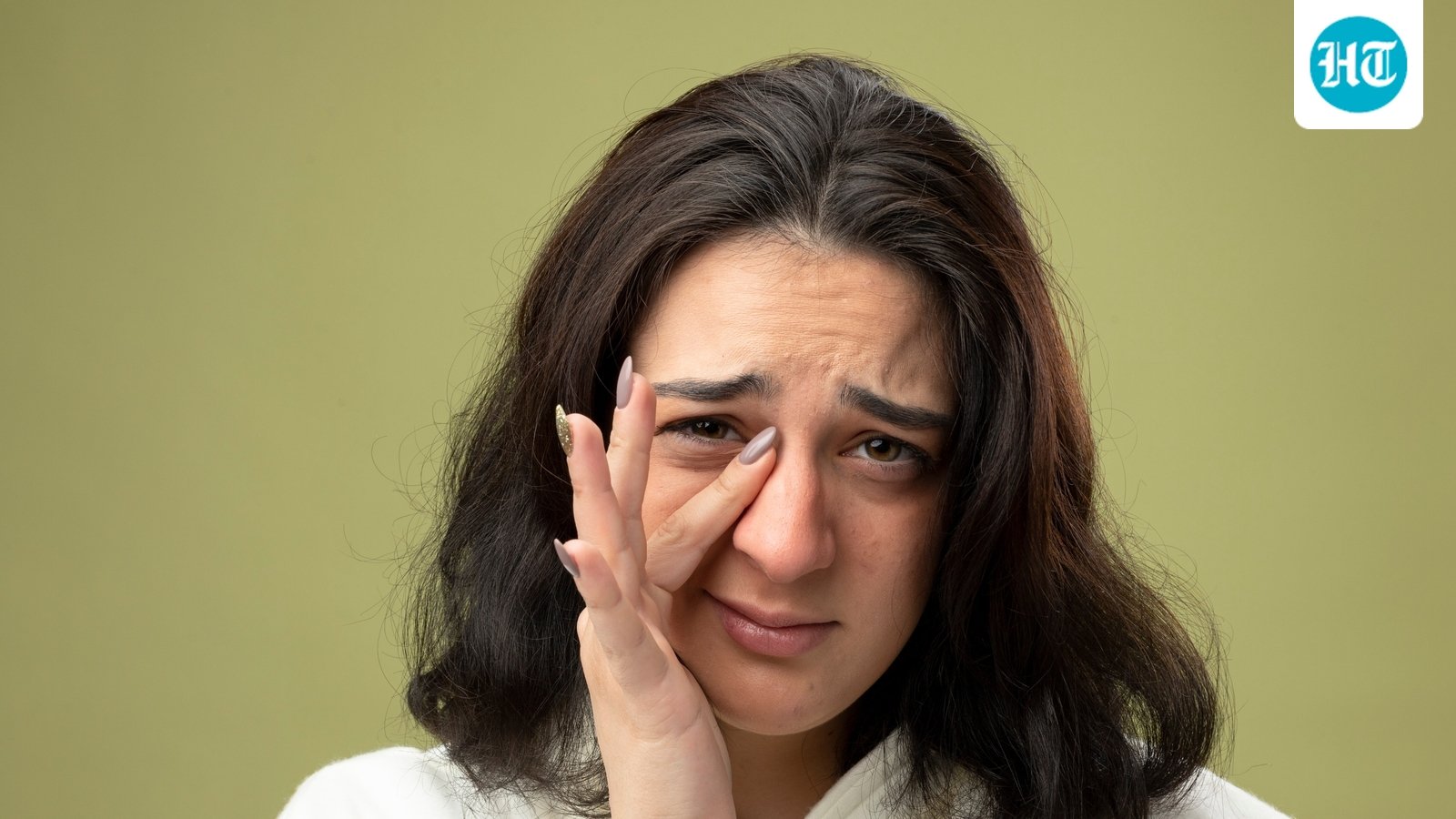
Dark circles are typically treated as a cosmetic concern, with many skincare products claiming to reduce their appearance. However, under-eye darkness is not always caused by inadequate sleep or exhaustion. It may develop due to several factors, and more importantly, dark circles may also require medical attention when they appear alongside certain other additional symptoms.
Dr AAV Ramalinga Reddy, senior cataract surgeon at Dr Ramalinga Reddy Maxivision Super Speciality Eye Hospitals, decoded why dark circles develop, what different shades may mean and when they should be taken as a medical concern.
Why may dark circles happen?
Despite many products being marketed as solutions for lightening dark circles, the eye specialist cautioned against treating them solely as a cosmetic concern. Dark circles have many different causes, which means no single cream can magically fix the cause.
“In some people, it may be linked to skin pigmentation, while in others it may result from loose lower-eyelid skin, visible blood vessels, under-eye bags, or ongoing eye irritation,” he said. Sometimes, it may just be temporary as well, because of stress, poor sleep or exhaustion.
What do different colours tell?
Dark circles do not always appear in a single shade. They may look blue, purple or brown. The surgeon confirmed that this is because the skin beneath the eyes is extremely thin and delicate, allowing the underlying blood vessels and muscles to show through. So, what could these different colours mean?
He simplified, “Brown-toned circles could be related to pigmentation, whereas blue or purple could be visible blood vessels under thin skin. Darkness that changes under different lighting may be caused by structural shadowing because of facial structure. Puffiness accompanied by itching and congestion can suggest allergies.”
The doctor noted that sometimes it is a mix of different factors, which is why, again, he reiterated a single cream will not make it disappear.
When should you seek medical advice?
The surgeon advised seeking medical advice on these grounds: “Darkness or swelling that develops under only one eye, becomes progressively worse, or persists with significant skin or allergy symptoms should be assessed by a healthcare professional. Pain, redness, vision changes, or discolouration following an injury also require prompt medical attention.”
He concluded that usually dark circles are harmless, but when you see the above-mentioned signs, you should take it seriously.
About the expert: Dr A. A. V. Ramalinga Reddy has over 35 years of experience in practising eye care
Note to readers: This article is for informational purposes only and not a substitute for professional medical advice. Always seek the advice of your doctor with any questions about a medical condition.


