



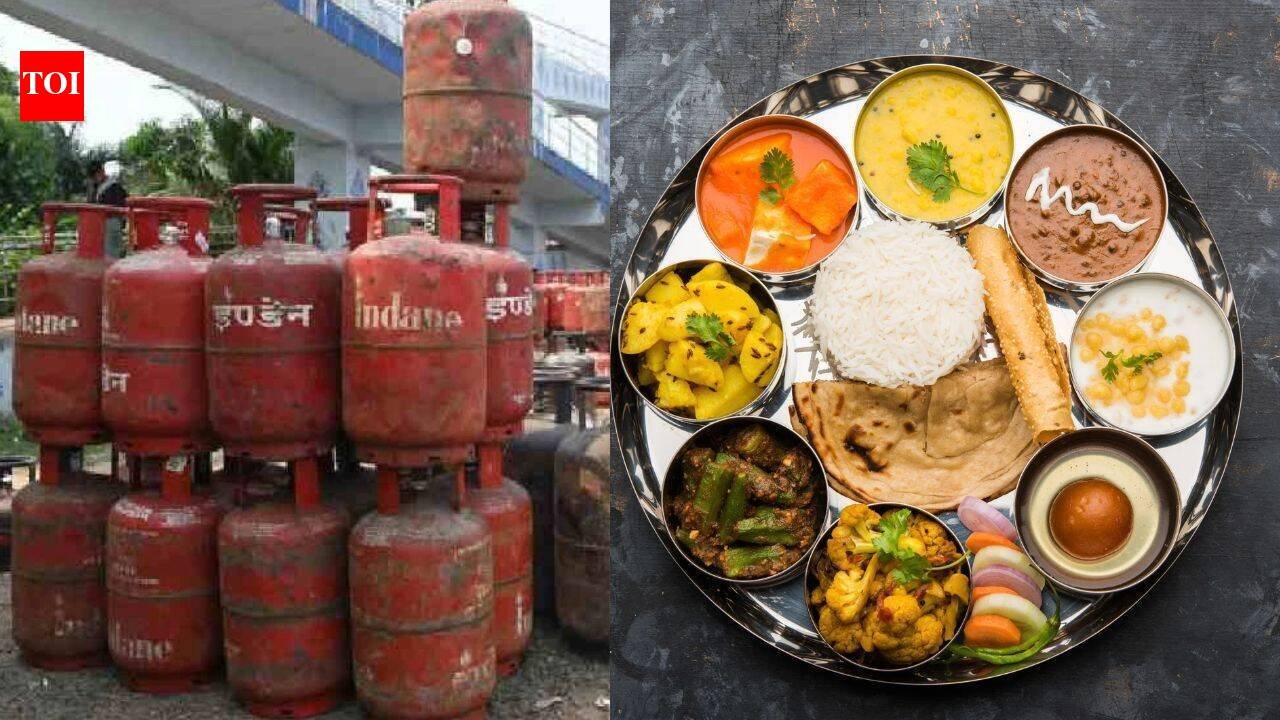
Cooking a meal at home is often considered a more affordable option than eating out, but rising prices of everyday ingredients are putting additional pressure on household budgets. In September 2026, the cost of preparing a vegetarian thali in India increased by 10% compared with the same month last year, while a non-vegetarian thali became 6% more expensive, according to Crisil Intelligence’s monthly Roti Rice Rate indicator. The average cost of a home-cooked vegetarian thali rose to ₹30.8 in September from ₹28.1 a year earlier. Meanwhile, the cost of a non-vegetarian thali increased to ₹59.5 from ₹56 during the same period.The increase was also visible month-on-month. The cost of a vegetarian thali rose 4% in September compared with August, while the non-vegetarian version became 3% more expensive. Higher onion, rice, edible oil and liquefied petroleum gas (LPG) prices contributed to the rise, leaving households with higher food preparation costs as the festive season approached. “The cost of home-cooked vegetarian (veg) and non-vegetarian (non-veg) thalis rose 10% and 6% on-year, respectively, in September, with food costs remaining elevated amid tightening supplies of key staples and higher input costs,” Crisil Intelligence director Pushan Sharma said, as quoted by Hindustan Times.
Onion prices lead the rise in vegetarian thali costs
Among the ingredients pushing up the cost of a vegetarian meal, onions recorded one of the sharpest increases. Their price rose 89% year-on-year to ₹53 per kg in September from ₹28 a year earlier. Crisil attributed the increase to tight supplies of stored rabi onions and an estimated 5% to 6% decline in production. Rainfall in June was around 40% below the long-period average, delaying kharif transplantation and the arrival of fresh supplies in the market.Onion prices also rose 34% in September compared with August as existing stocks tightened ahead of fresh kharif arrivals. The pressure could continue in the first half of October, with festive-season demand adding to the strain on supplies. “The near-term outlook remains firm, as seasonal supply constraints are likely to keep food costs under pressure. Onion prices could remain elevated in the first half of October owing to delayed kharif arrivals, before easing gradually towards the end of October as fresh kharif arrivals improve market availability,” Sharma said.Other vegetables may also become more expensive. Tomato prices could rise because of delayed kharif arrivals and seasonal demand, while potato prices may face upward pressure as higher-priced stocks from cold storage enter the market. Pulses, particularly toor, are another area to watch because of weather-related production risks. Crisil noted that prices typically remain firm during October and November due to seasonal supply constraints.
Rice, cooking oil and LPG add to household expenses
The pressure on food budgets extends beyond vegetables. Rice prices rose 8% year-on-year in September, with Crisil expecting paddy production to decline by 5% to 6% because of lower acreage and weaker yields. Domestic consumption and export demand are also expected to support prices.Vegetable oil prices increased 12% year-on-year despite a reduction in the basic customs duty on crude palm oil from 10% to 5% in late September. According to Sharma, the duty cut is expected to lower landed costs by around 5%, but strong festive-season demand could keep prices elevated. Vegetable oil prices are projected to rise around 10% year-on-year in October, although at a slower pace than in September.LPG prices remained 10% higher year-on-year amid global supply disruptions. Geopolitical uncertainties and concerns about the impact of El Niño on global palm oil production have also contributed to pressure on vegetable oil prices. The increase in the cost of a non-vegetarian thali was comparatively smaller because broiler prices rose only 2% year-on-year. Chicken accounts for about half the cost of the non-vegetarian meal, according to Crisil. Lower chick placements, monsoon-related supply disruptions and higher maize prices affected supplies, while broiler prices also increased 2% month-on-month in September.
Will home-cooked meals become cheaper in October?
Fresh crop arrivals could offer some relief later in the season, particularly if onion supplies improve towards the end of October. However, the outlook remains uncertain, with seasonal demand, tight inventories and weather-related risks likely to keep several food prices elevated in the near term. “Overall, while fresh crop arrivals should provide some relief later in the season, tight inventories, weather-related risks and firm global commodity prices are likely to keep thali costs elevated in the near term,” Sharma said.For households, the figures underline how changes in the prices of everyday staples can add up. Even when families continue cooking at home, higher costs for vegetables, rice, cooking oil and gas can make regular meals more expensive. Whether prices ease in the coming weeks will depend largely on how quickly fresh supplies reach markets and how demand develops during the festive season.
