





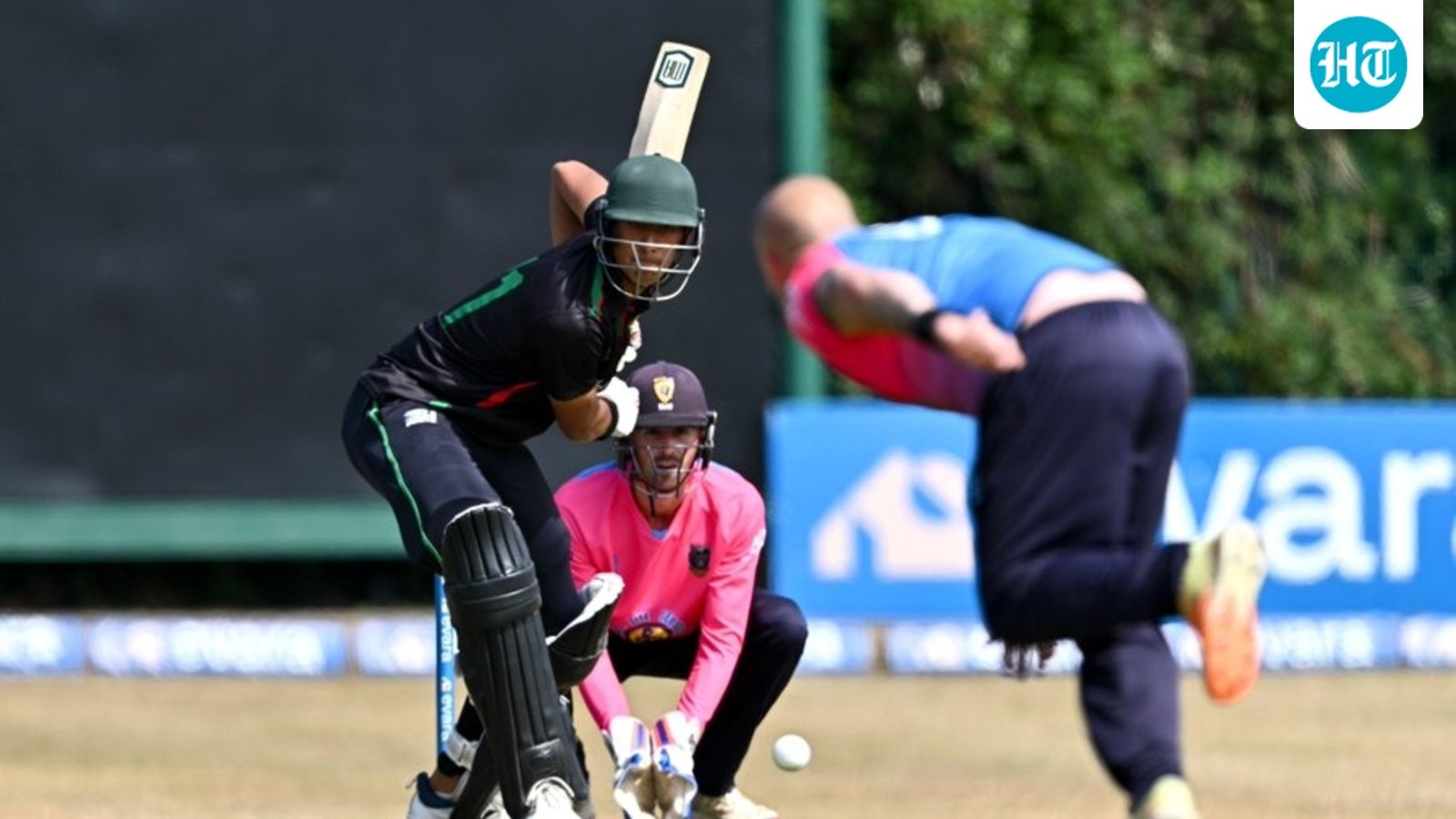
A broken printer produced one of cricket’s most unusual results in Northern Ireland after Ballyspallen were forced to concede their North West Cricket Union Premier League match against Eglinton despite the contest still being very much alive. Playing at home on Saturday, Ballyspallen appeared to be heading into an otherwise routine rain-affected chase after Eglinton were bowled out for 159 in 48.1 overs. The hosts had made a brisk start to their reply, reaching 19 without loss from two overs, when rain forced the players from the field.
With the interruption expected to reduce the number of overs available in the chase, match officials needed to use the Duckworth-Lewis-Stern method to establish Ballyspallen’s revised target. That process, however, ran into an unexpected technical problem — the home club’s printer was not working.
Under North West Cricket Union regulations, the home side is responsible for ensuring the equipment required to produce the DLS calculations is available and operational. Ballyspallen were therefore unable to provide the required DLS sheet to the teams and umpires, leaving the match unable to continue under the competition rules. The consequence was severe. Ballyspallen were required to concede the game, handing Eglinton victory without another delivery being bowled after the rain interruption.
Strict DLS rule leaves Ballyspallen counting the cost
The NWCU regulations specifically address such a situation and place responsibility for DLS arrangements on the host club. The rules state that the home team must have “a computer loaded with the necessary software, a compatible and operational printer with a sufficient supply of paper and ink, and a proficient operator”.
The equipment is also required to be operational before the match begins. If the necessary DLS sheets cannot be produced for both teams and the umpires when required, the regulations provide for the home team to immediately concede the match. That meant what began as a simple rain delay became the decisive moment of the contest.
Ballyspallen had lost no wickets and were 19 runs into a chase of 160 when play was halted, meaning the result was not determined by their position in the match. Instead, the failure to meet the competition’s technical requirements proved decisive. For Eglinton, the incident resulted in a victory and the accompanying league points, despite their bowlers not sending down another ball after the stoppage.
The defeat was particularly costly for Ballyspallen, who had been seeking what would have been their fifth League victory. Instead, the hosts remained at the bottom of the league table after a result decided not by bat or ball, but by a malfunctioning printer.


