






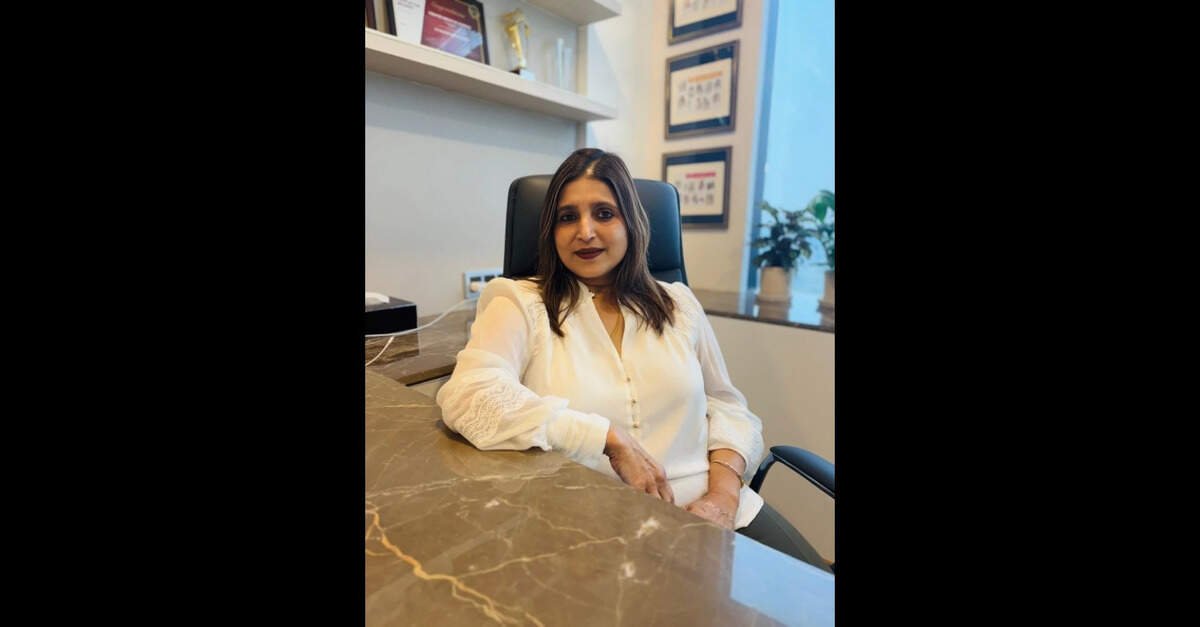
By Kavita Kerawalla
A child today can ask a question and receive an answer before having time to think about it. A search can explain a science concept, a video can demonstrate an experiment, and digital tools can help complete an assignment in minutes. This convenience has changed how children access knowledge, but it also raises an important question for educators and parents: are children learning to find answers, or are they learning how to learn?
Self-learning is built through curiosity, effort and the confidence to work through uncertainty. Children need opportunities to follow an unexpected interest, make mistakes, test ideas and try again. This makes the role of a school broader than delivering a curriculum. It means creating an environment where children have the resources, encouragement and freedom to explore something simply because they want to understand it.
Move beyond the question-and-answer classroom
A classroom focused only on expected answers leaves limited room for exploration. Self-learning begins when children are encouraged to ask questions of their own. A lesson on water, for instance, can move beyond memorising the water cycle to questions about where a city’s water comes from, why some communities face shortages or how water is treated. The subject becomes a starting point for investigation rather than the end of a lesson.
Learning spaces should support this approach. Libraries can encourage children to pursue questions independently, while science laboratories, art spaces and activity areas can turn concepts into experiences. Project-based learning can give students a problem to investigate and allow them to decide how they will approach it. The teacher provides direction, but students gradually take greater ownership of the learning process.
Give children something worth exploring
Children cannot be expected to become independent learners simply because they are told to “learn independently”. They need experiences that spark genuine interest. A child fascinated by space may begin with planets and move towards physics, mathematics or history. Another who enjoys understanding how things work may discover an interest in design or engineering. Schools can nurture these interests through clubs, competitions, exhibitions, reading programmes and interdisciplinary projects.
Exposure matters because children often discover their interests only after encountering something new. Sports, music, theatre, visual arts, public speaking, science experiments, environmental activities and community projects can open doors to areas children may never have considered. Providing varied experiences and allowing students to choose where they want to go deeper can make learning more personal and purposeful.
Make “I don’t know” a good place to start
The fear of being wrong can prevent children from asking questions. If students believe every answer must be correct the first time, they are less likely to experiment or take intellectual risks. Teachers can change this by creating classrooms where thoughtful questions and the process of reaching an answer are valued. A child who can comfortably say, “I don’t know,” is more likely to investigate rather than simply wait for someone else to provide the answer.
This can become part of everyday learning. Students can predict the outcome of an experiment before conducting it, explain their reasoning or discuss what they would change after completing a project. Group discussions and presentations can expose them to different perspectives. Such experiences help children understand that mistakes are not failures. They are often useful information that shows what to try next.
Teach children when to put the screen down
Technology can support learning, but self-learning should not mean spending more time online. Children also need opportunities to observe, build, read, discuss, draw, move and interact with their surroundings. A student learning about plants may understand the subject differently after examining a leaf in a school garden. A child learning about teamwork can experience it through sport, collaboration and group activities.
Schools can create this balance by combining digital resources with hands-on learning. Well-equipped classrooms can support research, while laboratories, libraries, sports facilities, arts programmes, field visits and experiential projects help students apply what they discover. The objective is to teach children that technology is a useful resource, but it is one of many ways to learn.
Change the role of the teacher
Encouraging self-learning does not mean leaving children to figure everything out alone. The teacher’s role becomes more important in helping students frame meaningful questions, assess information, connect ideas and recognise when they need support. When a student’s curiosity develops into a deeper question, a teacher can guide them towards a book, experiment, project or discussion that allows them to explore it further.
This requires classrooms that accommodate different learning styles and interests. Small-group activities, personalised projects, experiential learning and student presentations can give children greater responsibility without removing guidance. Over time, students learn to make decisions about what they need to know, where they can find it and how they can demonstrate what they have understood.
Give learning a life beyond school
Children are more likely to become independent learners when they can see why knowledge matters outside examinations. A project on household waste can lead students to examine consumption at home. A mathematics lesson can become an exercise in managing a budget. A literature discussion can inspire children to write their own stories. These connections make learning tangible and encourage students to pursue subjects beyond completing an assignment.
Schools can strengthen this through community initiatives, student-led projects, leadership opportunities, educational trips and real-world problem-solving. When children are responsible for researching, planning and presenting their work, they begin to see themselves as active participants rather than passive recipients of knowledge. This sense of ownership is central to developing independent learners.
Build a culture where curiosity is visible
Self-learning is ultimately less about adding another programme and more about creating a culture where curiosity is part of everyday school life. It can be seen in a student spending extra time in the library, a group testing an idea in the laboratory, a child exploring theatre or a team developing a solution to a community problem. These experiences tell children that their questions have value.
Schools can nurture this culture by combining academic rigour with opportunities to experiment, create, collaborate and reflect. A strong curriculum provides the foundation, while libraries, laboratories, sports, performing and visual arts, clubs, projects, technology-enabled learning and real-world experiences provide different pathways for discovery. The goal is not to compete with the speed at which technology provides information. It is to help children pause before accepting an answer, investigate questions with confidence and develop the habit of learning long after the lesson ends.
Kavita Kerawalla is the Vice Chairperson of the VIBGYOR Group of Schools.
DISCLAIMER: The views expressed are solely of the author and ETEDUCATION does not necessarily subscribe to it. ETEDUCATION will not be responsible for any damage caused to any person or organisation directly or indirectly.


