



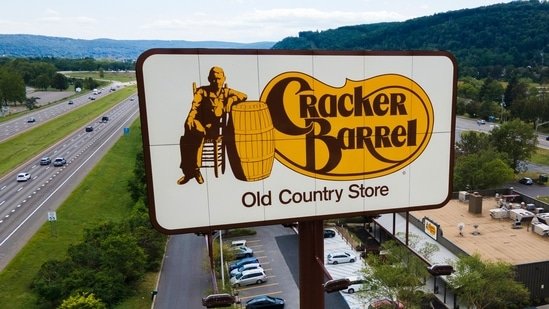
Cracker Barrel’s stock fell more than 3% after the company announced an unexpected leadership change, with CEO Julie Masino stepping down and former Bloomin’ Brands CEO David Deno taking over. Julie Masino will officially step down as Cracker Barrel’s CEO and board member on August 10.

Although leaving the CEO role, Masino will stay with the company as an adviser until October 9 to help ensure a smooth leadership transition. David Deno has been appointed as Cracker Barrel’s new CEO and will also join the company’s board of directors. Deno previously served as CEO of Bloomin’ Brands, the company behind Outback Steakhouse and Carrabba’s Italian Grill.
David Deno named new CEO
Independent Chairman Carl Berquist said the company selected Deno after “following a robust and thoughtful search process.” Berquist added, “He brings decades of experience across the restaurant and retail industries, with a strong track record of leading businesses through growth and a demonstrated commitment to operational excellence, guest experience, and team member engagement”, as quoted by Fox Business.
He further said, “We are confident David is the right leader to continue building on the Cracker Barrel legacy, drive further positive momentum operationally and financially, and create sustainable value for our shareholders.”
Berquist also thanked Masino for “her leadership and commitment to Cracker Barrel” and said the company appreciates “her partnership to ensure a smooth leadership transition as we remain focused on the work underway to continue to serve our guests, support our employees, and execute our strategic priorities”, as quoted by Fox Business.
David Deno’s plans
After being named CEO, Deno called Cracker Barrel a “truly iconic American brand, defined by its unique combination of warm country hospitality, timeless appeal, and deep connection with guests across generations.” Deno said he looks forward to “unlocking the full potential of this remarkable brand,” with a focus on “delivering delicious food and exceptional experiences for our guests, while driving profitable growth”, according to Fox Business.
Sales And rebranding issues
The leadership change comes as Cracker Barrel continues to struggle with weak sales and customer backlash linked to its recent rebranding efforts. Just one week before announcing the CEO change, Cracker Barrel reported that same-store restaurant sales fell 2.5% during the first 11 weeks of its latest fiscal quarter. Masino had launched a major effort to modernise Cracker Barrel’s image after saying the brand had become outdated.
Backlash over changes
The rebranding included a redesigned logo, updated restaurant interiors, menu changes and efforts to refresh the customer experience. The overhaul was part of a broader $700 million investment covering more than 660 Cracker Barrel restaurants. One of the biggest changes involved removing the “old timer” or “Uncle Herschel” character from the company’s logo.
The logo change triggered criticism from several MAGA supporters, who accused the company of becoming “woke.” The company also planned to remove much of the traditional Americana décor from its restaurant interiors as part of the makeover. The backlash grew so strong that Cracker Barrel quickly reversed several of its rebranding plans. Masino later announced that Uncle Herschel would remain part of the company’s branding.
The company also decided to keep its traditional restaurant décor after customers reacted negatively to the planned changes. Masino later apologised for the rebranding effort and promised the company would “always” preserve “the core elements that people expect from Cracker Barrel.” She explained that the makeover was meant to improve the guest experience but admitted the effort had missed the mark.
Debt and profit plan
The company’s financial performance remained under pressure after the controversy. In December, Cracker Barrel reported earnings below Wall Street’s expectations. At that time, Masino said the company faced “unique and ongoing headwinds” and still had work to do to regain customers’ trust and confidence, as noted by Fox Business. The weak performance continued into the following months, with March results showing lower quarterly revenue and profits compared with the previous year, although they still beat Wall Street’s forecasts.
During the March earnings call, Masino said the company was gaining momentum and that leaders were “encouraged by some important guest metrics and green shoots around traffic, and we’re energized in terms of driving improved performance.” Last week, Cracker Barrel announced new steps to reduce debt and improve profitability.
The company sold its Maple Street Business Company business, including the Maple Street brand and 35 restaurant locations, to Biscuit Belly LLC. Cracker Barrel also permanently closed the remaining 16 Maple Street restaurants. In addition, the company completed a sale-leaseback transaction involving 26 company-owned restaurant properties. The deal generated about $77 million in net proceeds, which Cracker Barrel plans to use to pay down debt while continuing to operate those restaurants under lease agreements.


