



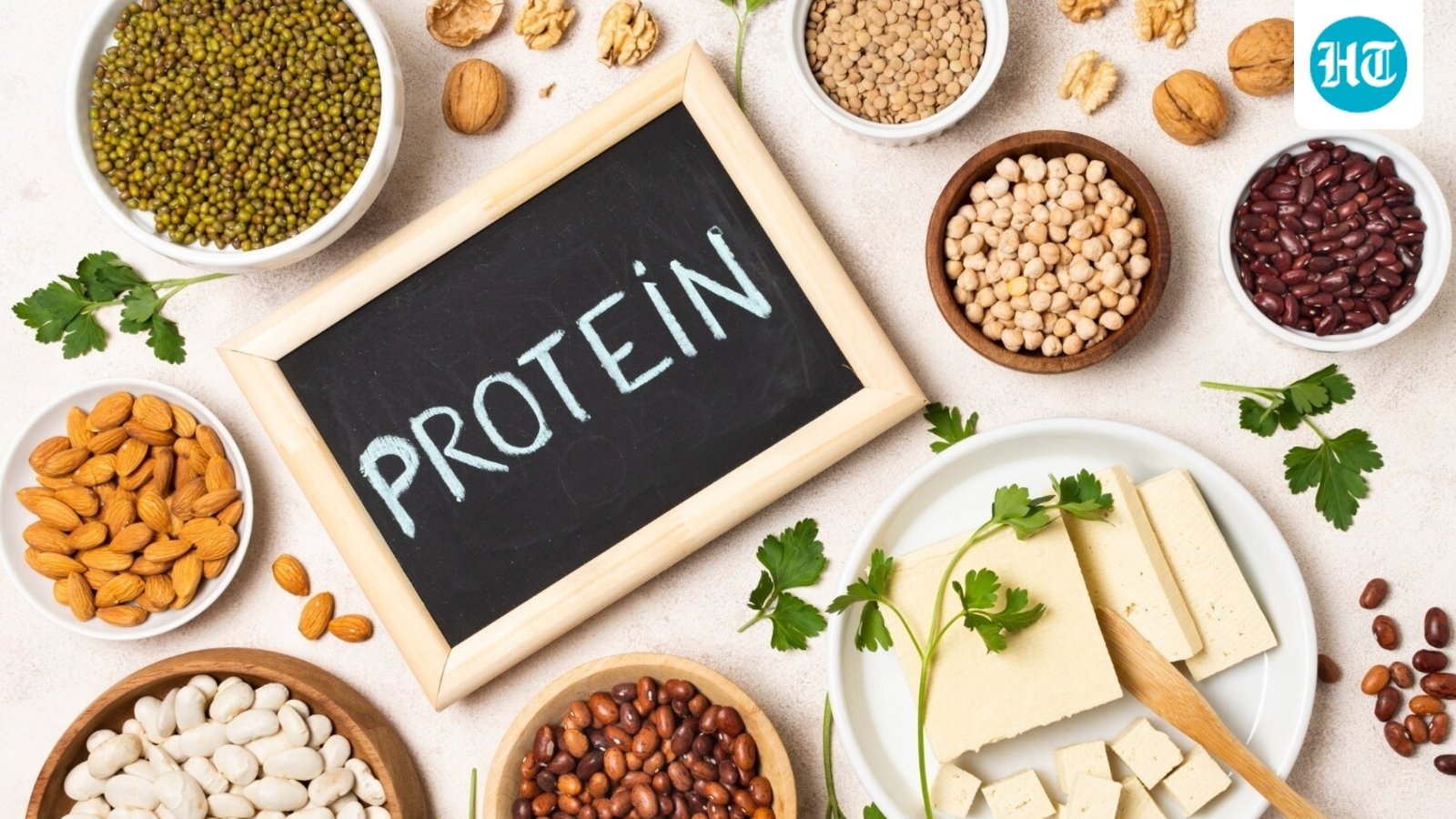
Protein has become the star nutrient in recent years, finding its way into everything from cereals and coffee to snacks and even protein-infused water. While high-protein diets are often promoted for muscle growth and weight management, a new scientific review suggests that consuming less protein may offer surprising health benefits, especially for people who lead a sedentary lifestyle.
Published on July 31 in the journal Cell Press Blue, the review analysed more than 350 studies on protein restriction and ageing. Researchers concluded that lowering protein intake may improve metabolic health, slow biological ageing and, in some cases, even extend lifespan. (Also read: Eggs score 10/10, quinoa just 4/10: Dietitian rates 9 popular protein sources and reveals which ones are worth eating )
What did the researchers find
The review was led by researchers from the University of Wisconsin-Madison, who examined decades of evidence exploring the relationship between protein intake and healthy ageing.
According to the researchers, restricting protein intake appears to:
- Improve metabolism
- Change how cells sense and respond to nutrients
- Reduce cellular damage
- Preserve healthy cell function
- Lower the risk of several age-related diseases
These biological changes may collectively slow the ageing process and contribute to a longer, healthier life.
Why eating more protein isn’t always better
While protein is essential for building and maintaining muscle, researchers say the amount people need depends largely on how physically active they are.
“It’s absolutely crystal clear that there are benefits of protein to muscle growth and exercise response of active individuals. But because most people are relatively sedentary, many people are likely consuming more protein than they actually need, which probably has negative health consequences,” said Dudley Lamming, the study’s corresponding author.
According to the researchers, many sedentary adults may be consuming excess protein through fortified foods and supplements without actually needing it.
How protein restriction may promote longevity
Scientists have long known that reducing calorie intake can increase lifespan in several animal species and lower the risk of diseases such as cancer. However, sticking to a calorie-restricted diet is difficult for most people.
Protein restriction may offer a more practical alternative.
Previous studies in flies and rodents have shown that reducing protein intake, without cutting calories, can extend lifespan. Human clinical trials have also found that lower protein consumption may help reduce body weight, decrease fat mass and improve fasting blood sugar levels, even when participants consumed the same or slightly higher number of calories.
The role of FGF21
One reason protein restriction may benefit health is that it increases levels of fibroblast growth factor 21 (FGF21), a hormone that rises when dietary protein is low.
Higher FGF21 levels have been linked to:
- Increased energy expenditure
- Better blood sugar regulation
- Reduced inflammation
- Improved metabolic health
Animal studies suggest mice with elevated FGF21 levels lived longer than normal mice, with the effect appearing stronger in males. Researchers also note that reducing protein intake raises FGF21 levels in humans.
Certain amino acids may matter more
The review also identified specific amino acids, the building blocks of protein, that appear to influence ageing. These include:
- Methionine
- Isoleucine
- Valine
According to the researchers, consuming excessive amounts of these amino acids may activate growth-related pathways that increase the risk of obesity, inflammation and other age-related conditions.
Does this mean everyone should eat less protein?
Not necessarily. Researchers stress that protein requirements vary depending on age, lifestyle and health status. Pregnant women, athletes and some older adults generally require more protein to support muscle maintenance and overall health.
Interestingly, athletes often consume high-protein diets without experiencing the same metabolic issues seen in sedentary individuals. Researchers believe regular physical activity may help the body utilise protein more efficiently by directing it towards muscle repair and growth.
“Recent recommendations have encouraged people to eat more protein, but they’ve also encouraged people to exercise more,” Lamming said. “We probably need to personalize protein recommendations based not just on age, but also on how physically active people are.”
The findings suggest that more protein isn’t always better, particularly for people who spend most of their day sitting. While protein remains an essential nutrient, the review highlights that individual needs vary considerably. Instead of following one-size-fits-all high-protein trends, researchers suggest tailoring protein intake to your activity level, age and overall health, while ensuring your diet remains balanced and nutritionally adequate.
Journal reference: Knopf, B. A., & Lamming, D. W. (2026). The Hallmarks of Protein and Amino Acid Restriction in Aging and Longevity. Cell Press Blue. DOI: 10.1016/j.cpblue.2026.100079. https://www.cell.com/cell-press-blue/fulltext/S3051-3839(26)00077-0


