






The global cosmetic industry is seeing a shift toward regenerative therapies, but one of the most unexpected anti-ageing developments is a South Korean “skin booster” derived from donated human cadaver tissue.

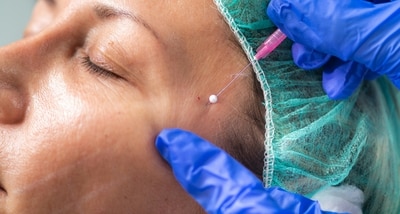
One such injectable product is called Elravie Re20, distributed in South Korea by Humedix. The company website states that the product is made from “freeze-dried human tissue” and warns that it “must be stored at room temperature (1 to 30°C) until opening of the package.”
Where is the tissue collected from?
The hot new treatment of “cadaver-derived skin injections” uses tissues derived from the skin of dead US citizens, reported Business Insider. The outlet reported that each year thousands of Americans donate their body tissue upon their deaths. The donated skin, which is worth tens of millions of dollars, goes from being stored in American tissue banks to biotech companies in South Korea.
“With tissue donation, there’s a lot of money at stake,” Ana Iltis, a professor at Wake Forest and also the former president of the American Society for Bioethics and Humanities, told Business Insider.
Further, in a statement, Humedix said that the skin tissue is obtained from deceased donors through US tissue banks.
Trend raises safety concerns
The product, however, has raised safety concerns among medical professionals. “The product is claimed to be acellular, meaning all cells have been removed and suggesting it’s sterile. But are bacteria found in cells only?” Dr Peter Pang Chi-wang, a plastic surgery specialist, told the South China Morning Post (SCMP). “The safety of the product has not been proven yet.”
Dr Chi-wang also disputed the claimed benefits of the product, saying that they remain uncertain. He said there are no records showing that the product could tighten skin or reduce pores.
Another dermatologist, Dr Kingsley Chan Hau-ngai, raised the question of possible infection that the product may cause. “Cadavers are not that clean, how can they ensure the pathogens are removed?” he said. “Also, how are the products stored? If they have been stored for a long time, there could also be bacteria, fungi or virus growing.” He added that the product sounded more like a gimmick.
Crackdown in Hong Kong:
These heightened medical concerns quickly triggered real-world enforcement in Hong Kong, where health officials raided clinics to seize illegal vials of the Korean cadaver-skin booster. Authorities confirmed the treatment has no regulatory approval, warning that administering unregistered human-derived products carries severe risks.


