


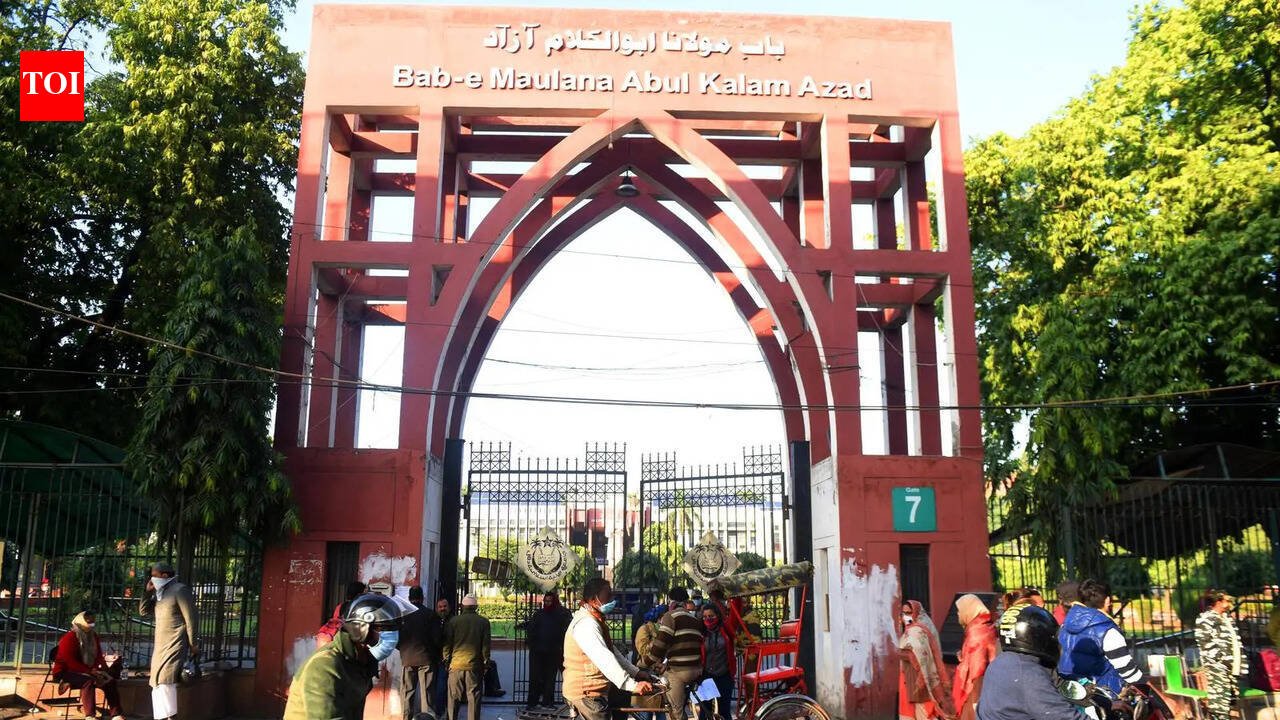
New Delhi: A Delhi court on Friday framed charges against former Congress MLA Mohd Asif Khan and 12 others in a 19-year-old case of mob violence, in which police alegedly were targeted. The court also slammed the prosecution’s investigation against 13 others in the same case, calling it “contrived”.In the order, Special Judge Vishal Gogne remarked on the police’s failure to conduct a test identification parade (TIP), which was a “requirement of essence and not just prudence.”The case is regarding violence on Sept 22, 2007, that allegedly broke out after police removed a market near a kabristan in Jamia Nagar during Ramzan, following complaints that it obstructed worshippers offering namaz.According to the prosecution, 400-500 people gathered outside the police post with sticks and stones, raised slogans against police. t was allegedly led by local political figures. Police alleged the mob attacked personnel, torched official vehicles, vandalised the post and opened fire, injuring several officers. The accused persons were broadly categorised into three groups — four named in the FIR and 12 named in the statement of police witness, inspector Akhilesh Yadav, including former Okhla MLA Asif Khan; those allegedly arrested from the spot; and others arrested or who were addec to the investigation later.While framing charges under provisions on unlawful assembly, rioting, arson and attempt to murder, Special Judge Gogne held that the prosecution material disclosed “a grave suspicion” regarding the existence of an unlawful assembly under Section 141 IPC.However, while dischanrging 12 other accused — one accused person died — the court questioned the credibility of their arrests and identification. The judge said the later arrests bore the “hallmarks of a contrived and pre-determined arrest” and had the “classic imprint of a concocted investigation” due to the absence of independent public witnesses.Judge Gogne said the identifying witnesses appeared to have been “roped in as stock witnesses” to create “a semblance of identification” .
