


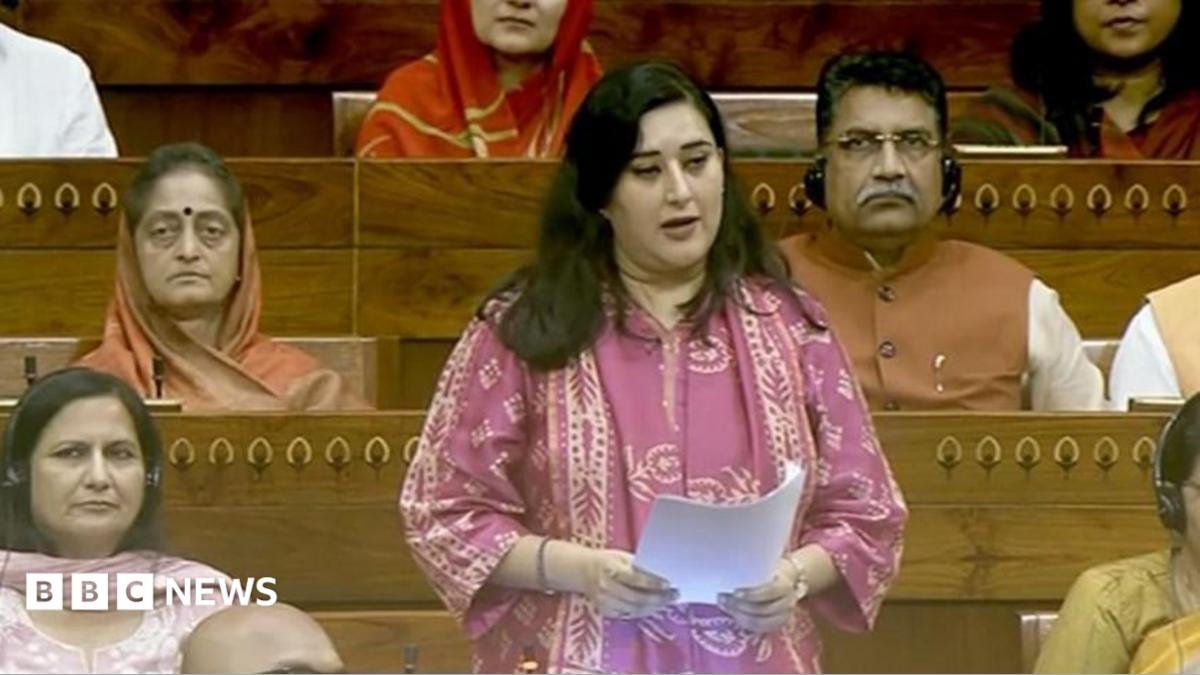
But internet slang is different. Unlike a Bollywood catchphrase or a cricketing cliché, it isn’t coined by scriptwriters or sporting heroes. It emerges from millions of online users, evolving collectively, mutating at breakneck speed and often disappearing as quickly as it appears.
That, says digital anthropologist Payal Arora, is what makes its journey into parliament significant.
“Language is often the first thing politics borrows when it is trying to connect with a new constituency,” she says.
But borrowing a generation’s vocabulary, she argues, is easier than engaging with the frustrations that produced it.
Using Gen Z slang signals “cultural awareness, not necessarily political transformation”.
In the days since the protests ended, the government has appeared increasingly uneasy about the movement’s digital afterlife. Authorities have sought the removal of some protest-related content, while police have pursued legal action against several students and activists linked to the demonstrations.
CJP leaders accuse the government of trying to intimidate protesters, making the withdrawal of those cases one of their key demands after Pradhan’s resignation. They have warned they will return to the streets if the cases are not dropped.
The protest’s internet humour also became one of its biggest points of contention.
Critics argued that memes, profanity and irreverent jokes trivialised a campaign fighting to strengthen India’s education system.
Supporters insisted irony was simply the language of a generation raised online – that humour and demands for accountability could comfortably occupy the same screen.
Whether parliament’s new lexicon endures remains to be seen. Internet slang moves fast, with trends often disappearing as quickly as they emerge.
One CJP protester, who asked not to be named, said hearing politicians adopt Gen Z slang left her distinctly unimpressed.
“Speaking our language isn’t going to impress us without meaningful change,” she said. “We want accountability, not politicians trying to copy us. That’s cringe.”
“We didn’t ask them to speak like us,” she added. “We asked them to listen.”
Follow BBC News India on Instagram, external, YouTube,, external X, external and Facebook, external.
