






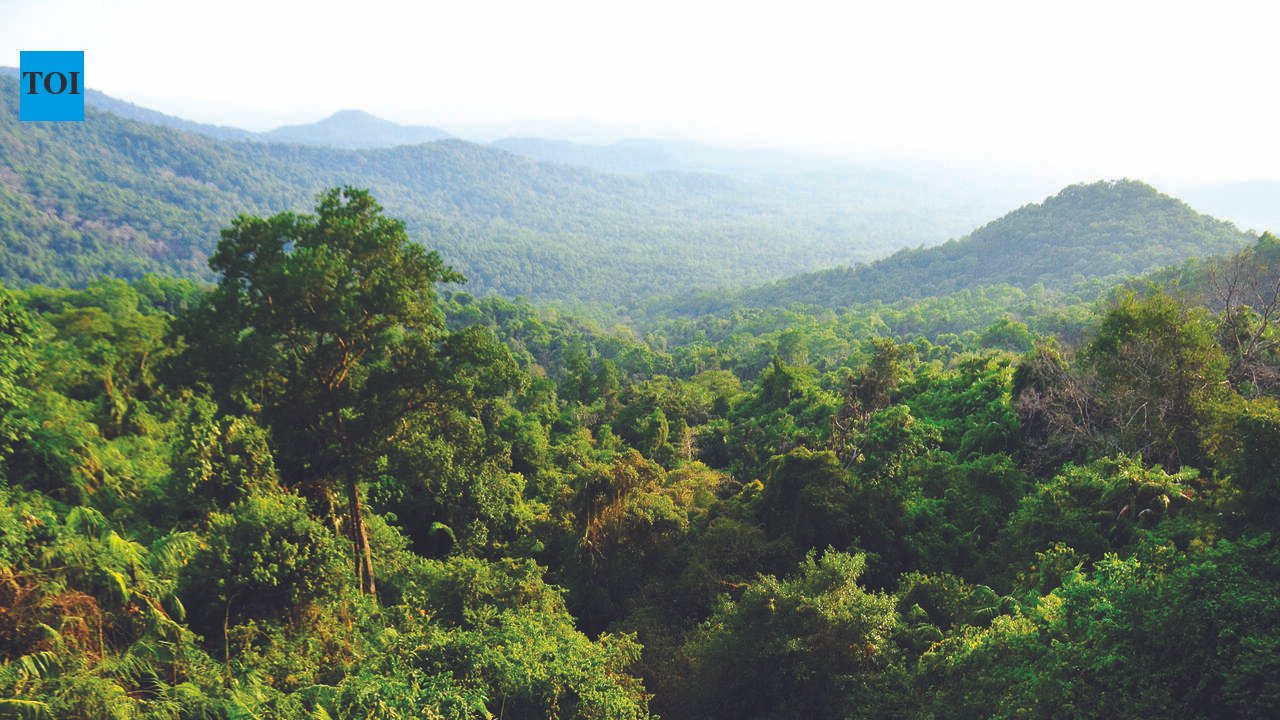
Pune: Citizens and environmental groups have submitted a detailed petition to the Union environment ministry demanding stronger safeguards in the latest Western Ghats Ecologically Sensitive Area (ESA) draft, including tougher review of pending projects, major infrastructure proposals and the cumulative impact of multiple developments.The draft proposes 56,825.7sqkm of ESA across Gujarat, Maharashtra, Goa, Karnataka, Kerala and Tamil Nadu, including 17,340sqkm in Maharashtra alone.In the petition submitted during the public consultation period for the July 27 draft, the group sought a landscape-level approach to environmental regulation in Western Ghats. “Developers should not be allowed to split large or interconnected projects into smaller components to avoid regulatory thresholds. We have sought cumulative impact assessments of roads, resorts, dams, transmission lines, tourism facilities and other construction activities within the same landscape,” citizen activist Vijaya Suratkal said.The group also demanded tighter scrutiny of hydropower, pumped-storage and major linear infrastructure projects, citing their potential impacts through tunnelling, blasting, forest diversion, road construction, transmission corridors and muck disposal. Any exemptions, they said, should be limited to essential connectivity for villages, schools and healthcare facilities.Another concern is the draft’s proposal to exempt projects whose applications were filed before April 17, 2013, but are still pending. Citizen representative Hema Chari said, “Such projects should not be evaluated under environmental norms that are more than a decade old.”The representation further sought a time-bound phase-out of existing thermal power plants and highly polluting red-category industries within ESA. While the draft prohibited new thermal power projects and new or expanded red-category industries, it allowed existing units to continue under prevailing regulations, the group said.They also questioned the ecological mapping used for ESA proposal, arguing that it relied on outdated data. They sought fresh assessments of biodiversity, watersheds, wildlife corridors, forest connectivity, landslide vulnerability and climate risks. “Where ecosystems have already been fragmented, the remaining natural areas become even more critical for maintaining ecological connectivity and water security,” Suratkal said.Chari said Centre should also address how the final boundaries were arrived at and the evidence used for any changes. “Affected citizens need access to the scientific basis for boundary changes, including the reasons for adding or removing particular villages,” she said.Accordingly, the representation has sought public disclosure of village-wise ecological assessments, scientific evidence and the ESA expert committee’s findings before the final notification is issued.The group also called for stronger protection of natural forests, wildlife corridors, key catchments and landslide-prone areas, arguing that plantations could not substitute for established natural forests.


