


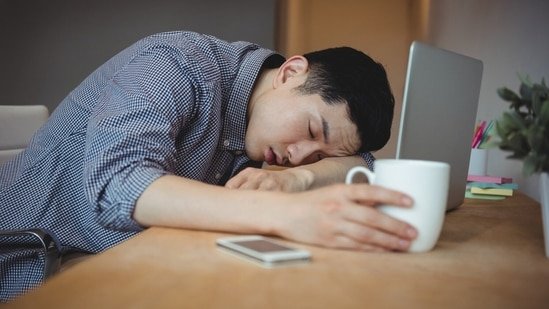
After eating lunch, the drowsiness that follows is hard to subdue, with eyes almost closing and yawns cascading one after another. While some amount of tiredness is expected, is there any cause for concern- or is it normal? Or if there are any factors, because of your oversight, further intensifying the post 3 pm fatigue.
ALSO READ: Sleeping late every night? Study says poor sleep makes your brain age faster
To understand what the 3 pm energy crash is, in a conversation with HT Lifestyle, Dr P Praveen Kumar Reddy, consultant physician at General Medicine, SRM Prime Hospital, Chennai, shared whether post-meal slump is normal.
Why does post-meal slump happen?
Dr Reddy agreed that this slump is scientifically recognised, a slowdown in human alertness that can be largely traced back to natural circadian rhythms, typically occurring between 1 pm and 4 pm.
How? He explained, “The phenomenon is often driven by a slight decrease in body temperature and a small release of the sleep hormone, like melatonin, causing increasing sleep pressure roughly 8 hours after walking or any work.”
Why do headaches happen in the late afternoon?
After lunch, you may notice headaches accompanied by heavy drowsiness. The doctor explained that this can happen due to mild dehydration, which also causes fatigue, revealing how important it is to stay hydrated. And the 3 pm timing is not random. Anyway, your body’s natural energy dips because of the circadian rhythm.
You have also eaten your lunch, so blood is directed towards the digestive system for digesting the food, which means the brain receives relatively less blood and oxygen, triggering drowsiness and headaches. Furthermore, in the afternoon, after lunch, one may not feel as thirsty, even if the body is mildly dehydrated. This lack of hydration can worsen fatigue and contribute to headaches, making the post-lunch slump feel more intense.
Which habit may worsen 3 pm slump?
Did you know your one habit can actually make your energy dip further after lunch? Dr Reddy named poor-quality sleep, along with regularly getting less than 7 hours of sleep. “Poor-quality sleep and consistently getting under 7 hours of sleep or poor-quality sleep due to any stress or apnea makes the afternoon dip much more severe than this one,” he explained. The morning grogginess eventually carries into the day, making the natural post-lunch dip more intense and stronger, and incredibly harder to shake off.
Don’t feel guilty about dipping focus after lunch or assume you ate too much; this slump is scientifically recognised. What you can do is instead stay hydrated to avoid dehydration and maintain a healthy sleep cycle.
Note to readers: This article is for informational purposes only and not a substitute for professional medical advice. Always seek the advice of your doctor with any questions about a medical condition.
