



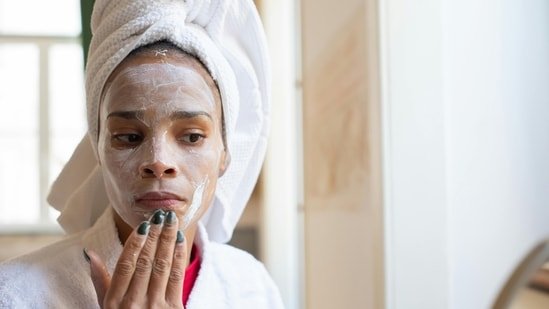
Every few months, a new skin trend takes over our feeds, and the latest obsession is ‘glazed donut skin.’ Made famous by Hailey Bieber, it promises a lit-from-within, almost wet-looking luminosity, and skincare shelves are suddenly full of products claiming to deliver it. But here is a question nobody seems to be asking: was this trend designed for Indian skin in the first place? In an interview with HT Lifestyle, Dr Ridhima Arora, Dermatologist, MBBS, MD (Dermatology and VD), Malik Radix Healthcare, decodes the trend for Indian skin type.
Also read | Dermatologist shares 7 simple ways to manage acne without overcomplicating your skincare routine
What is Glazed Donut skin?
Dr Ridhima said, “The glazed donut look is essentially extreme hydration layered with reflection, a combination of plumped-up skin texture and a dewy, almost shiny finish.” “The routine behind it typically involves a hydrating toner, a hyaluronic acid serum, a rich moisturiser, a facial oil, and sometimes a highlighter or balm as a topcoat,” she added. When it works, it looks incredible. When it doesn’t, and for many Indian skin types it doesn’t, it looks greasy, highlights pores, and can trigger breakouts.
The Indian skin context
According to Dr Arora, Indian skin is biologically and climatically different from the Western skin types most beauty trends are built around. A few realities worth understanding: We have higher sebum production. Add India’s humid climate to that, particularly in cities like Mumbai, Chennai, or Delhi in summer, and layering multiple occlusive products becomes a recipe for congestion, not a glow.
“Acne and post-inflammatory hyperpigmentation (PIH) are our two biggest skin concerns. The glazed donut routine, if not adapted correctly, can worsen both. Heavy facial oils and rich balms over oily, acne-prone skin clog pores and aggravate breakouts, and when Indian skin breaks out, it scars darker and longer,” said Dr Arora.
Our skin has more melanin, which protects against UV damage but also makes us more reactive to certain ingredients. Anything that increases skin permeability without adequate sun protection afterwards puts us at higher risk of pigmentation.
What actually works for Indian skin?
Dr Arora highlighted that Hyaluronic acid works, but applies it right. It is a humectant that draws moisture to the skin and is safe for all skin types. Apply to damp skin and follow with a lightweight moisturiser to seal it in. Skip the facial oil on top if your skin is already oily.
Niacinamide is your best friend. It regulates sebum, reduces the appearance of pores, and gives skin a subtle, even-toned brightness – a ‘calm glow’ as opposed to a ‘wet glow.’ For Indian skin, niacinamide at 5–10% is genuinely effective.
Centella asiatica and ceramides strengthen your barrier. A healthy, intact skin barrier naturally looks plump and glowing. You do not need a highlighter on top; you need a barrier that is functioning well. These ingredients do exactly that without clogging pores.
What doesn’t work and why?
Heavy occlusive balms as a topcoat. A trend that emerged alongside glazed donut skin involved applying a thick petroleum-based balm or slug product as the final step of a nighttime routine. “For dry skin in cold climates, this is fine. For oily or acne-prone Indian skin, especially in summer, this is the fastest route to closed comedones. Layering five or more products without understanding each one is where things go wrong,” explained Dr Arora.
Skipping sunscreen in pursuit of the glow is the single worst decision you can make, particularly with Indian skin. UV exposure is the number one driver of pigmentation, uneven tone, and premature ageing.
The Indian Glazed donut routine
Here is what an Indian-skin-friendly routine actually looks like:
Step 1 – Gentle, low-pH cleanser that does not strip the barrier.
Step 2 – Hydrating toner with ceramides or panthenol (skip any with alcohol or fragrance).
Step 3 – Niacinamide + HA serum applied to damp skin.
Step 4 – Lightweight gel-cream moisturiser (for oily skin) or a richer ceramide cream (for dry/combination).
Step 5 – Broad-spectrum SPF 50+ PA++++ in a non-greasy, skin-finish formula. This is non-negotiable.
Note to readers: This article is for informational purposes only and not a substitute for professional medical advice. It is based on user-generated content from social media. HT.com has not independently verified the claims and does not endorse them.


