






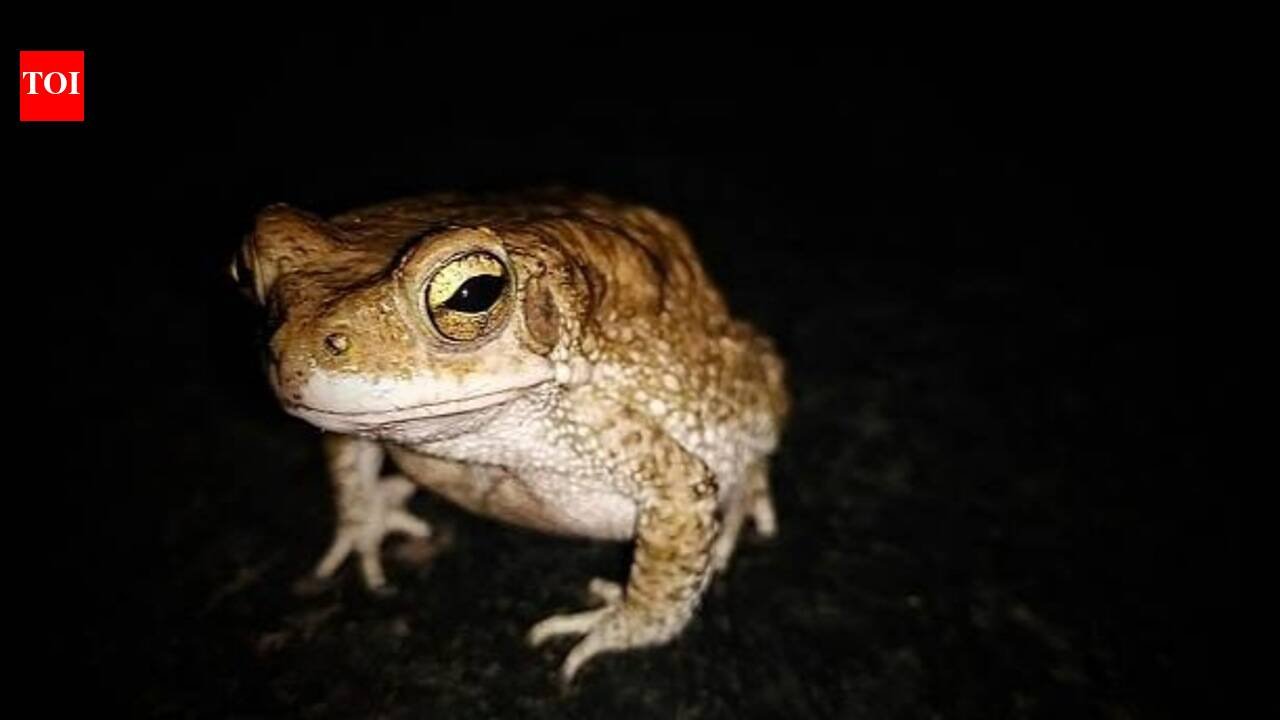
Some solutions turn out to be far worse than the problem they were meant to fix, and Australia’s cane toad story is perhaps the most famous example. In 1935, the government brought toads from Hawaii to Queensland, hoping they would eat the beetles destroying the state’s sugar cane. Nearly 91 years later, there are an estimated 200 million of them, and they’ve become an unstoppable ecological headache. According to BBC report, these toads are a triple threat: they are enormous, poisonous and remarkably adaptable. Here’s how a pest-control plan turned into a national disaster.
A beetle problem in Queensland’s cane fields
Sugar cane was big business in Queensland, and beetles were wrecking it. The beetle larvae lived underground and fed on the roots of the plants, which slowed their growth or killed them altogether. Farmers and officials were desperate for a natural fix. The idea came from elsewhere: cane toads, native to South America, had been taken to Puerto Rico to control grubs that were damaging sugar cane, and later to Hawaii for the same beetle trouble. If the toads could help there, the thinking went, why not in Australia?
The 1935 gamble
According to the National Museum of Australia, entomologist Reginald Mungomery, who worked with the Bureau of Sugar Experiment Stations, travelled to Hawaii in 1935 and captured a breeding sample of toads. He brought them home to Gordonvale, near Cairns, where they bred successfully in captivity. That same year, the Australian government released 2,400 toads in the area, hoping the amphibians would gobble up the grubs and protect the crop. It was a hopeful, well-meant plan, but it was launched with little idea of what would follow.
Why the toads didn’t do the job
To officials’ disappointment, the toads had no effect on the beetle population. There were several reasons. The cane fields didn’t give the toads enough shelter during the day, the beetles live on top of the sugar cane, and cane toads aren’t good climbers, so they simply couldn’t reach them. What they did find was a warm, humid climate and almost no larger predators to keep them in check. Instead of eating the pests they were brought in for, they thrived, multiplied quickly and became a much bigger threat than anyone had imagined.
How far they spread
At first, the toads spread slowly, but by 1959 they had established themselves across much of Queensland’s eastern coast. They reached the Gulf of Carpentaria in 1964, crossed into New South Wales by 1978, and hit the Queensland–Northern Territory border by 1984. By 2011, their population was estimated to exceed 200 million. The invasive species has also been linked to disease transmission and to disruption of native biodiversity, which means the damage goes well beyond the numbers.
A poisonous problem for native wildlife
Cane toads carry a strong toxin called bufotoxin, and they’re dangerous at every stage of life, including as eggs and tadpoles. The poison is fatal to many predators that eat them, while skin contact may cause only mild irritation to human eyes. The Queensland Government says at least 75 species of Australian crocodiles, lizards and freshwater turtles are endangered because of the toads. Monitor lizards, quolls, tiger snakes and freshwater crocodiles are among the animals at risk of deadly poisoning, and many of them are already considered threatened. The toads also compete with native animals for food and space.
The toll in the Northern Territory
A preliminary risk assessment for Kakadu National Park identified native species eating the poisonous toads as the greatest risk to biodiversity. Competition for food and resources, and predation on native animals by the toads, were judged to be relatively minor concerns, though further study was recommended. In the Northern Territory, several goannas, a type of lizard, have been reported dead after eating cane toads. Their deaths have also been linked to a rise in the number of intact saltwater crocodile eggs, a reminder of how one invader can ripple through an entire food web.
Disclaimer:
This article is based on published reports and public records. Population figures are estimates and release numbers vary between sources, so they may not be exact. Cane toad toxin can be dangerous to pets and people. Avoid handling the toads, keep pets away, and seek veterinary or medical help promptly after any contact.


