



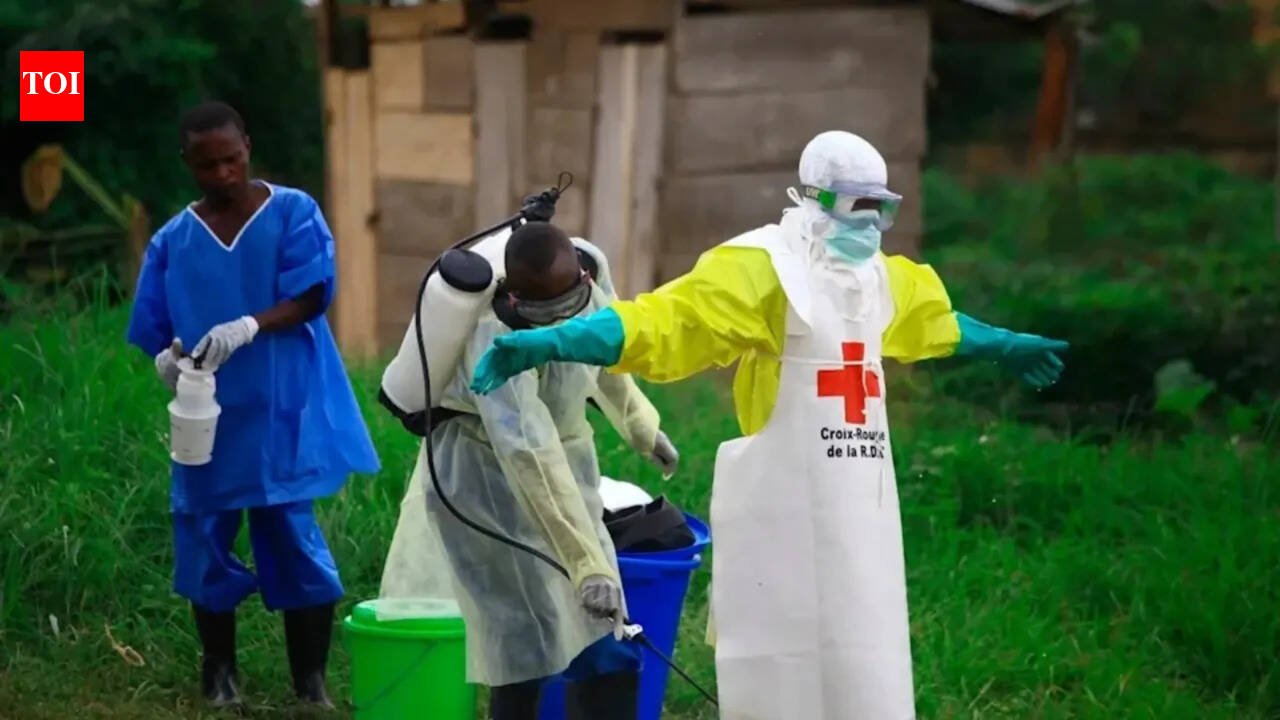
Ebola’s death rate had become alarmingly high. 88 people have already died in Congo, and health officials are scrambling to keep the outbreak from crossing into Uganda and South Sudan.Per Al Jazeera, this whole crisis started in Congo’s Ituri province, which is no stranger to conflict. Things got really serious fast, and now the World Health Organization has called the situation a “public health emergency of international concern.” Emergency teams are watching hundreds of suspected cases, trying to keep things from spinning out of control. What’s making scientists especially nervous is that this outbreak is linked to the Bundibugyo strain, which is a rare version of Ebola without a fully licensed vaccine, unlike the Zaire strain that dominated previous outbreaks.So, naturally, a lot of people are worried and asking: Can Ebola sneak through populations undetected, spreading silently among people who aren’t showing any symptoms?
Can Ebola spread undetected?
Before we answer that question, let’s first understand what Ebola actually is.For the unversed, Ebola is like a nightmare disease, and for good reason. It causes Ebola virus disease (EVD), a severe illness that attacks multiple body systems. The virus damages your blood vessels, organs, and immune system. In bad cases, you get widespread inflammation, internal bleeding, organ failure, and shock. Some outbreaks have seen mortality as high as 90%, depending on the strain, healthcare, and speed of treatment.The short answer to the aforementioned question, according to WHO and most infectious disease experts: It’s pretty unlikely. Ebola just isn’t known for stealthy transmission. If someone’s infected but doesn’t have symptoms yet, almost all evidence says they aren’t contagious. Ebola spreads when you touch the bodily fluids of someone who’s already sick. That’s one reason it’s not as contagious as airborne viruses like COVID or measles.But once symptoms start, especially those later, scarier stages, the virus becomes extremely contagious. We’re talking blood, vomit, diarrhea, saliva, sweat, urine, breast milk… pretty much any bodily fluid. And since the early symptoms can look like a regular flu or stomach bug, some patients end up exposing family and caregivers before doctors realize it’s Ebola. That delay in recognition is making the Congo outbreak even harder to handle.
Where does the spread stand now?
According to reports from Reuters and local health officials, it began with a nurse in Bunia. After she fell ill, Ebola spread rapidly through health facilities and nearby communities. Now, the violence and instability in eastern Congo are making containment nearly impossible: armed conflict, people fleeing their homes, bad sanitation, and fragile hospitals give the virus a perfect environment to explode.WHO says they’re monitoring 246 suspected cases, and Uganda has already confirmed infections linked to travelers coming from Congo. One infected person died in Kampala after crossing the border. Public health teams are rushing to trace contacts and build isolation wards, to do anything to keep things from spilling over.
How to tackle Ebola?
Despite all the panic, experts keep reminding folks that Ebola doesn’t spread via casual contact. You won’t catch Ebola just by walking past someone or breathing the same air. You need direct contact with infected fluids or contaminated items, like sheets or medical equipment. Traditional burial practices, touching the dead, have also played a big role in past outbreaks.It’s true; Ebola is terrifying for a reason. WHO puts the average fatality rate at about 50%, but some outbreaks have gone as high as 90%. This Bundibugyo strain worries officials because it’s less understood.As for the symptoms, they start anywhere from two to 21 days after exposure, though most show up in about four to ten days. It kicks off with what looks like the flu: fever, weakness, muscle pain, fatigue, sore throat, chills, headaches, and loss of appetite. After that, things can go downhill fast: vomiting, diarrhea, abdominal pain, nausea, dehydration, and more. Sometimes patients get rashes, confusion, chest pain, trouble breathing, kidney or liver problems, and internal or external bleeding. That blood isn’t always dramatic, but when it happens, it’s serious.The biggest warning sign, per doctors, is how quickly someone’s condition can deteriorate. One day, it seems like a routine illness; the next, the patient’s critical.That’s why early diagnosis and strong supportive care matter so much. If you can get rapid hydration, electrolytes, oxygen, and intensive treatment right away, your odds of surviving jump dramatically.
What’s ahead
This new crisis is stirring up memories of the massive West African epidemic from 2014–2016 that killed over 11,000 people across Guinea, Liberia, and Sierra Leone. That disaster exposed huge gaps in global preparedness and changed how countries respond to outbreaks.Nowadays, response teams are better organized and faster, but the challenges remain enormous. Conflict zones make it tough to track infections. People sometimes don’t trust the authorities. Remote villages lack basic medical care. And fear can drive infected people to hide their symptoms or avoid hospitals altogether.Right now, the WHO says the international risk is serious but, if handled well, manageable. There’s no sign Ebola is spreading through people with no symptoms, and with early detection and coordinated responses, outbreaks are controllable.But the next few weeks are going to be critical. As for the health teams, they’re now scrambling to isolate cases, watch borders, and educate communities about the warning signs.


