



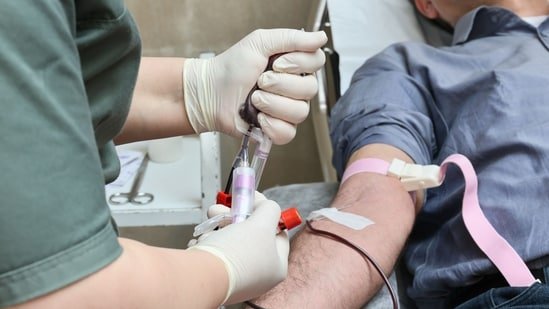
Blood donation is a noble act that helps save lives. However, several misconceptions continue to deter potential donors. One common myth is that donating blood can cause weight gain or even lead to obesity.
Weighing in on how true this belief is and what the reality looks like, Dr J.P Jadwani, consultant physician at Lilavati Hospital and Research Centre, addressed this misconception and clarified what happens inside the body after blood donation.
He also revealed who can benefit from donated blood and why eligible, healthy individuals should not allow such fears to stop them from donating.
Does donating blood cause obesity?
The doctor debunked this myth, saying it is ‘far from the truth.’
Instead, there are actual benefits of donating blood. He shared, “The truth is that when you donate blood, you actually burn some excess calories after your donation, when your body starts replenishing the blood you donated.”
Dr J. P. Jadwani’s insight stands in sharp contrast to this myth. He also explained why some people may think they have gained weight after donating blood, highlighting that it may be linked to individual lifestyle choices rather than donation itself.
“Obesity is the result of an improper diet and lifestyle and has no relation to blood donation. However, some people, after donating blood, tend to eat more food than normal and avoid exercising for a long time, thinking it might put too much pressure on a weak body; this may cause weight gain, but it is not directly connected to blood donation,” Dr Jadwani dispelled the myth.
So, weight gain after blood donation depends largely on how you lead your lifestyle. If you stop exercising for a long time, become sedentary, eat a lot of unhealthy food or spend too much time in front of screens, under the assumption that your body is weak, so you should rest, you may gain weight. It has nothing to do with blood donation itself.
The physician recommended following a rainbow or Mediterranean-style diet or simply eating balanced meals containing fibre, healthy fats and protein. Regular movement and a balanced diet help you stay healthy, and you don’t gain weight.
Who can donate blood?
“Anyone between the ages of 18 and 65 can become a blood donor, provided they are healthy and have no transmissible infections,” Dr Jadwani said, outlining the eligibility criteria.
Another common question is how much blood is collected during donation. Addressing this doubt, he said, “On average, during blood donation, about 350 to 450 millilitres of blood is taken. This does not impact human beings as, on average, we have about five litres of blood in the body. One can recover the donated blood in almost three months”
Some may believe that it takes a lot of time to recover, but as the doctor mentioned, the healing journey is completed within three months.
What are the other benefits of donating blood?
While it may seem that the primary benefit is for those people who immediately need transfusions, including accident victims, cancer patients, and people undergoing major surgery, Dr Jadwani believed your body also benefits.
He described how the body responds after blood is donated: “When you donate, your body compensates for the lost blood by producing new red blood cells and plasma.”
In the end, it is important to acknowledge that blood donation is a noble cause and voluntary donation is an essential part of healthcare.
Note to readers: This article is for informational purposes only and not a substitute for professional medical advice. Always seek the advice of your doctor with any questions about a medical condition.


