



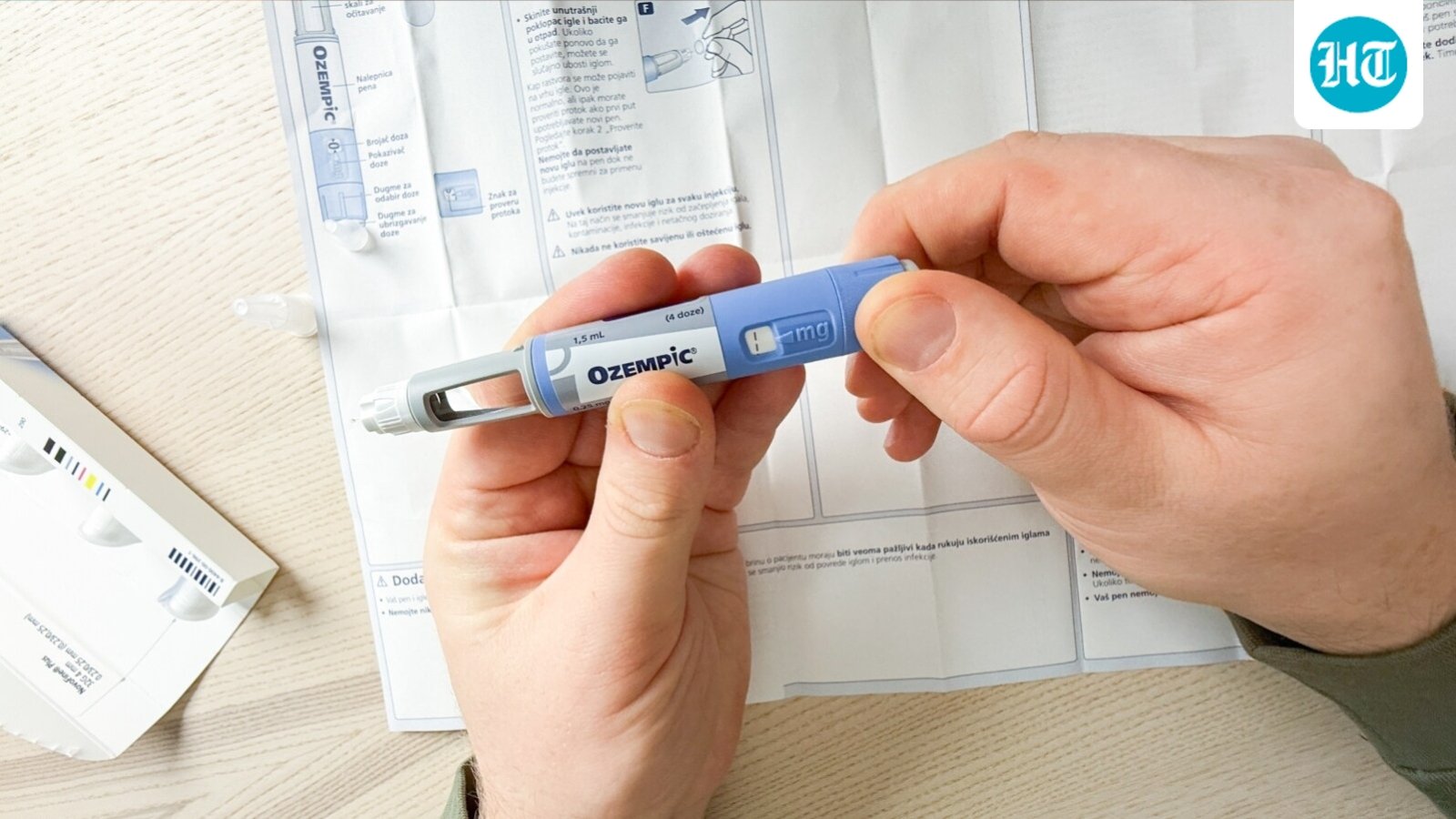
GLP-1 receptor agonists have quickly become some of the most talked-about medicines for managing type 2 diabetes and supporting weight loss. Drugs such as semaglutide help reduce appetite, improve blood sugar control, and make people feel fuller for longer. But with their growing popularity has come another worrying trend—the rise of counterfeit GLP-1 medicines. These fake products may contain the wrong ingredients, the wrong dose, harmful contaminants, or even no active medicine at all. Using them can delay treatment, worsen your condition, and even lead to serious health complications.
Dr Saurabh Bansal, Senior Consultant – General and Laparoscopic Surgery, Apollo Spectra Hospital, Delhi, tells HealthShots that knowing how to identify genuine GLP-1 medicines is now more important than ever.
Why are fake GLP-1 drugs so dangerous?
Unlike genuine medicines, counterfeit GLP-1 drugs do not go through strict quality checks. Dr Bansal explains that fake injections may contain incorrect ingredients, unsafe contaminants, or the wrong amount of medicine. In some cases, they may not contain the active drug at all. This means patients may believe their treatment is working while their diabetes or obesity continues to worsen. Contaminated products can also trigger allergic reactions, infections, or other serious side effects.
4 warning signs that your GLP-1 medicine may be fake
1. The price seems too good to be true
Authentic GLP-1 medicines are prescription drugs. Be cautious if they are sold at unusually low prices, promoted through social media ads or direct messages, or offered without a valid prescription. These are common warning signs of counterfeit medicines.
2. Check the packaging carefully
Before opening the medicine, inspect the box closely. Watch for spelling mistakes, poor-quality printing, damaged or broken seals, missing batch numbers, or missing expiry dates. Dr Bansal says, “These packaging errors can indicate a fake product.”
3. Compare the injection pen
If you have used the medicine before, compare the new pen with your previous prescription. Differences in colour, branding, labels, or the overall design should not be ignored. Even small changes may be a sign that the product is not genuine.
4. Look at the medicine inside
Most GLP-1 injections should appear clear. If the solution looks cloudy, discoloured, or contains floating particles, do not inject it. Instead, consult your pharmacist or healthcare provider immediately.
What should you do if you suspect a fake GLP-1 drug?
If you think your medicine may be counterfeit, stop using it immediately. Contact both your doctor and the pharmacy where you purchased it, and report the batch or lot number if possible. Seek urgent medical attention if you experience unexpected nausea, vomiting, dizziness, allergic reactions, or signs of infection after using the injection.
Buy only from trusted sources
Dr Bansal advises that GLP-1 medicines should always be purchased from licensed pharmacies after consulting a registered healthcare professional. While these medications can be highly effective for diabetes and weight management, their benefits depend on using authentic products under proper medical supervision. Taking a few minutes to check your medicine before injecting it could protect your health and prevent serious complications.
(Disclaimer: This article is for informational purposes only and is not a substitute for professional medical advice. Always seek the advice of your doctor with any questions about a medical condition.)


