






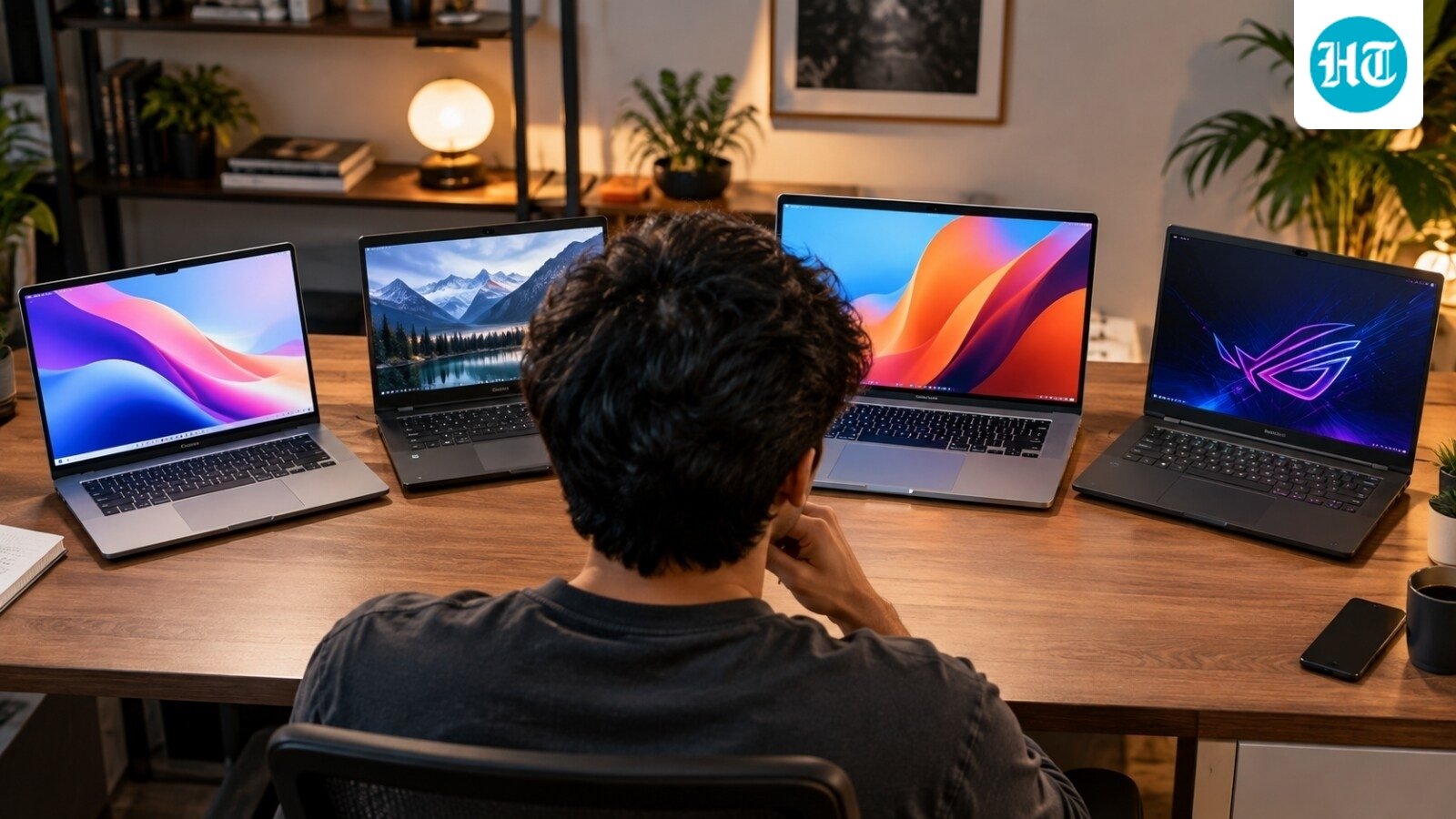
Every time a friend or colleague asks me to help them pick a laptop, the conversation usually starts the same way: what’s the cheapest one that’ll get the job done? It’s a fair question, but it’s also the wrong one to start with. The right laptop budget in 2026 depends far less on how little you can spend and far more on what you’ll actually be doing with the machine for the next three or four years. Prices have shifted, specs that used to be premium are now standard, and what counted as a good deal two years ago might not hold up the same way today. Here in this article, I’ll break down how to think about your laptop budget properly, so you don’t end up overpaying for power you’ll never use, or underpaying for a machine that frustrates you within a year.
Start with what you actually do, not what looks impressive
Before you look at a single price tag, be honest about your usage. If your day involves browsing, emails, video calls and document work, you genuinely don’t need a laptop built for video editing or gaming. On the other hand, if you’re a student juggling design software, or someone who edits video or works with large spreadsheets regularly, buying underpowered will cost you more in frustration than you’ll save in rupees. The mistake most buyers make isn’t spending too much or too little; it’s spending based on the wrong assumptions about their own usage.
Why 8GB of RAM no longer feels like enough
A few years ago, 8GB of RAM was a perfectly reasonable amount for a mid-range laptop. In 2026, with browsers eating memory across dozens of tabs, background apps constantly syncing, and software generally getting heavier, 8GB can start to feel tight surprisingly quickly, even for fairly ordinary multitasking. This is one of the clearest examples of how the sensible baseline has quietly moved up. If you’re buying today, 16GB is worth treating as the realistic starting point rather than an upgrade you can skip to save money.
Processor and storage: where the real performance difference sits
Processor choice affects how smoothly your laptop handles multiple things at once, and storage affects both speed and how much you can keep on the device without constantly juggling files. A solid-state drive, commonly called an SSD, is significantly faster than the older hard disk drives, and thankfully most laptops in every price bracket have moved to SSDs by default now. Where the real difference between budget tiers shows up is SSD speed and capacity, along with how well the processor holds up under sustained, heavier use rather than just quick, light tasks.
Build quality and display matter more than they get credit for
It’s easy to fixate on numbers like RAM and processor generation and forget that you’ll be touching the keyboard, trackpad and hinge every single day, and looking at the screen for hours. A laptop with a slightly weaker processor but a sturdier chassis and a better display can genuinely feel nicer to use daily than one that wins on paper but feels cheap in hand. If you can, spend a few minutes with the laptop in person, or read detailed reviews that talk about build quality and screen experience, not just spec sheets.
When spending more actually pays off
Spending more makes sense when your work genuinely demands it, when you plan to keep the laptop for several years, or when you know upgradability is limited and you’d rather buy enough machine upfront than regret it later. It also makes sense if you value things like a lighter chassis for travel, a better display for long reading or editing sessions, or simply a build that feels like it’ll survive daily use without babying it. None of these are impulse reasons; they’re practical ones that pay off over the life of the laptop.
When it’s smarter to spend less
If your usage is genuinely light, a laptop mainly for browsing, streaming and basic work, spending extra for a high-end processor or premium build is money spent on capability you’ll likely never use. Similarly, if you’re buying a laptop for a short-term need, a student heading into their final year, for instance, an entry or mid-range option that comfortably meets today’s needs makes more financial sense than stretching your budget for years of use you won’t get.
Long-term value: think in cost per year, not just upfront price
A laptop that costs more upfront but lasts five comfortable years is often better value than one that’s cheaper today but needs replacing in two. Divide the price by how many years you realistically expect to use it well, not just how many years it technically survives, and the picture usually becomes clearer. A laptop that becomes frustratingly slow in year two is rarely the bargain it looked like on day one.
Budget tiers at a glance
Disclaimer: At Hindustan Times, we help you stay up-to-date with the latest trends and products. Hindustan Times has an affiliate partnership, so we may get a part of the revenue when you make a purchase. We shall not be liable for any claim under applicable laws, including but not limited to the Consumer Protection Act, 2019, with respect to the products. The products listed in this article are in no particular order of priority.


