


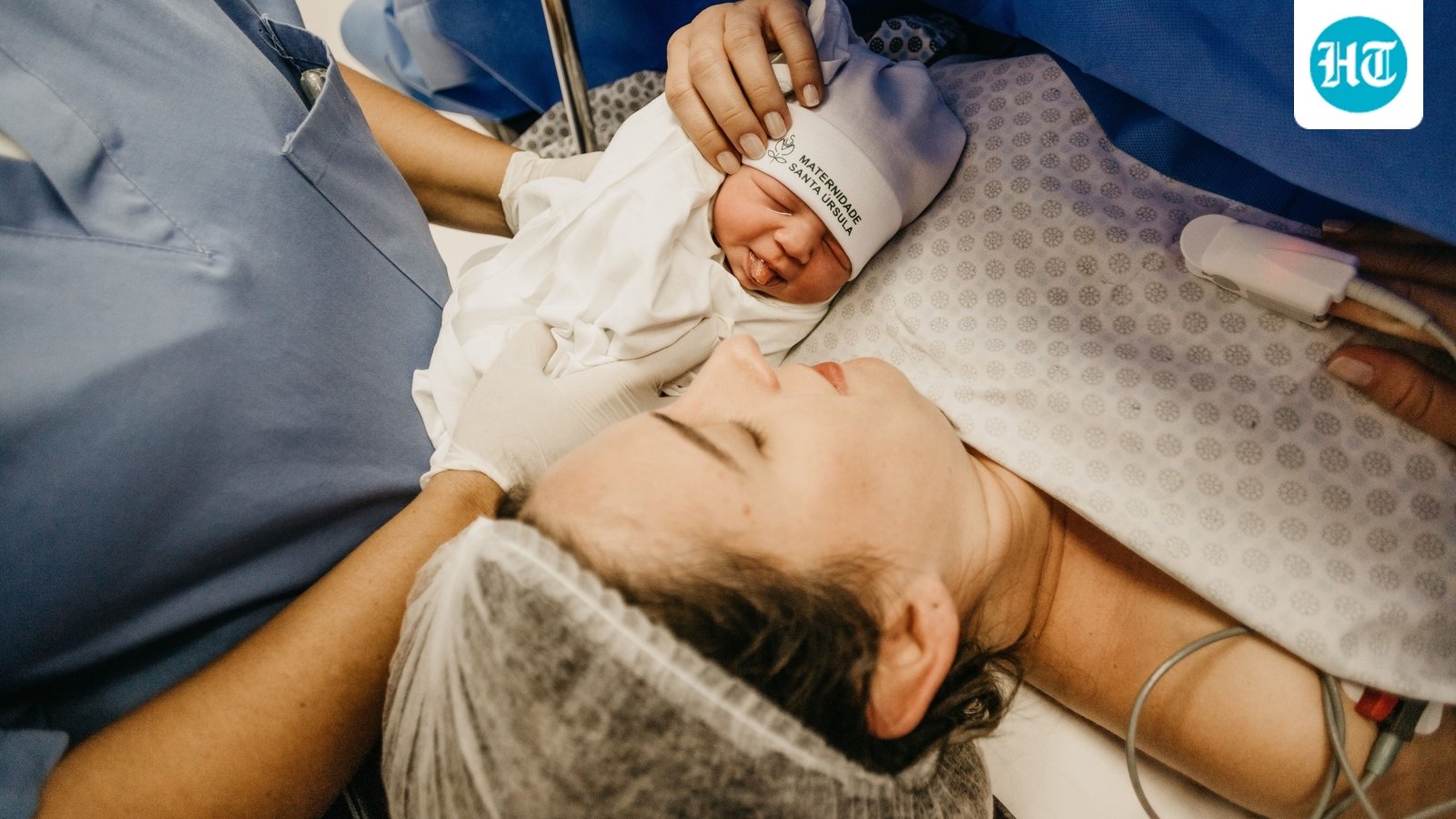
A caesarean birth changes how your baby is delivered, but it does not prevent successful breastfeeding. Many mothers worry that surgery, pain, or medicines will delay milk production. In practice, most women can breastfeed after a C-section, although the first few days may require more support and patience than after a vaginal birth. In an interview with HT Lifestyle, Dr Srimukhi Anumolu, consultant, pediatrics and neonatology, Manipal Hospitals, Vijayawada, shared what new mothers can expect.
Also read | Breastmilk pumping: Neonatologist Dr Avadhesh Ahuja shares its benefits and challenges faced by modern moms
Breastfeeding after C-section
Dr Srimukhi highlighted that the biggest challenge is often the recovery from surgery rather than breastfeeding itself. You may feel sore while changing positions or lifting your baby. Some mothers experience a slightly delayed onset of mature milk, especially after an emergency caesarean, prolonged labour, or significant blood loss. Even then, your body usually continues the normal process of producing milk.
“The first hour after birth remains valuable. If both you and your baby are stable, skin-to-skin contact and an early attempt to breastfeed can encourage milk production and help your baby learn to latch,” said Srimukhi.
Getting started while recovering
Dr Srimukhi highlighted that during the first 24 to 48 hours, your baby receives colostrum, a concentrated form of milk that is produced in small amounts. While the volume may appear low, it is usually enough for a healthy newborn’s stomach, which is only about the size of a cherry on the first day of life.
“Pain after surgery can make feeding uncomfortable. The answer is not to delay breastfeeding but to find positions that reduce pressure on your incision,” said Dr Srimukhi. The football hold, side-lying position, or breastfeeding while supported with pillows often makes feeding easier. A nurse or lactation consultant can help you find a position that works for your body.
Most medicines prescribed after a caesarean, including commonly used pain relief, are considered compatible with breastfeeding. Good pain control is important because a mother who is comfortable is more likely to feed frequently and effectively.
Common concerns during the first week
It is common for babies born through caesarean delivery to be sleepier during the first day. That does not always mean they are being fed poorly. Watch for signs such as swallowing, regular wet diapers, and steady weight monitoring rather than relying on the length of each feed alone.
Dr Srimukhi advises that you should aim to breastfeed eight to 12 times in 24 hours. Frequent feeding stimulates milk production. If your baby has difficulty latching or is separated from you for medical reasons, expressing milk by hand or with a breast pump within the first few hours may help protect your milk supply.
When to ask for help
Some discomfort is expected, but severe nipple pain, persistent difficulty with latching, poor weight gain, or fewer wet diapers than expected deserve prompt attention. Early guidance often prevents small feeding problems from becoming larger ones.
Every caesarean recovery is different. You may need a little more time to regain mobility, yet that rarely determines your ability to breastfeed successfully. With appropriate pain relief, practical positioning, and timely support, most mothers are able to establish breastfeeding and continue it with confidence over the following weeks.
Note to readers: This article is for informational purposes only and not a substitute for professional medical advice. Always seek the advice of your doctor with any questions about a medical condition.
