


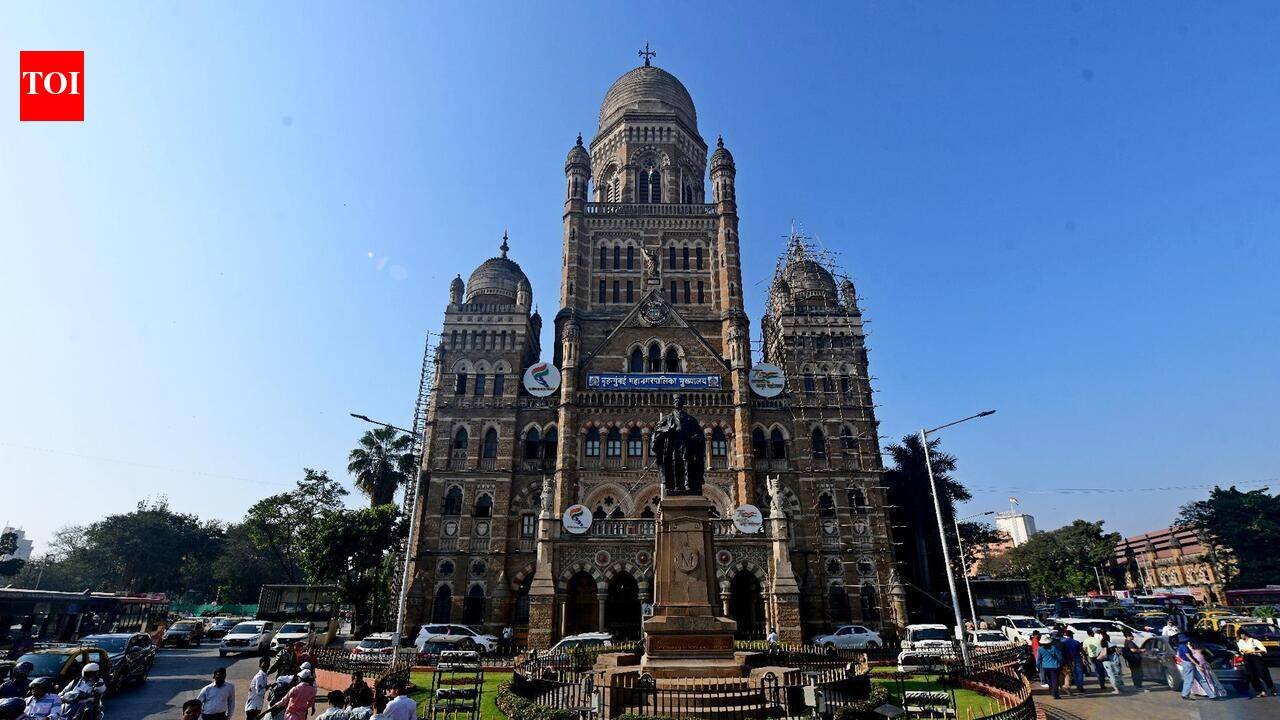
Mumbai: BMC has collected a little over Rs 70 lakh in penalties and booked 4,006 violators since the city’s new Solid Waste Management (SWM), Cleanliness and Sanitation Bye-laws came into force on April 1.The objective of the penalties was “not revenue generation, but behavioural change”, said the civic administration, adding that enforcement must become a part of daily sanitation management rather than an occasional drive.Civic officials said Rs 23.1 lakh of the total penalty amount has been recovered specifically from offenders involved in illegal dumping and unauthorised transport of construction and demolition (C&D) waste, one of the biggest contributors to recurring garbage hotspots across the city.Mumbai generates around 8,000 tonnes of C&D waste daily due to redevelopment projects, Metro construction, road concretisation and large-scale excavation works.Under the new bye-laws, dumping construction and demolition waste illegally or at unauthorised locations attracts a fine of Rs 20,000 per vehicle, while transporting construction and demolition waste without a permit Rs 25,000 per vehicle. The action has been taken by junior supervisors, who have been empowered under the 2025 bye-laws to issue penalties and enforce cleanliness regulations at the ward level.Under these bye-laws, BMC has also specified penal action for 21 types of offences, including throwing garbage on roads/lanes/footpaths/gardens/public places (Rs 500), spitting (Rs 250), bathing in open and public places (Rs 300), urinating (Rs 500), defecating (Rs 500), feeding animals or birds in open spaces and public places (Rs 500), washing utensils/clothes/any other items in public places (Rs 300), and washing vehicles (Rs 500).Recently, while reviewing the drive, municipal commissioner Ashwini Bhide directed all 25 ward offices to significantly intensify enforcement, with a focus on garbage-vulnerable locations, construction sites, markets, highways and other public places.Under the fresh directions, ward teams have been asked to step up surveillance and take strict action against illegal dumping of garbage and C&D waste, open dumping on roads and footpaths, repeat offenders creating chronic garbage spots, unauthorised transport of construction debris and commercial establishments violating the SWM bye-laws.The civic administration expects stricter field supervision and sustained penalties to reduce recurring dumping points and improve visible cleanliness across Mumbai. Officials have also been instructed to identify habitual offenders and initiate stronger action under the provisions of the new bye-laws.The SWM Bye-laws, 2025 replaced the earlier enforcement framework and gave ward-level officials greater powers to penalise violations related to littering, waste segregation, illegal dumping and sanitation-related public nuisance.
