





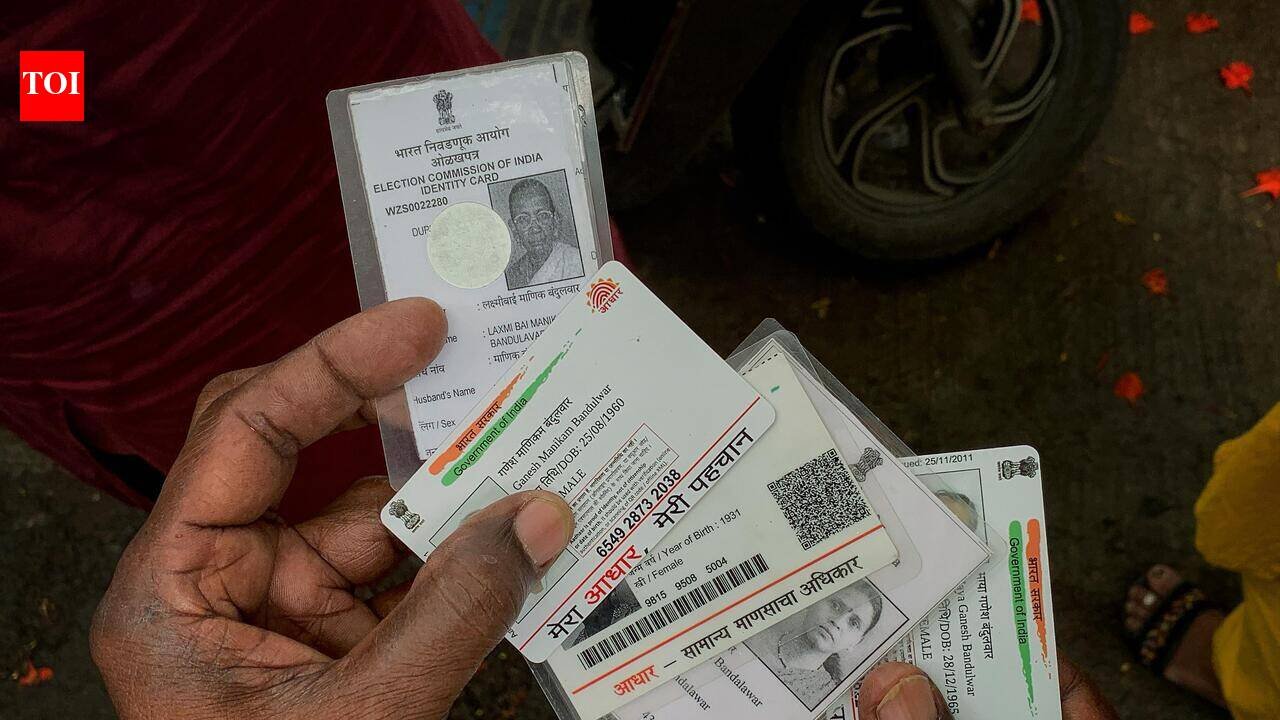
Pune: Booth-level officers (BLOs) have stepped up door-to-door verification under the Special Intensive Revision (SIR) of electoral rolls, with many collecting supporting documents from voters during home visits to minimise the need for them to appear before electoral registration officers (EROs).The exercise comes amid rapid urbanisation, addressing mismatches and difficulties faced by several voters in producing documents or attending hearings. Officials said the initiative hopes to make the revision process more citizen-friendly and accurately update the electoral rolls.Seema Chavan, a resident of Kondhwa, said the BLO visiting her home advised her to submit a copy of her school leaving certificate during the visit. If found satisfactory, it could reduce the likelihood of her being called for a hearing later.A BLO from Kondhwa said photocopies of supporting documents are being collected and verified during field visits wherever required, but a final decision on whether a voter will have to appear for a hearing rests with the ERO.“We are telling people to keep their documents ready and cooperate with the verification process. Collecting documents at the doorstep helps speed up scrutiny, but the ERO will take a final call,” the BLO said.Pune district deputy election officer Minal Kalaskar confirmed that BLOs were taking documents from voters whose details are not mapped, but clarified that this does not automatically exempt them from hearings.“The documents submitted will be verified by the authorities. If there is any doubt after verification, the voter may be called for a hearing,” Kalaskar told TOI.Election officials said BLOs are focused on collecting information, verifying addresses and ensuring forms are completed correctly. A decision on hearings will be made only after the month-long SIR exercise concludes.The intensified drive has increased the workload on BLOs with many covering densely populated urban pockets and making repeated visits to households where residents were unavailable earlier.head: Links To Previous 2002 Roll CrucialUnmapped electors whose details cannot be linked to a previous SIR electoral roll after verification may get notices to appear before the EROHow does mapping work?Search for your name or the name of your father, mother or eligible grandparent in the previous SIR electoral rolls using the “Search your name in last SIR” facility on the ECI’s voter portalIf yours or your relative’s details match the ECI database, the information is used for mappingWhen is a hearing required?If the previous SIR details provided in the verification form are unavailable or do not match the ECI database, the Electoral Registration Officer (ERO) will issue a notice for a hearingThe elector will then have to produce the prescribed documents to establish eligibilityWhere will it be held?Each ERO is assisted by 5 to 15 assistant EROs, allowing hearings to be conducted close to the voters’ residencesCurrent mapping statusPune district: 54% voters mappedMaharashtra: 76% voters mappedAway from home?Temporary migration for work, education or other reasons does not affect eligibilityAn adult family member may sign the form on the elector’s behalfCheck your SIR detailsVisit the ECI voter portal and use “search your name in last SIR” to locate yours or your parents’/grandparents’ details before submitting the verification formAccepted documents(Indicative list)Birth certificate, passport, school/matriculation certificate, govt/PSU employee or pension ID, govt-issued identity or residence certificate, SC/ST/OBC or other caste certificate, forest rights certificate, family register, govt land/house allotment records, NRC (where applicable), Aadhaar (subject to ECI guidelines)=====================


