



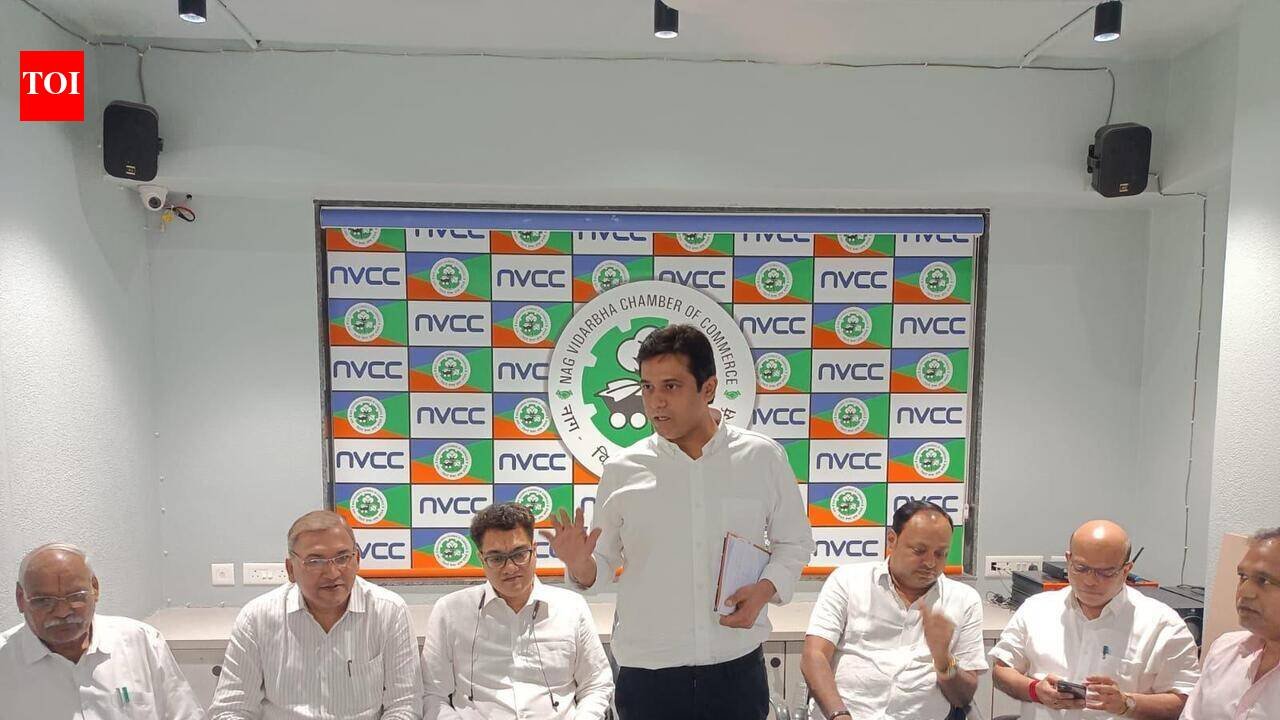
Nagpur: The deferment of the proposed Merchant Discount Rate (MDR) on Unified Payments Interface (UPI) transactions beyond Diwali has brought much-needed relief to the city’s traders, particularly during the festive season.However, they have reiterated their demand for permanent withdrawal of the proposed 0.4% charge on merchant transactions exceeding ₹2,000.Dipen Agrawal, president of the Chamber of Associations of Maharashtra Industry & Trade (CAMIT), said the chamber had raised concerns with the Centre and state govt soon after the proposal emerged. “Traders played a key role in popularising UPI and strengthening India’s digital payments ecosystem and should not be burdened with additional costs for accepting digital payments,” he said.The Nag Vidarbha Chamber of Commerce (NVCC), which represents traders across Vidarbha, also welcomed the move. The chamber submitted a representation to the govt on Oct 2 and organised protests on Oct 9 at Gandhibagh, Ganjakhet, Golibar Chowk, Bharat Mata Chowk and Nehru Putla Chowk.NVCC president Swapnil Ahirkar said the deferment would allow traders to conduct business during the festive season without the additional cost. However, secretary CA Hemant Sarda cautioned that the charges could still be imposed after Diwali, adding that NVCC would oppose the move.Vice-president and UPI committee convener CA Ashwini Agrawal said the chamber would intensify its agitation if the govt proceeded with the charges after the festival. The traders’ body has urged the govt to withdraw the proposed MDR entirely rather than merely defer its implementation.Rajesh Rokde, chairman of the Gems and Jewellery Council, said traders, particularly those in the bullion trade, had narrowly avoided a loss. “Since profit margins are already razor-thin, we simply would not have anything to spare if the charge had been levied,” he said. “If we are operating on a 1% margin but paying 2% in transaction fees, the business becomes unviable. The volume of payments made via UPI, credit cards, debit cards and cheques had already risen. A sudden shift back could have caused those numbers to drop, which wouldn’t have been good for the economy.”
