



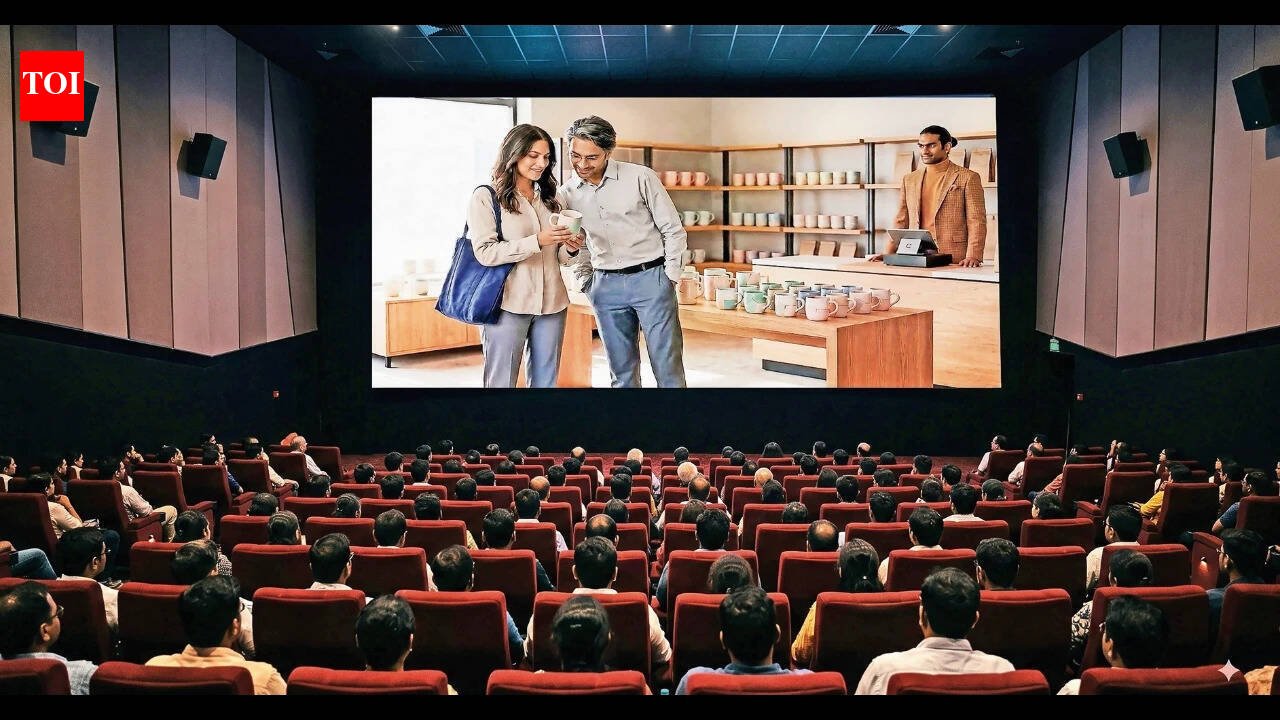
V NichitaArtificial intelligence is no longer just being used behind the scenes. It is now being used to create everything — from visuals and sound to characters and entire scenes. This year, the Bengaluru International Short Film Festival 2026 (BISFF) is giving this emerging form of cinema its own space with a dedicated AI short film competition. The films in this category raise questions about originality, copyright, and credit, while offering a glimpse into the changing role of filmmakers.‘There’s a huge impact of AI in filmmaking’“AI has started dominating every space and has become part of our lives,” says BISFF festival director Anand Varadaraj. Explaining why the festival created a separate space for these films, he adds, “Especially in the visual and audio medium, we’re seeing a lot of changes. There’s a huge impact of AI across most sections, especially animation, which led us to create a separate category to distinguish AI films from animation.” The submissions also suggest that AI filmmaking is still in its early stages. Most entries are between three and 10 minutes long, using AI for visuals, audio or both. “I think these are the early days of AI where makers are trying to use prompts to generate whatever they can,” Anand shares.‘But who owns an AI-made film?’If AI helps make the film, who gets the credit? A new set of concerns — from copyright to consent and likeness to the use of existing artists’ work — is now emerging. Filmmaker and BISFF jury member Sridhar Rangayan sees AI as a tool, but stresses that how it is used matters. “I believe clear ethical frameworks are needed, particularly around consent, copyright, likeness and the use of artists’ work,” he shares. He believes technology cannot replace “lived experience” and “emotional truth” that lie at the heart of great storytelling.‘The future is not AI versus filmmakers’The question is not whether AI will replace filmmaking, but how filmmakers will incorporate it into their existing processes. Anand points to BISFF’s signature film this year, which combines live action, animation, AI generation and 3D modelling. Sridhar too believes the technology will become part of mainstream filmmaking, much like CGI and VFX. “The future, for me, is not AI versus filmmakers, but filmmakers learning to use AI without losing the human heart of cinema,” he says.‘AI can open the door to new stories’Bengaluru-based filmmaker Sreejith S, whose entirely AI-made short Flushback is part of the competition, says the technology comes after the story. “For me, it always starts with the story. Then it’s about creating believable, relatable characters, people you feel you’ve seen somewhere before, and placing them in spaces they seem to inhabit naturally. AI is simply another cinematic medium through which I can translate an idea in my head,” he says.AI can also make ideas possible that would traditionally require large sets, crews or visual-effects budgets. From robots and aliens to entire historical worlds, Sreejith says filmmakers can bring them to life “without huge production costs” and “visualise stories that would otherwise just remain on paper.”He says, “Someone with a story can now bring it to the screen. Tomorrow, someone sitting in a small town or a village might translate their own experience into a film that would never have reached people otherwise.”


