



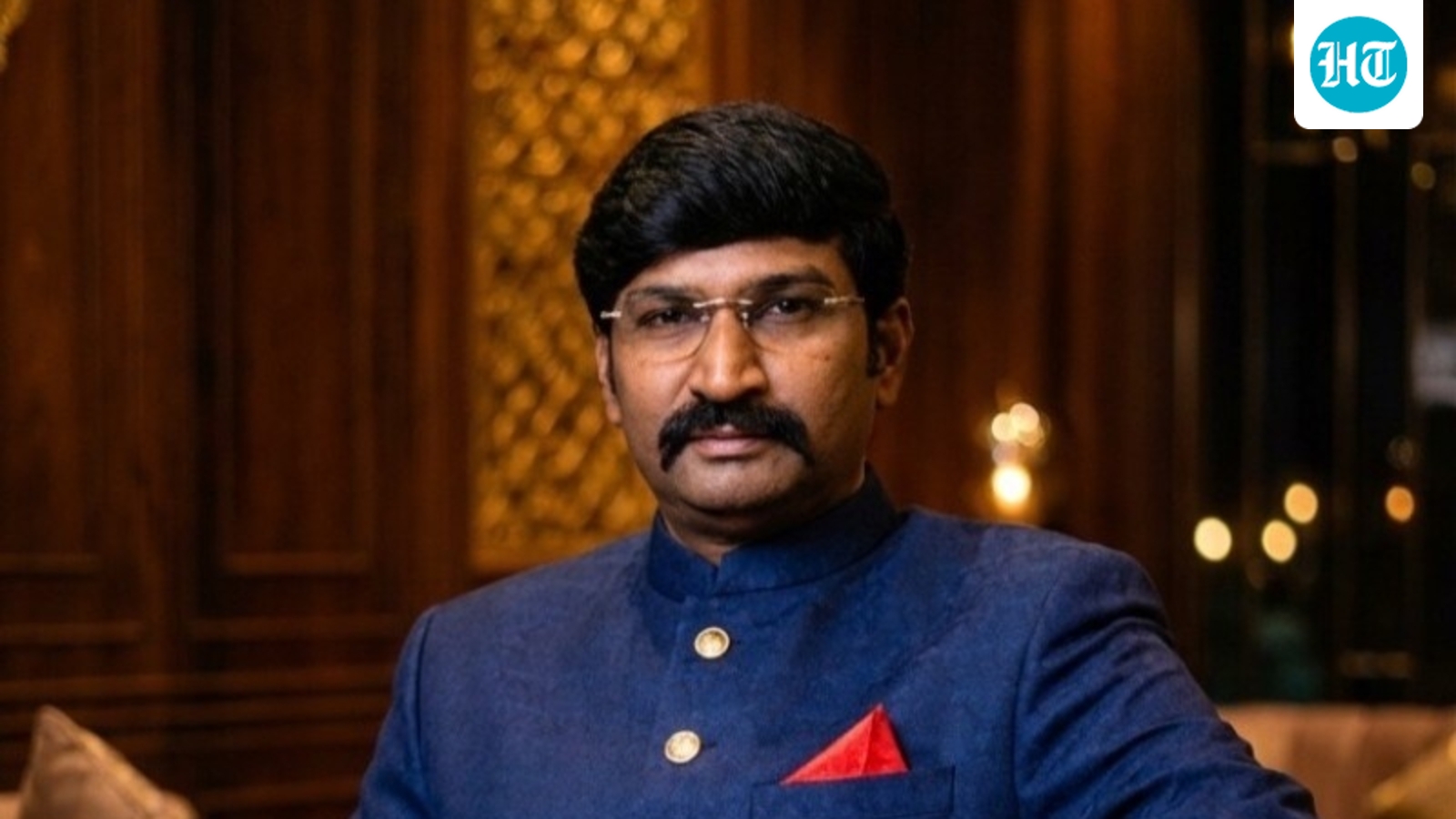
Sivaram Briyas, the co-founder of MillD Protein Atta, has revealed that he once spent four months in the ICU due to the adverse effects of an unhealthy lifestyle. In particular, Briyas blamed years of long working hours. “For most of my career, Sunday was just a slower Monday,” he said in his LinkedIn post, explaining that he regularly worked on weekends.
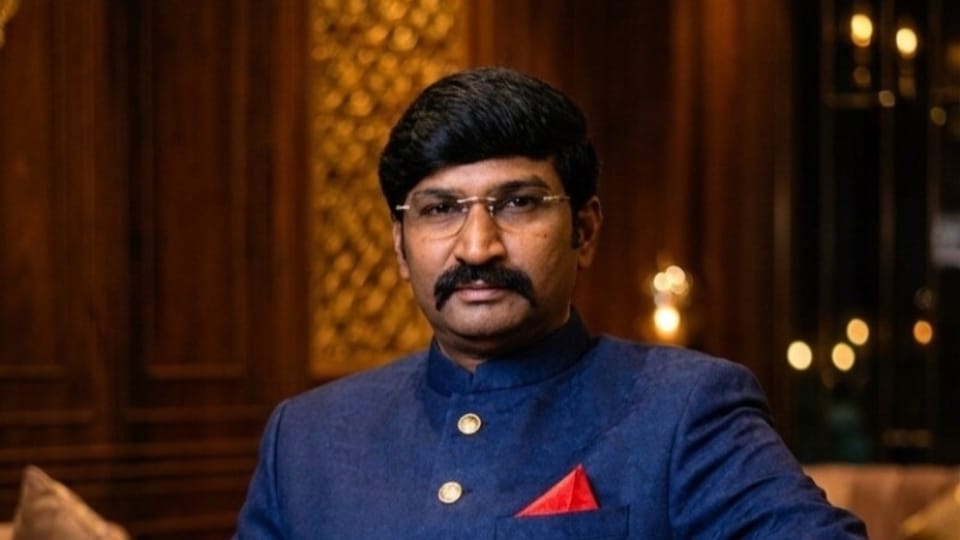
Briyas, who launched Briyas Tofu in 2014, said that his Sundays were often spent in factory visits or work calls. Even when he was present physically with his family, his mind was elsewhere.
“I answered calls. I visited the factory ‘for ten minutes’ that became three hours. I told my family I was present while my mind ran inventory numbers,” he confessed.
All the hard work took a toll on his health, and Sivaram Briyas eventually landed in the hospital.
Landing in the ICU
The Bengaluru-based entrepreneur said that he used to wear his long hours like a badge of honour. “I wore it with some pride. Entrepreneurs don’t take off days. Or that’s what I believed,” he said.
A stint in the ICU changed his beliefs.
“Then I spent four months in an ICU, and I got all my off days at once,” said Briyas.
While hospitalised, Briyas got time to reflect on something that his doctors told him: That the body grows stronger during rest, not while working hard.
“Lying there, I kept thinking about something the doctors told me about recovery. The body doesn’t grow stronger during effort. It grows stronger during rest. The surgery is the damage. The healing happens in between, in the sleeping, the eating, the waiting,” he said.
How rest benefits founders
He realised that the same learning can be applied to businesses and founders.
“The thinking that changes a company rarely happens in the meeting. It happens on the walk after the meeting. The customer insight doesn’t arrive while staring at a dashboard. It arrives at a Sunday lunch, watching how your own family actually eats,” Briyas wrote on LinkedIn.
The founder of MillD Protein Atta reflected on how he manages work-life balance better today. While he still believes in working hard, he no longer works on Sundays.
“I still work hard. Probably harder than before, because now there’s less time and more purpose.
“But I try to protect my Sundays now. Not because I’ve earned rest. Because rest is where the work completes itself,” he concluded.
