


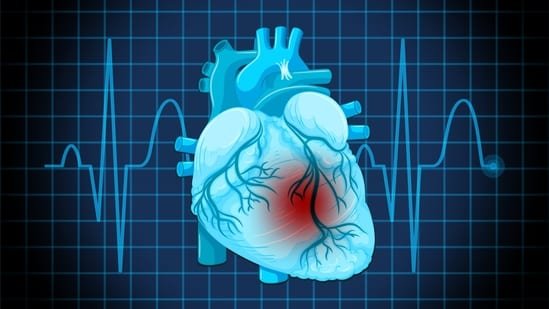
Sudden collapses are often mistaken for heart attacks, but not every fainting spell signals the same danger. Understanding sudden cardiac arrest, its warning signs, causes, and the right immediate response can make the difference between life and death. In an interview with HT Lifestyle, Dr Chiran Babu A, Director and Senior Consultant of Cardiothoracic and Vascular Surgery based in Bengaluru, explains how to identify the signs, act quickly, and save lives. (Also read: Dermatologist shares ‘1 morning habit’ behind her 15 kg weight loss after pregnancy: ‘It’s great for skin, heart health’ )
“When a person suddenly collapses, many people immediately think it’s a heart attack,” says Dr Chiran. “While heart attacks are serious and common, not every sudden collapse is caused by one. Another major and often misunderstood cause is Sudden Cardiac Arrest (SCA). Knowing the difference is crucial, because the response required is very different, and acting quickly can save a life.”
Understanding the difference
Dr Chiran Babu explains, “A heart attack happens when blood flow to part of the heart muscle is blocked, usually by a clot in a coronary artery. The heart usually keeps beating, although it may be damaged. People having a heart attack often experience warning symptoms such as chest pain or pressure, sweating, nausea, or shortness of breath. Many remain conscious and can ask for help.”
He contrasts this with SCA: “Sudden cardiac arrest is an electrical problem where the heart suddenly stops pumping blood effectively due to a dangerous abnormal rhythm. When this happens, blood flow to the brain stops instantly. The person collapses, loses consciousness within seconds, and stops breathing normally. Without immediate help, survival chances shrink rapidly with each passing minute.”
Timing and symptoms are key
“Timing is a major clue,” says Dr Chiran Babu. “Heart attacks often build up over minutes or even hours. Sudden cardiac arrest is usually immediate and unexpected. A person may be talking, exercising, or walking and suddenly collapses.”
The emergency response for each condition differs. “Heart attacks need urgent hospital care to restore blood flow to the heart,” he explains. “Sudden cardiac arrest requires immediate CPR and defibrillation using an Automated External Defibrillator (AED). Early CPR keeps blood flowing to the brain, and early defibrillation can restart the heart. When used within the first few minutes, AEDs can dramatically improve survival.”
Dr Chiran Babu notes that “heart attacks can sometimes lead to SCA, but many SCA events occur without a heart attack. They may be caused by heart muscle disease (HOCM), inherited rhythm disorders, previous heart muscle damage, or sometimes unknown causes.”
Public awareness is critical
“Anyone can learn and provide CPR,” he adds. “AEDs are increasingly available in airports, malls, offices, gyms, and public spaces. These devices are safe, easy to use, and give voice instructions. If someone suddenly collapses, call emergency services, start CPR, and use an AED if available.”
“Not every collapse is a heart attack,” concludes Dr Chiran Babu. “Understanding sudden cardiac arrest and knowing how to respond can help save a life, possibly someone you love.”
Note to readers: This article is for informational purposes only and not a substitute for professional medical advice. Always seek the advice of your doctor with any questions about a medical condition.
This report is based on user-generated content from social media. HT.com has not independently verified the claims and does not endorse them.


