


She added: “We think this is something that will keep not just children safe, but people who work in schools as well. It will give them [staff] the confidence to know what to do in an emergency.”
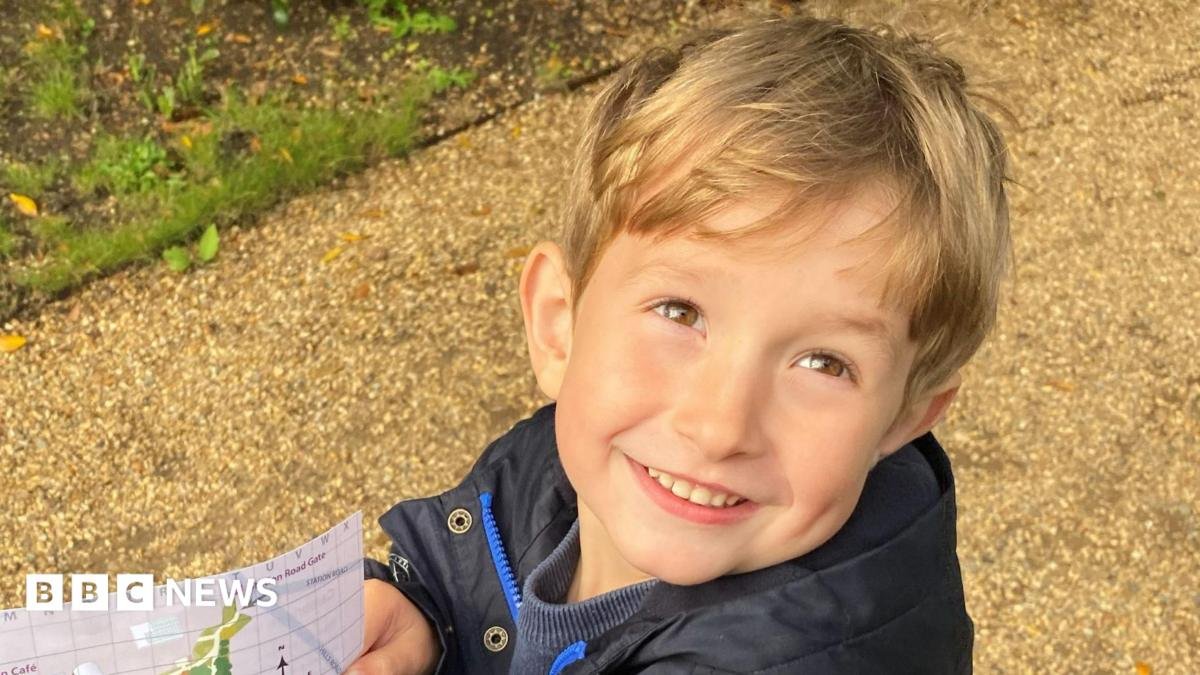
Benedict, from Stamford, Lincolnshire, had asthma and a number of allergies, including eggs, nuts and milk.
His mother said she had worked with the school to put together an allergy action plan, but an inquest heard that process had not been followed.
Statutory guidance, which sets out what schools must do to adhere to the law, will come into force into September.
According to research by Benedict Blythe Foundation, external, 50% of schools in England do not have any spare medication, a third have no allergy policy and 70% do not have all the measures now being introduced.
While the statutory guidance – government advice outlining how schools must act to comply with the law – comes into effect from September, Benedict’s Law will go further.
From 2027, the same measures will be made into statutory duties and will apply to state schools, independent schools and fee-paying special schools. This means schools will be legally required to implement these changes.
Blythe said: “Had Benedict’s Law and this guidance been in place when he’d been at school, he almost certainly would still be with us.
“We hope, although it won’t make any difference to us and our family, that we will protect any other family from having to go through what we have.”
Education minister Olivia Bailey said: “Every child deserves to feel safe and included, but too many families have had to fight for basic protections that should simply be there.”
She added: “This change is thanks to the tireless efforts of Helen and Peter Blythe, who have turned unimaginable tragedy into lasting change that will protect thousands of children for generations to come.”
Listen to highlights from Lincolnshire on BBC Sounds, watch the latest episode of Look North.
