


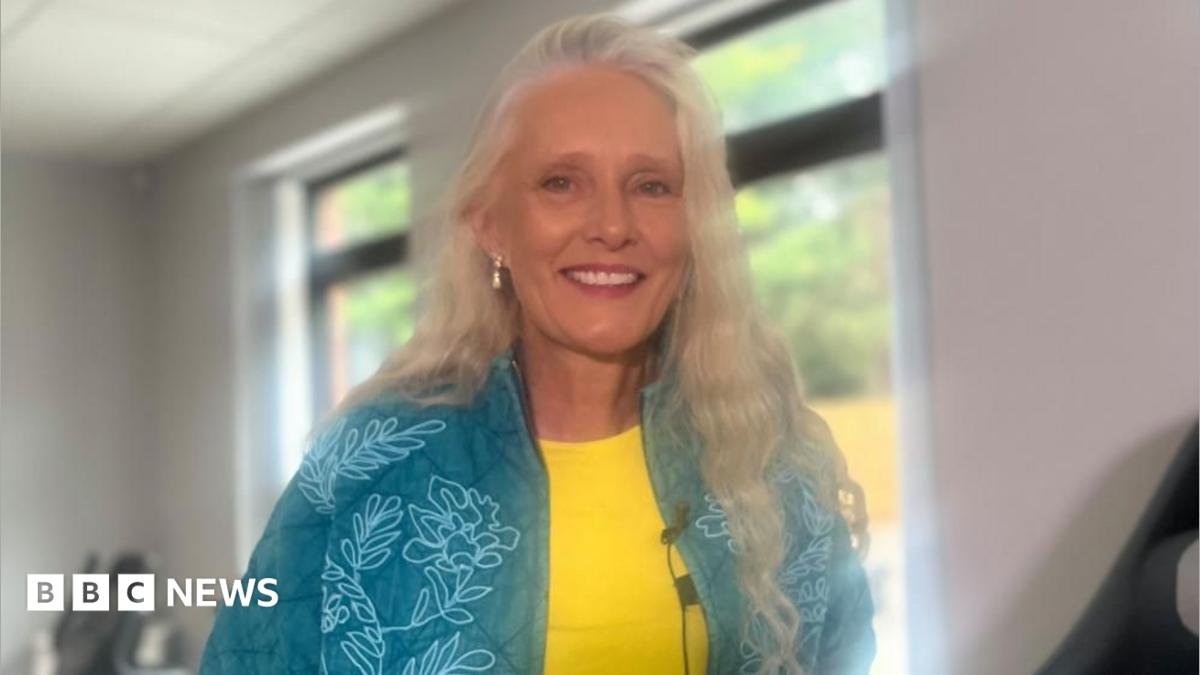
Ten years ago, Walkden, 58, was prescribed strong pain medication for a long-standing stomach injury, but said it only provided short-term relief and made her feel worse.
However, she found new ways of coping with her condition following a three-week intensive programme at Knockbracken Health Care Park in Belfast, which teaches psychological techniques to deal with pain rather than relying on medication.
“The tools have allowed me to become the boss of the pain instead of it controlling me,” she said.
“I am not afraid to exercise, especially to walk, I even talk to the pain but I no longer allow it to prevent me from living a life.
“Understanding the source of my pain and what it is doing to me mentally, never mind physically, has been life changing.”
Data collected from the Knockbracken programme has formed part of new research from Queen’s University Belfast (QUB) and the Belfast Health Trust.
While more than 100 people within the Belfast Trust physically took part, the study also analysed the data of 491 patients living with chronic pain in Northern Ireland.
It found that 42% of those were living in the most deprived areas and reported much higher levels of distress, disability and pain-related burden.
