


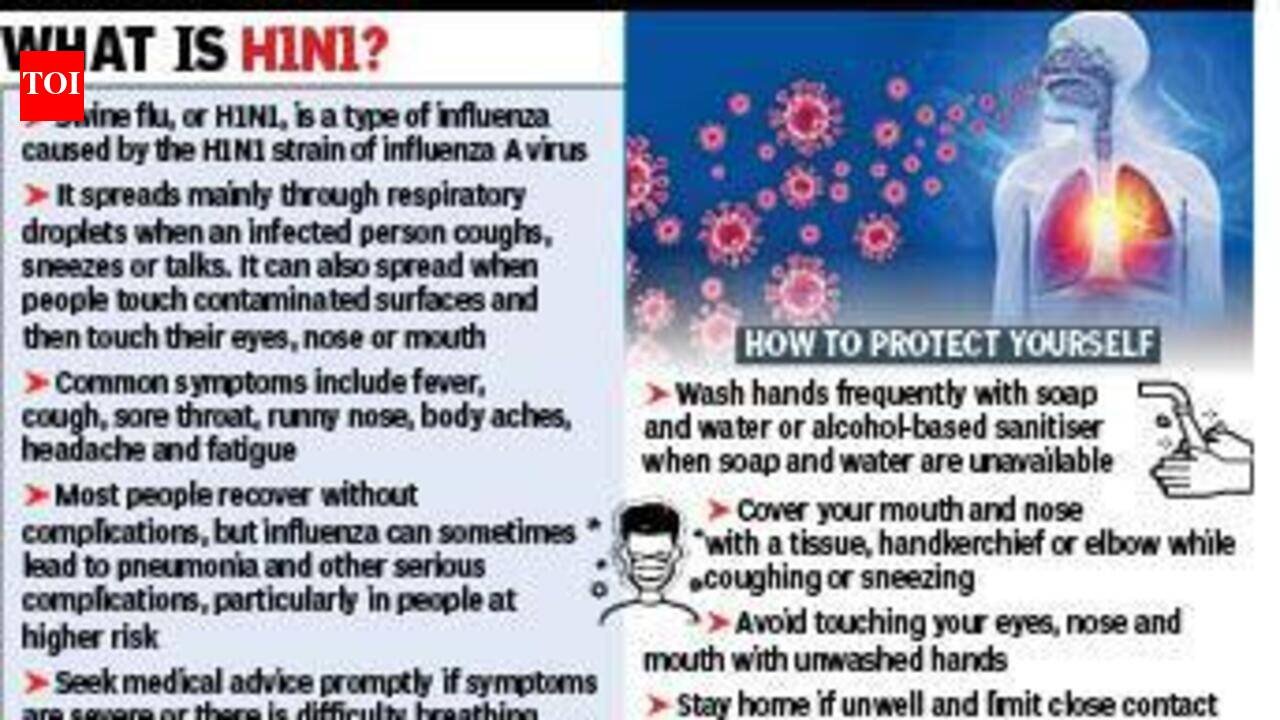
Ludhiana: With cases of seasonal respiratory illnesses being reported, the health department has urged residents to remain alert about swine flu (H1N1), while stressing that there is no need for panic.Civil surgeon Dr Ramandeep Kaur said timely precautions, personal hygiene and seeking medical advice when symptoms appear can help prevent the spread of the viral infection.Explaining the symptoms, she said swine flu can resemble the common cold, with patients experiencing fever, runny nose, cough, sore throat and body aches. Some patients may also develop breathing difficulties.She advised residents not to ignore such symptoms and to contact the nearest health centre or doctor for appropriate medical advice.Dr Kaur said maintaining personal hygiene was among the most effective ways of reducing the risk of infection. Residents should wash their hands thoroughly with soap and water for at least 20 seconds. Where soap and water are unavailable, an alcohol-based hand sanitiser can be used.She also advised people to cover their mouth and nose with a handkerchief or their elbow while coughing or sneezing and dispose of used tissues immediately. Those who are unwell should stay at home and minimise contact with others to prevent transmission.Residents should avoid crowded places, fairs and public gatherings when they are ill, she said. Close physical contact with people suffering from coughs or colds should also be avoided.The civil surgeon advised people against touching their eyes, nose or mouth without first washing their hands. She stressed the importance of maintaining overall health through adequate hydration, a nutritious and balanced diet, sufficient sleep and regular light exercise.Dr Kaur particularly cautioned residents against self-medication if they develop symptoms suggestive of swine flu. Medicines should be taken only after consulting a doctor, she said, adding that timely medical advice was important, particularly if symptoms worsen or breathing difficulties develop.“Precaution is the most powerful weapon against swine flu. Instead of panicking, remain aware and vigilant, make hygiene a part of your daily routine and seek immediate medical advice if symptoms appear,” she said.She added that staying home and reducing contact with others while unwell was not only important for an individual’s health but also helped protect family members and the wider community.What is swine flu?–Swine flu, or H1N1, is a type of influenza caused by the H1N1 strain of influenza A virus–It spreads mainly through respiratory droplets when an infected person coughs, sneezes or talks. It can also spread when people touch contaminated surfaces and then touch their eyes, nose or mouth–Common symptoms include fever, cough, sore throat, runny nose, body aches, headache and fatigue–Most people recover without complications, but influenza can sometimes lead to pneumonia and other serious complications, particularly in people at higher risk–Seek medical advice promptly if symptoms are severe or there is difficulty breathing, chest pain, confusion or worsening illness
