



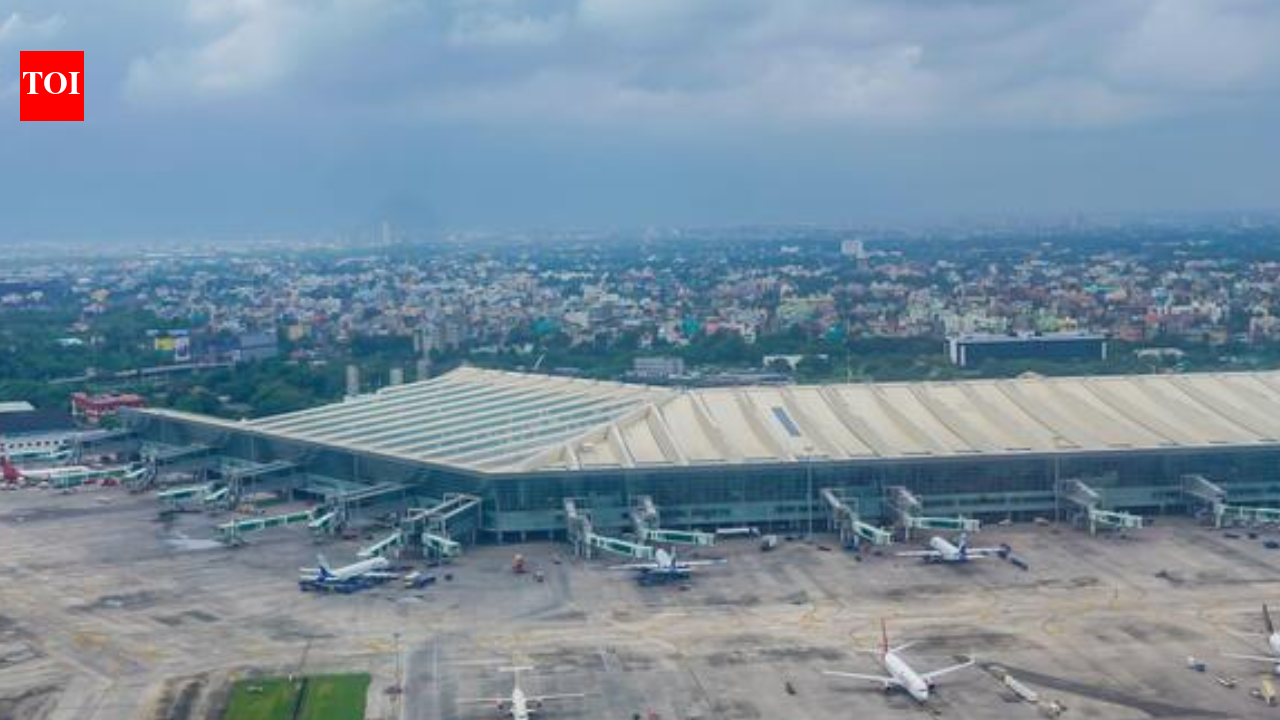
KOLKATA: A laser beam flashing into a cockpit may last only seconds, but in an aircraft’s final approach, those seconds can become a serious aviation emergency. That is what happened to Malaysia Airlines flight MH-184 from Kuala Lumpur on Saturday night, when the pilot was disoriented by laser flashes as the plane was some 15km from Kolkata airport.
Laser strike disrupts Malaysia Airlines landing
The plane had 159 passengers and seven crew members and had to climb and circle before it could land safely. The episode has once again exposed a gap that persists between the rules in Kolkata on the use of lasers and the implementation of these on the ground.
Laser beams pose serious aviation risks
Routine landing scare eight miles from runwayThe incident occurred around 11:18pm when MH-184 was approaching Netaji Subhas Chandra Bose International Airport for its scheduled 11:25pm arrival. The plane’s cockpit was struck by flashes of laser light when it was about eight nautical miles from the runway.
DGCA bans lasers within 18.5km of Kolkata airport
The crew had to reposition the plane, gain altitude and circle before trying again. The flight finally landed safely on runway 19L at 11.23pm and was taxied to bay 57L. There were no injuries to passengers or crew but it could have been much worse.The 18.5km rule is broken and broken againThis latest incident is particularly worrying because the area in question is not an enforcement gray zone. The Directorate General of Civil Aviation has banned use of laser lights in 18.5-km radius of an airport due to danger they pose to aircraft.But Malaysia Airlines aircraft was reportedly hit while still about 15km from the airport. That places the latest incident well inside the officially accepted safety perimeter. Now, the police have traced the suspected source to Ashoknagar in North 24 Parganas and are trying to identify the culprits.Kolkata already knew this was a repeat problemThe most uncomfortable question is not whether the authorities knew laser beams were dangerous, but why repeated warnings have not stopped them. Kolkata airport authorities had come out with a dedicated SOP last year after 13 laser interference incidents were recorded between January and April 2025 alone. All reported laser incidents must be reported to police or the district administration immediately and efforts made to locate the source and stop the activity under this protocol. The prescription also included police patrols and awareness drives.The problem goes beyond the airport boundary because the likely sources are often ordinary social and commercial places. Airport officials have flagged banquet halls, hotels, puja pandals and other event venues as possible sources of high-intensity laser displays.Authorities have once again warned the organizers against the use of such lights ahead of the festive and wedding season. Several kinds of venues have been asked to put up mandatory signages against lasers and civic bodies have been asked to carry out awareness campaigns. The latest Ashoknagar case suggests that warnings are not enough when the origin can keep eluding in real-time.Why is a laser dangerous when landing?A laser strike is not just a bright light which annoys a pilot. On final approach the crew is intensely aware of the runway, instruments, the aircraft’s orientation and visual references around them. A sudden high intensity beam can cause glare, distraction and temporary loss of vision. In the approach phase an aircraft may be descending at about 1,500 to 2,000ft per minute, giving pilots only limited time to recover if their visual field is suddenly disrupted. Airport officials have also said the bent cockpit windows can scatter a narrow laser beam across the flight deck, increasing the glare the crew faces.Here’s why aviation authorities take laser strikes seriously: the sheer scale of the global problem. In the US, pilots reported 10,994 laser strikes to the Federal Aviation Administration in 2025, although the number dropped 14% from the previous year. The FAA recorded 12,840 incidents in 2024 and says pilots have reported 328 laser-related injuries since it began tracking them in 2010. These figures are not directly comparable with the smaller reported figures in Kolkata, but they do show that laser illumination is recognized internationally as a real flight-safety hazard, not a harmless prank.Enforcement is the Achilles heelThe latest incident in Kolkata highlights a familiar problem: having a rule is very different from being able to enforce it. The airport’s SOP already provides a chain of responsibility among the airport officials, police, district administration and civic bodies. Once a pilot reports a laser, authorities are expected to trace its origin, stop the activity and file a report to the airport director. However, detecting a beam fired from several kilometers away, especially at night and over populated areas, can be a challenge unless the police have rapid reaction teams and good coordination.The latest investigation may be an opportunity to test if the system really works. The suspected beam has been traced to Ashoknagar and police are working with the local authorities in the Barasat division as the location is outside the jurisdiction of Bidhannagar.The fact that investigators have been able to narrow down the source is significant. The real test is finding the exact operator and holding them accountable. As long as offenders are still getting away with it after it is reported, the deterrent effect of the 18.5-km prohibition will remain weak.Skies over Kolkata are getting busierKolkata airport is one of the busiest aviation hubs in India, with over 400 flight movements a day. This means that any avoidable hazard around its approach paths has the potential to affect a large number of aircraft and passengers.Earlier airport authorities had identified more than 200 physical obstacles around the airfield including buildings, towers, antennas, hoardings, poles and trees. Laser interference is another hazard that is not seen until it suddenly appears in a cockpit.MH-184 made a safe landing, but that should not take away from the bigger warning this incident sends. A laser beam does not have to bring down an aircraft to constitute a serious aviation safety failure.Forcing a pilot to abort or delay an approach is evidence enough that the threat has made it to the cockpit. Kolkata already has the prohibition, the SOP, the police machinery and repeated warnings.What it needs now is consistent enforcement, quicker source detection and effective action against violators. Until then laser strikes will be an illegal practice that somehow finds itself in the flight path of approaching aircraft to the city.


