


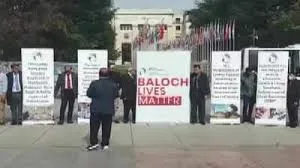
In recent months, the streets of Berlin, London and other European cities have witnessed a growing wave of demonstrations by Baloch activists, highlighting what they describe as systematic human rights violations by the Pakistani state in Balochistan. These protests represent not merely isolated incidents of dissent but a coordinated international effort to draw global attention to a crisis that has long remained in the shadows of international discourse. The Baloch diaspora in Germany and Britain has organized numerous rallies, vigils and awareness campaigns, demanding accountability for enforced disappearances, extrajudicial killings and military operations in their homeland. Protesters have gathered outside Pakistani embassies, holding photographs of missing relatives—victims of what human rights organizations have termed “enforced disappearances.” These images tell stories of fathers, sons and brothers who vanished without trace, leaving families in perpetual anguish, uncertain whether their loved ones are alive or dead. The demonstrations have gained particular momentum following reports of intensified military operations in Balochistan, Pakistan’s largest but most impoverished province. Activists allege that the Pakistani security forces have conducted operations targeting Baloch civilians under the pretext of counter-terrorism, resulting in widespread displacement and civilian casualties. The protesters demand international investigation into these allegations and call for an end to what they characterize as state-sponsored violence against their community. In Germany, Baloch activists have found a receptive audience among human rights advocates and civil society organizations. The protests in Berlin have highlighted issues ranging from restrictions on freedom of expression in Balochistan to the alleged exploitation of the province’s natural resources without adequate benefit to local populations. Similarly, demonstrations in London have focused on urging the British government to raise these concerns in diplomatic channels and support independent investigations into human rights violations. The role of the international community in addressing the Baloch crisis cannot be overstated. As global guardians of human rights, international organizations including the United Nations, European Union and independent human rights bodies bear a moral and legal responsibility to investigate allegations of systematic abuses. The international community must move beyond rhetoric and implement concrete measures to protect vulnerable populations. Firstly, the United Nations Human Rights Council should establish an independent fact-finding mission to investigate reports of enforced disappearances, torture and extrajudicial killings in Balochistan. Such investigations must be granted unfettered access to the region and protection for witnesses who come forward. Secondly, Western democracies that maintain diplomatic and economic relations with Pakistan should leverage these relationships to press for accountability and reform, making continued cooperation contingent upon demonstrable improvements in human rights practices. Furthermore, international media must amplify these marginalized voices, ensuring that the Baloch narrative reaches global consciousness. The silence surrounding Balochistan’s humanitarian situation only emboldens perpetrators and deepens the suffering of victims. The European protests also underscore the need for asylum protections for Baloch refugees fleeing persecution. Host nations must recognize the legitimate fears of those seeking sanctuary and provide adequate protection mechanisms. As Baloch protesters continue their struggle on European soil, they carry the hopes of countless voiceless individuals back home. Their message is clear: human rights are universal and indivisible. The international community’s response to their pleas will determine whether these principles remain aspirational ideals or translate into tangible protection for one of South Asia’s most persecuted communities. The world must listen, act, and ensure that justice prevails over impunity.


