






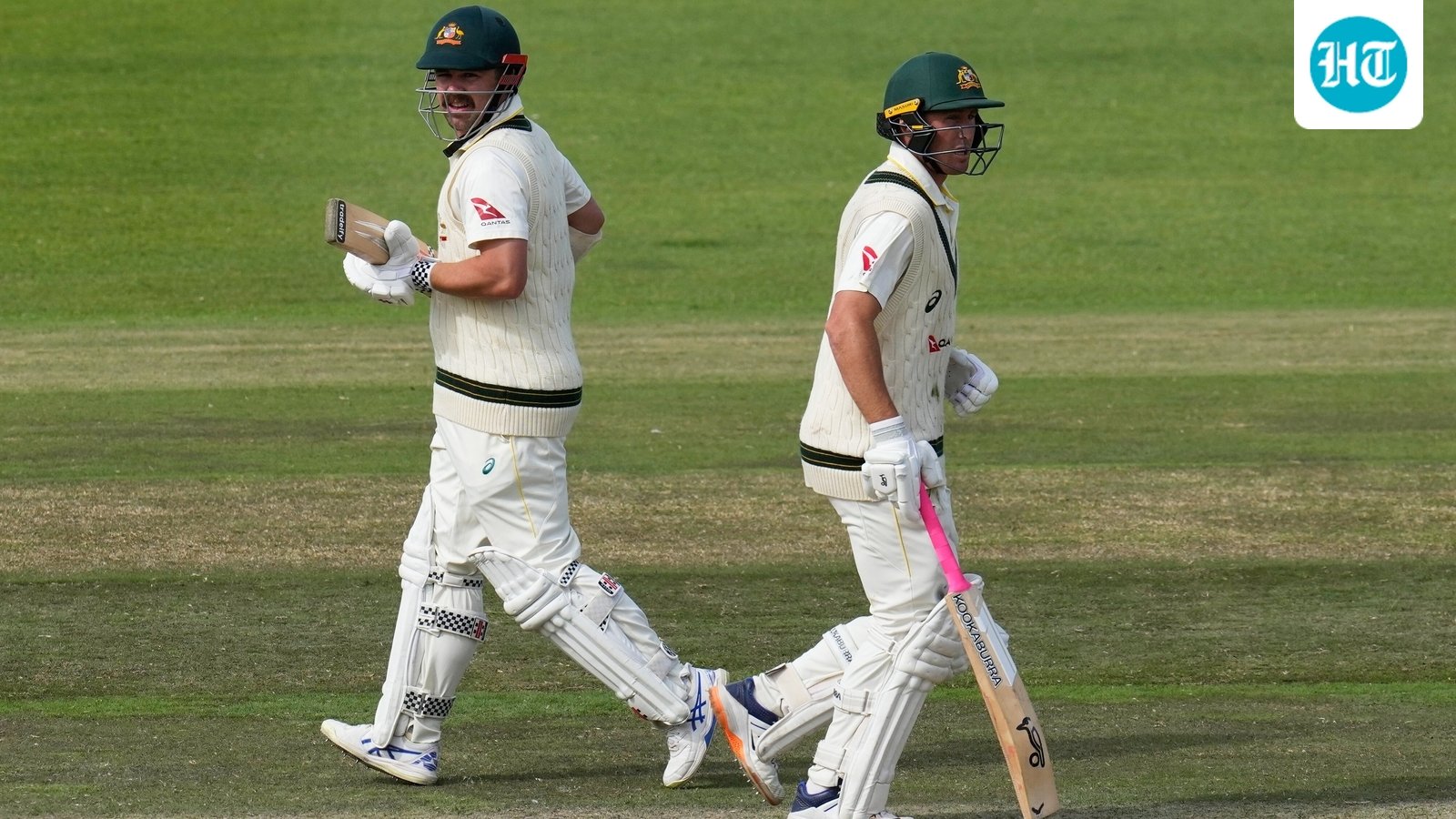
Australia are in a bind. They are struggling with their batting, and are behind India, South Africa, New Zealand and England when it comes to transitioning to younger players. Australia have been one of the strongest sides in red-ball cricket over the years with many of their leading players prioritising the format. But finding quality batters for Tests has become a problem in recent times. The issue has been exacerbated by the combination they have tried out.
The search began when David Warner retired from Test cricket in January 2024. Australia tried Steve Smith, Nathan McSweeney, Sam Konstas, Jake Weatherald and Marnus Labuschagne in different roles. Usman Khawaja has since retired as well, leaving Australia with two big shoes to fill. Travis Head has settled into one opening slot, but the search for the other opener continues.
For the ongoing Test series against South Africa, Australia brought back Nick Maddinson as an injury replacement. His return was an emotional one, coming a little over a year after he underwent treatment for testicular cancer. But the selection attracted criticism, former Australia opener Matthew Hayden making his displeasure clear.
“Where we are at is that we are promoting the greatest pile of mediocrity that we’ve seen in a generation of cricket,” Hayden said on the All Over Bar The Cricket podcast.
Maddinson made his Test debut in 2016, and recalling him for the South Africa tour was a bold move. But it also raised questions about why Australia have struggled to bring through younger batters in red-ball cricket.
The Maddinson gamble hasn’t worked out — 56 runs in four innings, including two ducks. The problem isn’t just in the top order either. Marnus Labuschagne’s form has become a genuine concern. It’s been 46 Test innings (nearly three years) since he last made a century. His dismissal on Wednesday in the innings defeat at Gqeberha again raises questions about his position in the side.
Labuschagne and Head had put on 92 for the second wicket as the SA bowlers started to wear out. Just when Australia looked in a position to build on that stand, Labuschagne went after spinner Simon Harmer and mistimed a shot, the swirling win not helping his cause as he was caught in the deep. His dismissal was followed by two more wickets before stumps, and Australia were in serious trouble.
Beau Webster has also looked vulnerable, adding to Australia’s batting woes. The dependency on the 37-year-old Steven Smith and Head only keeps getting bigger.
The larger issue is Australia’s transition, which has not been smooth. They did not have a single player under 30 in their XI for the first two Tests against South Africa, and that says plenty about where the team stands at the moment. There are also questions about the talent coming through.
Also Read – Tilak Varma’s Christchurch master class: The art of knowing when to attack
Since 2021, Australia have handed Test debuts to 14 players; their average age of 27 years and five months is the highest among the teams in the table. Their debutants have averaged 25.23 with the bat and 23.05 with the ball. The bowling numbers are encouraging, but the batting returns have been modest compared with those of India and New Zealand, whose debutants have averaged above 34. England and South Africa have also given opportunities to far more players, with 27 and 28 debutants respectively. Australia, meanwhile, have been slower to bring in new faces and get the best out of them.
Test Debutants since 2021:
Of the 14 players to make Test debut for Australia since 2021, Alex Carey (52) is the only one to play more than 20 Tests. Scott Boland is next with 19. Webster has played 11 since his debut last year, but has yet to make a major impact. he could find himself out of the XI when Cameron Green returns from injury.
There is also the question of age. Only three Australian batters in this group, Will Pucovski, Sam Konstas and Cooper Connolly, were under 25 when they made their debuts. But none could deliver at the highest level. India and England have found Shubman Gill, Yashasvi Jaiswal and Harry Brook to take over from senior batters. There is no sign Australia is able to find players who can step up and hold their place.
The bowling department is better off, for now. Mitchell Starc, Josh Hazlewood and Pat Cummins remain among the best fast bowlers in the game, while Nathan Lyon continues to lead the spin attack. But they are all into their 30s. Australia have still struggled when opposition batters have dug in. South Africa skipper Temba Bavuma exploited that in the World Test Championship final, and he again put them under pressure at Gqeberha, his centuries in both the games taking the Proteas to handsome wins. Much like Cheteshwar Pujara used to wear down the Australia attack, Bavuma too has adopted the approach to great success.
Australia cannot afford to ignore what comes next in bowling. Starc and Hazlewood are past 35, injuries have repeatedly disrupted the pace attack, and Cummins has also missed important matches. Australia still have the experience and quality to compete, but must start preparing their replacements rather than wait until the gaps become impossible to ignore.


