






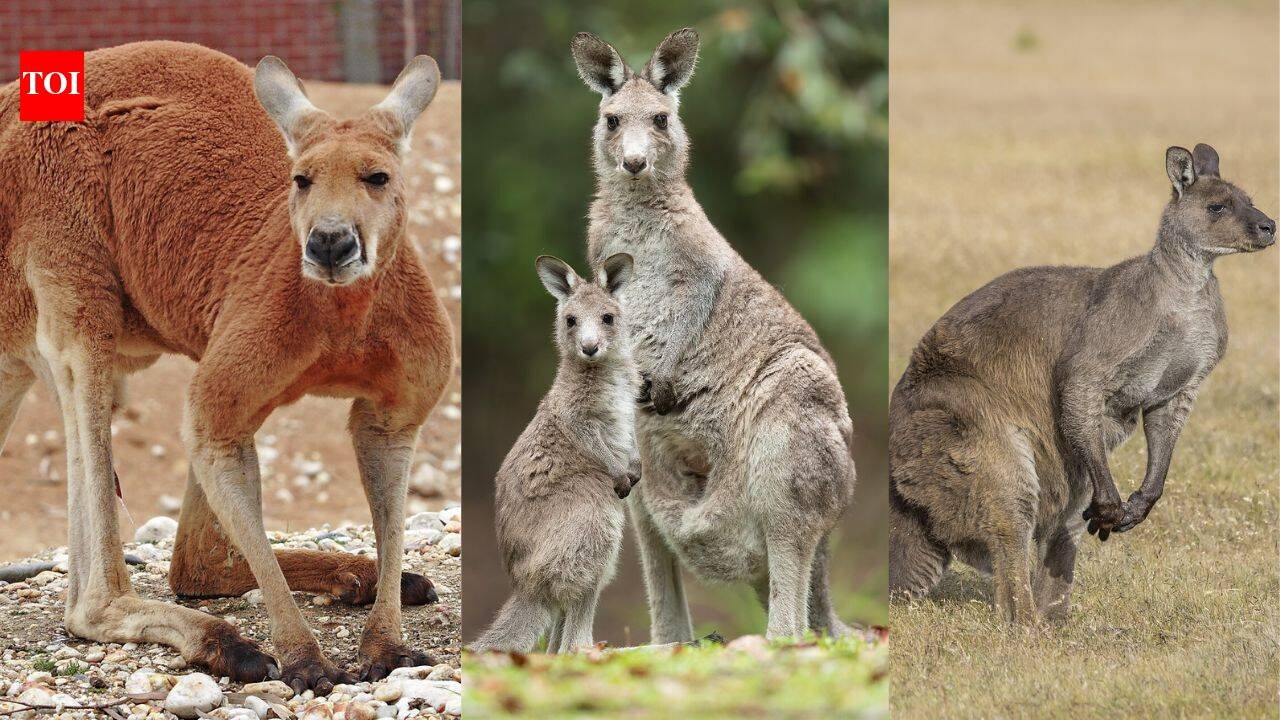
Australia once used government-funded bounties to encourage people to kill native marsupials, including kangaroos, wallabies and bandicoots. A 2026 study published in Nature found that the programme led to the destruction of up to 27 million animals between the late 19th century and 1930. The scheme was introduced when the Queensland Government sought to reduce competition between native marsupials and livestock for food. Researchers examining historical bounty programmes around the world found that the Queensland campaign was one of the largest examples they identified.
How did Australia’s bounty programme begin in Queensland
The Queensland Government introduced the Marsupial Destruction Act in 1877. According to the study by Julian D. Olden and colleagues, the legislation was designed to encourage the killing of marsupials that were considered competitors with livestock for available feed.The government used financial rewards to make killing the animals an attractive activity. The programme remained in place until 1930, meaning that payments continued for more than five decades.The researchers recorded the Queensland scheme as part of a global study of bounty programmes used to control species considered unwanted. Their research examined records covering about 800 years and found hundreds of examples from different parts of the world.
Parliament House, Brisbane, Queensland in 2019. Image Credit: Wikipedia
The programme covered animals other than kangaroos
The animals targeted in Queensland included several familiar kangaroo and wallaby species. The study identifies red kangaroos, eastern grey kangaroos and western grey kangaroos among the species covered by the legislation.Other animals included the agile wallaby, black-striped wallaby, red-necked wallaby and common wallaroo. Smaller marsupials were also affected, including the northern brown bandicoot, long-nosed bandicoot, long-footed potoroo and long-nosed potoroo.This broad list shows that the bounty was not limited to large kangaroos. A range of native marsupials was included in the programme because they were considered relevant to the same livestock-related concern.
(Left to Right) Red-necked wallaby, Long-nosed bandicoot & Common Wallaroo. Image Credit: Wikipedia
What was the scale of the killing
The numbers recorded by the researchers show how large the programme became. The study estimates that as many as 27 million marsupials were destroyed during the period covered by the Queensland bounty scheme. The government also paid about £1.187 million in bounties. The figure represents the financial cost of the system recorded by the researchers and gives an indication of how extensively the programme was used.
Bounty schemes were used across the world
The Queensland case was not an isolated approach to wildlife management. The researchers identified at least 283 species that had been targeted through bounty programmes, with examples recorded across 60 countries.Three-quarters of the programmes focused on terrestrial species, while the remainder involved freshwater or marine species. Australia was among the countries with the greatest number of species subject to bounty programmes in the researchers review.Mammals made up more than one-third of the species recorded in the study. Birds were another major group, while fish, reptiles, insects, amphibians, molluscs, crustaceans and plants also appeared in the historical records.
Why were native species targeted
The researchers found that bounty schemes were often connected to practical concerns about human activities. These included protecting livestock, crops, fisheries and infrastructure, as well as concerns about ecosystems and human health.In Queensland, the specific reason recorded in the study was competition for feed between marsupials and livestock. Native animals were therefore treated as a problem in an agricultural setting where available food was considered valuable to farmed animals.The global review found that native species were actually the main focus of these programmes. About 69.5% of the 449 species-country programmes involved native species, while 30.5% involved non-native species.
The historical record also shows problems
The study found that bounty programmes did not always work exactly as intended. Financial rewards can change how people behave because payments create a direct incentive to kill animals.The researchers identified historical cases involving fraudulent claims and other unintended consequences. Some programmes also resulted in animals being killed beyond the species that authorities had intended to target.These problems matter because removing animals from an ecosystem can produce effects that are difficult to predict. The study highlights the importance of considering how a bounty is designed, what it is intended to achieve and whether its results are properly assessed.
What the Queensland case tells about wildlife control
The Queensland programme ended in 1930. Across different countries and time periods, governments have repeatedly used financial incentives to encourage people to remove species regarded as harmful or unwanted. The study does not treat every bounty programme as identical. Instead, it shows that their outcomes depended on the species involved, the reason for targeting them and how the programmes were organised.


