






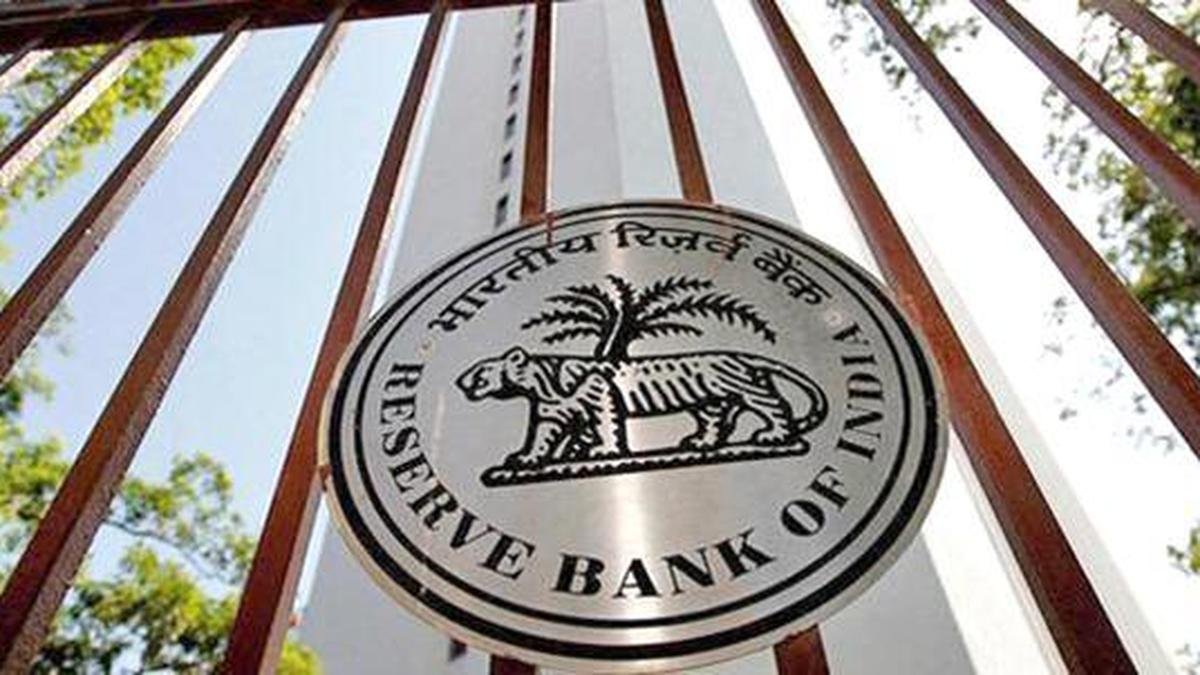
RBI headquarter
| Photo Credit: bl-online Administrator
The 20-month-high retail inflation of 4.8% in August 2026 has significantly increased the probability of an interest rate hike by the Reserve Bank of India’s Monetary Policy Committee (MPC) in its next meeting in October, according to economists.
Inflation in August as measured by the Consumer Price Index (CPI) was driven up by rising prices in the food category, which saw inflation quicken to 5.7%. Rising food and fuel prices also meant that inflation in the ‘restaurant and accommodation services’ category rose to 8.4%.
According to economists at Emkay Global, there have been “material changes” to the global and domestic macroeconomic situation over the past few weeks that could lead the MPC to hike rates in October.
These factors, it said, include the inflows of around $136 billion into India through the Foreign Currency Non-Resident Bank deposits, Brent crude oil prices rising above $100 a barrel once again, and the likely start of a global rate hiking cycle, with the European Central Bank hiking rates last week and the Bank of Japan and U.S. Federal Reserve likely to follow suit this week.
“Amid this backdrop, the RBI’s October MPC meeting is a live one, with the odds of a rate hike now much higher than earlier,” the economists said in a report.
DK Srivasatava, chief policy advisor at EY India, agreed with this assessment saying even a change in the RBI’s stance could take place.
“With CPI inflation coming close to 5%, the RBI may have to review its policy stance as well as policy rate in its next monetary policy review meeting in October 2026,” Mr. Srivastava said.
He added, however, that the government has successfully limited the pass-through effect of fuel prices linked to global pressures as the domestic prices of fuels have remained stable.
Rajeev Sharan, head of research at Brickwork Ratings, said that there is also a risk of wholesale inflation — which came in at 9.9% in August 2026 — could spillover into retail prices.
“The main risk is that high wholesale food and input costs eventually push up retail prices, alongside any rise in crude oil or fresh volatility in vegetable prices,” Mr. Sharan said.
Published – September 15, 2026 07:28 pm IST


