



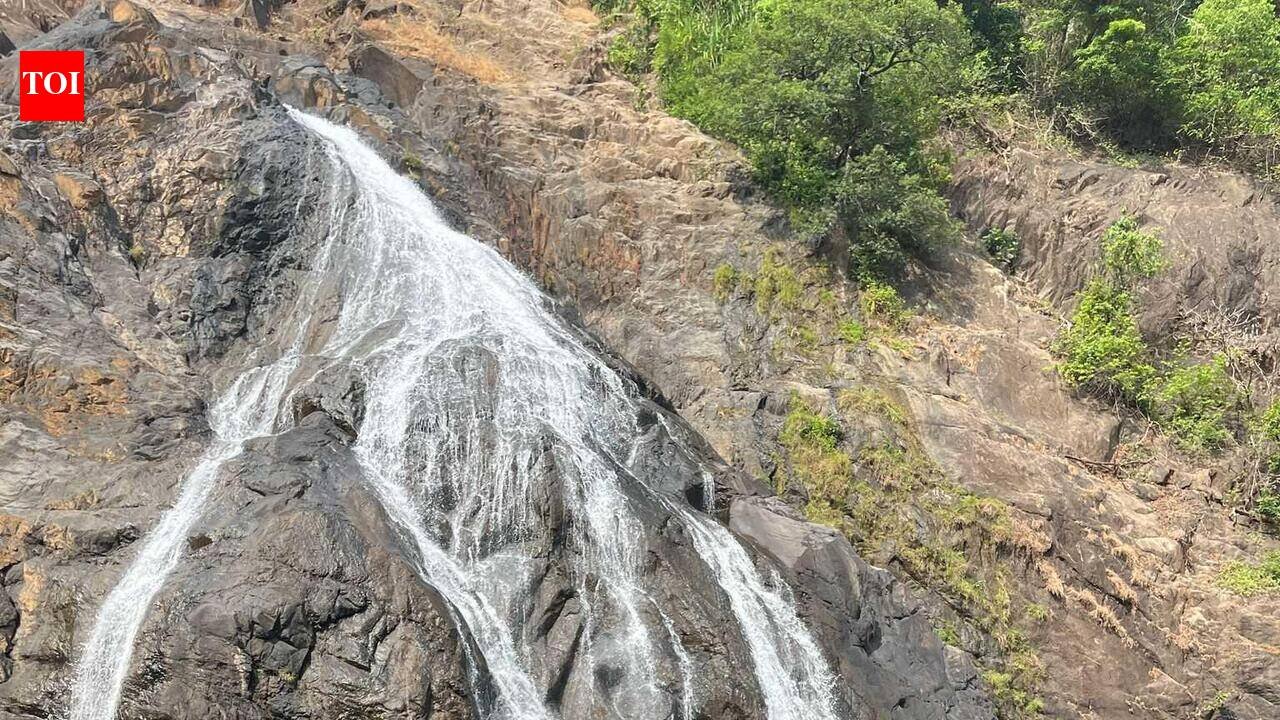
Panaji: Every monsoon, Goa’s waterfalls roar back to life, abandoned laterite quarries fill with turquoise water and streams swell into inviting pools. Then comes the familiar tragedy. A group of youngsters out on a trek decides to cool off. Someone dives in. Someone never comes back up.This year alone, that sequence has unfolded downstream of the Dudhsagar waterfall and at quarry pits, rivulets and waterfalls across Sattari, Sanguem and Bicholim, underscoring a worrying shift: Goa’s hinterland has quietly overtaken its coastline as the state’s deadliest drowning frontier.The contrast with the past is striking. In 2007, around 200 people, many of them foreign tourists, drowned along Goa’s beaches, prompting state govt to appoint a professional lifeguarding agency in 2008. Nearly two decades later, Goa recorded 76 drowning deaths in the first six months of 2026, with most victims being young people. The fatalities occurred across beaches, rivers and waterfalls, often linked to ignored warnings, risky behaviour and hazardous monsoon conditions.At the same time, Drishti Marine lifeguards carried out 235 rescues along the coastline during the first six months of the year, highlighting how much safer Goa’s beaches have become through sustained lifeguarding efforts.For Babu Dakto Gavli, a Drishti Marine captain supervising lifesavers at Mhovacho Guno, the pattern is both familiar and preventable.He says warning signboards, public announcements, and designated safe zones with compulsory life jackets are already in place at popular destinations such as Dudhsagar. Yet many visitors ignore the precautions, cross safety barriers, or dismiss repeated warnings.“What appears to be a safe pool can suddenly become very deep, and once a person enters the water, panic can set in if they are unable to touch the bottom or are not confident swimmers. We have seen people overestimate their abilities and underestimate the risks,” Gavli said.The tragedies of June illustrate the danger. Four young men, including three brothers from Vasco, drowned near Dudhsagar during a picnic. Weeks later, a 15-year-old boy from Belagavi drowned at Barazan waterfall inside the Mhadei Wildlife Sanctuary, after entering from the Karnataka side with five friends.Authorities say the risks extend beyond popular waterfalls. Rain-filled, unfenced quarry pits left behind after mining and waterfalls deep inside the Mhadei Wildlife Sanctuary often have no lifeguards, rescue equipment or even mobile phone connectivity.Navin Awasthi, chief executive officer of Drishti Marine, believes one of the most effective long-term solutions is teaching people how to survive in water.“Learning to float is a skill that can significantly improve a person’s chances of survival in an emergency,” Awasthi said.“Introducing children to basic water safety at an early age helps build confidence, encourages responsible behaviour around water and complements broader drowning prevention efforts. Through our ‘Learn to Float’ initiative, we have seen encouraging participation from schools, housing societies and even children with disabilities, reinforcing that these are skills everyone can benefit from.”State govt and the forest department have notified a list of waterfalls and lakes open to visitors, all monitored by Drishti Marine lifeguards equipped with safety gear. But tourism minister Rohan Khaunte recently warned tourists and social media influencers against promoting unauthorised waterfalls, lakes and quarries as “hidden gems”.“Tomorrow if you jump into the pond behind your house and something happens, then who is responsible?” Khaunte asked. “If something happens there, there is nobody to save anyone.”The risks are not theoretical. On Jan 16 this year, a 36-year-old tourist from Pune jumped into the water at Dudhsagar waterfall without a life jacket and had to be rescued by lifeguards.For Mackinlay Barreto, founder of LocalBeat, which organises hinterland picnics in Goa, the appeal of secluded waterfalls and quarry pools often masks hidden dangers.“The deceptively calm surface is hiding vertical drops, hidden currents. The pattern in these drowning cases is almost always the same. Someone jumps in to cool off after a hot trek, without checking depth, without anyone watching from the bank, and often after ignoring a local who tried to warn them. Locals know these spots because they’ve seen the accidents before,” Barreto said.Govt officials also point to alcohol as a recurring factor, saying it impairs judgement of depth, distance and risk.Barreto urges visitors to consult local villagers before entering unfamiliar sites, never allow anyone into the water without supervision or a life jacket, prohibit alcohol, personally check water depth and currents before every outing because monsoon rains and mining activity constantly reshape these pools, and always identify the nearest location with mobile phone connectivity.Echoing this year’s World Health Organisation theme, “Unite to Turn the Tide,” Barreto sums up the lesson in a single line: “The best picnic is the one everyone comes home from.”


